The technology existed in 1998, but it required re…
The technology existed in 1998, but it required relatively large, wellpreserved biological samples to produce usable genetic profiles.
A blood stain the size of a quarter might work. A clear saliva sample might work.
But trace evidence, the kind found under fingernails, on door handles, on clothing fibers, was often too small or too degraded to yield reliable results.
Many samples that were collected and preserved during this era were essentially unanalyzable with the tools available at the time.
By the 2010s and 2020s, that had changed dramatically. New extraction techniques could recover usable DNA from samples containing just a handful of cells.
Touch DNA analysis could build profiles from skin cells left behind by brief physical contact.
Amplification methods could take a partial degraded genetic signature and reconstruct a full profile that was sufficient for database comparison.
Evidence that would have been considered hopeless in 1998 was suddenly viable. And Kotus, the combined DNA index system maintained by the FBI, had grown from a modest pilot database into a massive national resource containing millions of genetic profiles.
Convicted offenders across the country were required to submit DNA samples upon entry into the correctional system and those profiles were stored, indexed, and searchable.
The power of COTUS is straightforward. If a crime scene profile is uploaded and it matches a convicted offender already in the system, the database returns a hit automatically.
No detective work required, no witness needed, just a match between two genetic signatures, one from the crime and one from the offender.
These two developments, the leap in DNA extraction sensitivity and the expansion of the national offender database created an entirely new category of solvable crime.
Cases that had gone cold because the physical evidence couldn’t be processed in the 1980s and 1990s were suddenly candidates for resolution.
All you needed was two things. Preserved biological evidence from the original crime scene or autopsy.
And the institutional will to go back, find that evidence, and submit it for retesting.
In Lake County, Indiana, that institutional will was taking form. Prosecutor Bernard A. Carter had established a cold case task force, working in collaboration with investigators like Hobart Assistant Chief Nicholas Wardrip, whose specific role involved going back through the old case files.
Re-examining the physical evidence cataloges and identifying which unsolved homicides might benefit from modern forensic analysis.
The mandate was straightforward. Pull the old files, check the evidence inventory, and ask the question that mattered most.
[music] Is there biological material in this case that we can test now that we couldn’t test in 1998?
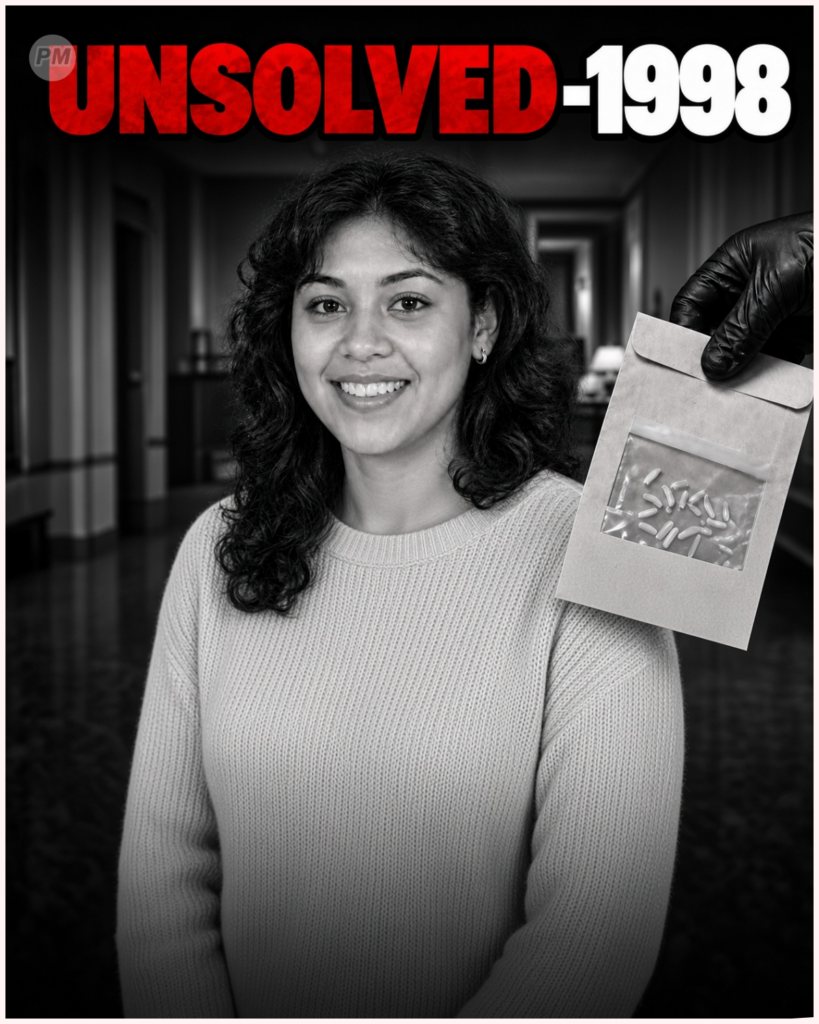
In 2001, in 2005, Jackie Sodto’s file was in that stack. And when investigators checked the evidence inventory, they found that the fingernail clippings from her 1998 autopsy were still there, preserved, sealed, waiting.
The cold case task force pulled the original evidence from Jackie Sodto’s 1998 murder. They reviewed the decades old crime scene reports, [music] the autopsy photographs, the witness statements, and the forensic material catalog.
And there, still sealed in their original packaging after 27 years in evidence storage, were the fingernail clippings collected during Jackie’s autopsy.
The clippings were submitted to the Indiana State Police Forensic Services Division for modern DNA analysis.
The lab work that followed was methodical and precise. [music] Analysts applied contemporary extraction techniques to the preserved material, working to separate and identify any genetic profiles present in the samples.
What came back changed everything. The lab recovered two distinct DNA profiles from the fingernail clippings.
One profile was a clear match to Jaclyn Sodto herself, which was expected since the clippings came from her own body.
The second profile belonged to an unknown male. This was the critical finding. Someone else’s DNA was present under Jackie’s fingernails at the time of her death.
And based on the location and nature of the material, the most likely explanation was physical contact during a struggle.
Defensive scratching. Jackie fighting back against the person who was killing her. In 1998, that unknown male profile would have been a dead end.
There was no way to identify who it belonged to without a specific suspect already in custody providing a comparison sample, a nameless genetic signature sitting in a database of nothing.
But in 2025, there was COTUS. The unknown male profile was uploaded into the national database, and the timing of what happened next was almost too perfect.
The database returned a hit. The unknown male DNA beneath Jackie Sodto’s fingernails matched a convicted offender who was already in the system.
His name was Alfred Kevin Sanders. The same Alfred Kevin Sanders who had been in Gary police files since December 1998.
The same man Jackie’s friend had described as someone she feared. The same man known around the neighborhood as Sunday school.
The man who had been a suspect from the very beginning. Pay attention to that detail because it explains everything about how cold case DNA breakthroughs actually work.
The profile hit on Sanders because at some point between 1998 and 2025, he had been convicted of a crime that required him to submit a DNA sample to the state of Indiana.
That sample was uploaded to COTUS as part of the convicted offender index. The specific prior conviction that placed Sanders in the database has not been made publicly available.
But whatever it was, it created the link that connected his genetic profile to the evidence sitting in Jackie Sodto’s cold case file.
27 years. The answer had been sealed in an evidence bag the entire time. The science just had to catch up.
But a Cotus hit alone doesn’t close a case. It opens one. A database match is a lead, not a conviction.
The task force needed to confirm the match with fresh court admissible biological evidence collected directly from Sanders under legal authority.