She was locked in a freezing prison cell, denied m…
She was locked in a freezing prison cell, denied medical care, and barely fed. For over two years, she remained under surveillance.
Even though she was eventually released in 1947, she had no home to return to.
Königsberg had been taken over by the Soviets and renamed Kaliningrad. In many Soviet-occupied towns and villages, other women linked to the Nazi leadership faced public violence.
Wives, secretaries, and even female relatives of SS officers were pulled from homes and paraded through the streets.
Civilians, many of whom had lost everything in the war, took part in these acts.
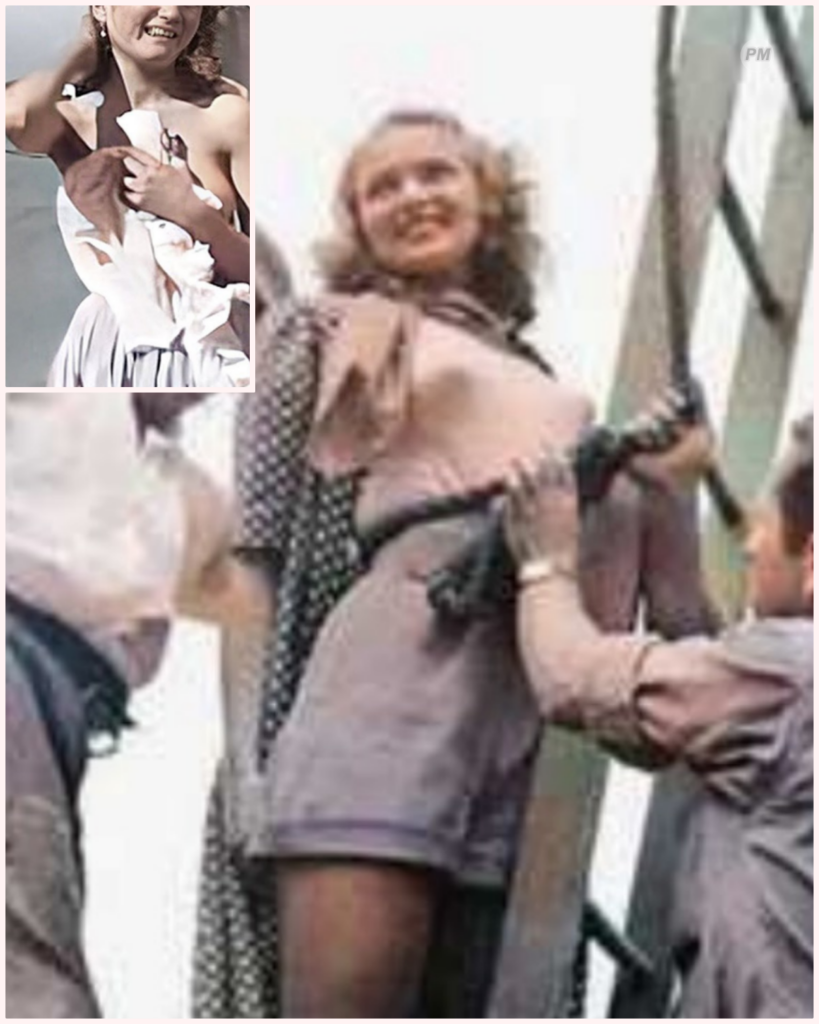
Some women were stripped, their hair shaved off in front of crowds. Others were punched, kicked, and spit on before being handed over to Soviet guards.
These acts were not part of official military orders, but they were allowed to happen in many areas.
There was no sympathy for these women. The Soviet system didn’t treat them like prisoners of war.
They were seen as enemies, sometimes even more hated than the men who had already died.
In the chaos of post-war Europe, their rights were ignored. Many were never officially listed in records.
During the Nuremberg Trials, Inside the courtroom, the world saw images of concentration camps, heard about mass killings, and listened to hours of witness testimony.
But just outside the courtroom, in nearby guarded buildings, their wives lived through a different kind of judgment.
Hermann Göring’s wife Emmy was staying in a secure house not far from the trial site.
She was kept under constant watch by American military guards. Emmy repeatedly asked to visit her husband, but she was never allowed inside the prison.
At times, she walked near the courthouse, trying to get close, wearing dark clothing and large sunglasses to avoid being recognized by reporters and civilians.
She wrote several letters to Göring, but most were either censored or never delivered. When Göring was sentenced to death on October 1, 1946, Emmy was not informed directly.
She only learned the news after he took cyanide in his cell the night before his scheduled execution on October 15.
Heinrich Himmler’s wife Margarete was detained nearby and questioned several times during the trials. Though her husband had already committed suicide in May 1945, the Allies still considered her an important witness.
She stayed in a military holding facility under American control in the Nuremberg region. Even as evidence of SS crimes was presented in court, she maintained that her husband had been a good man.
In written statements, she said she had no knowledge of concentration camps or executions. Investigators found this hard to believe, given her close ties to SS families and the benefits she received during the war.
After months of surveillance, she was released in early 1946, but threats from German civilians and anti-Nazi groups forced her to change her name and move away from public life.
She avoided interviews and rarely spoke in public again. Neighbors rarely saw her outside. She never admitted to knowing about her husband’s crimes, and no public statements were ever made in her name.
She died in 1967, with no obituary and no official recognition. Margarete Speer had a slightly different experience.
Her husband was one of the only defendants at the trial who admitted partial guilt.
He accepted moral responsibility for using forced labor in arms factories. After he was sentenced to 20 years in Spandau Prison, Margarete was allowed to meet him briefly in a secure visitor area.
The meeting was short and formal. She was not allowed to bring her children or speak about politics.
Once the sentence was confirmed, she returned home, where she had to raise the children alone while managing the constant stigma of being married to one of Hitler’s closest advisers.
Her movements were monitored by German authorities for several years after the trial, and she lived with limited means.


