At 9:14 on a cloudy Friday morning, Maya Caldwell…
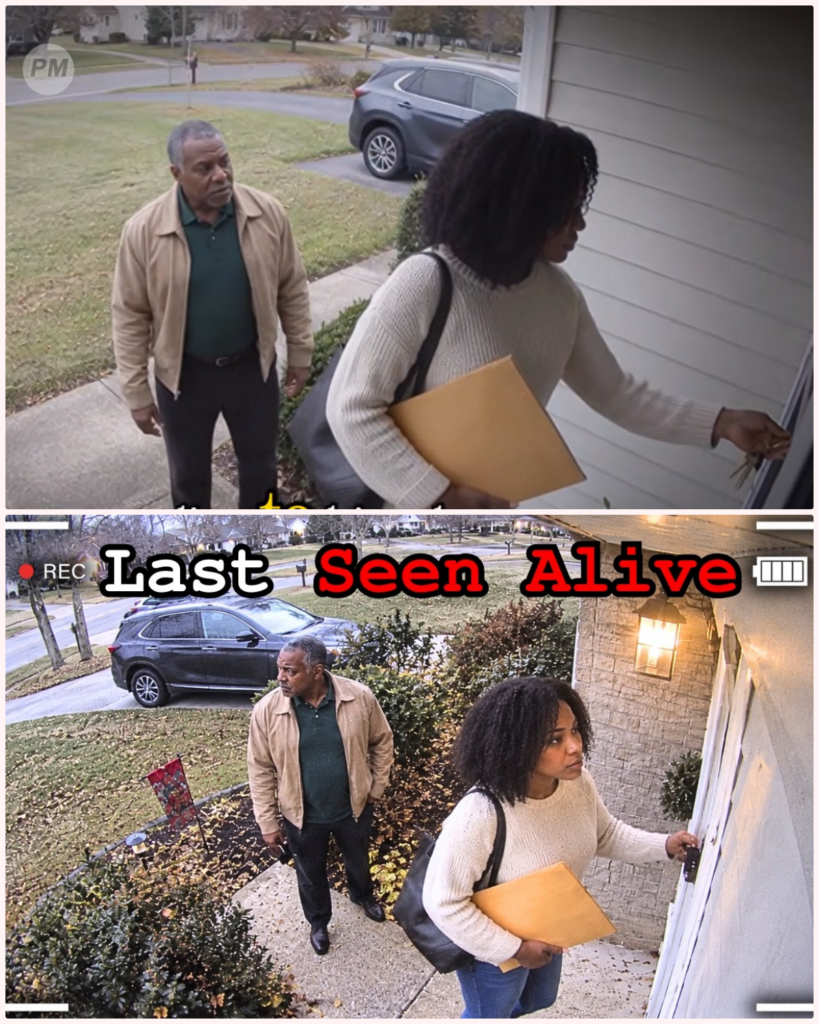
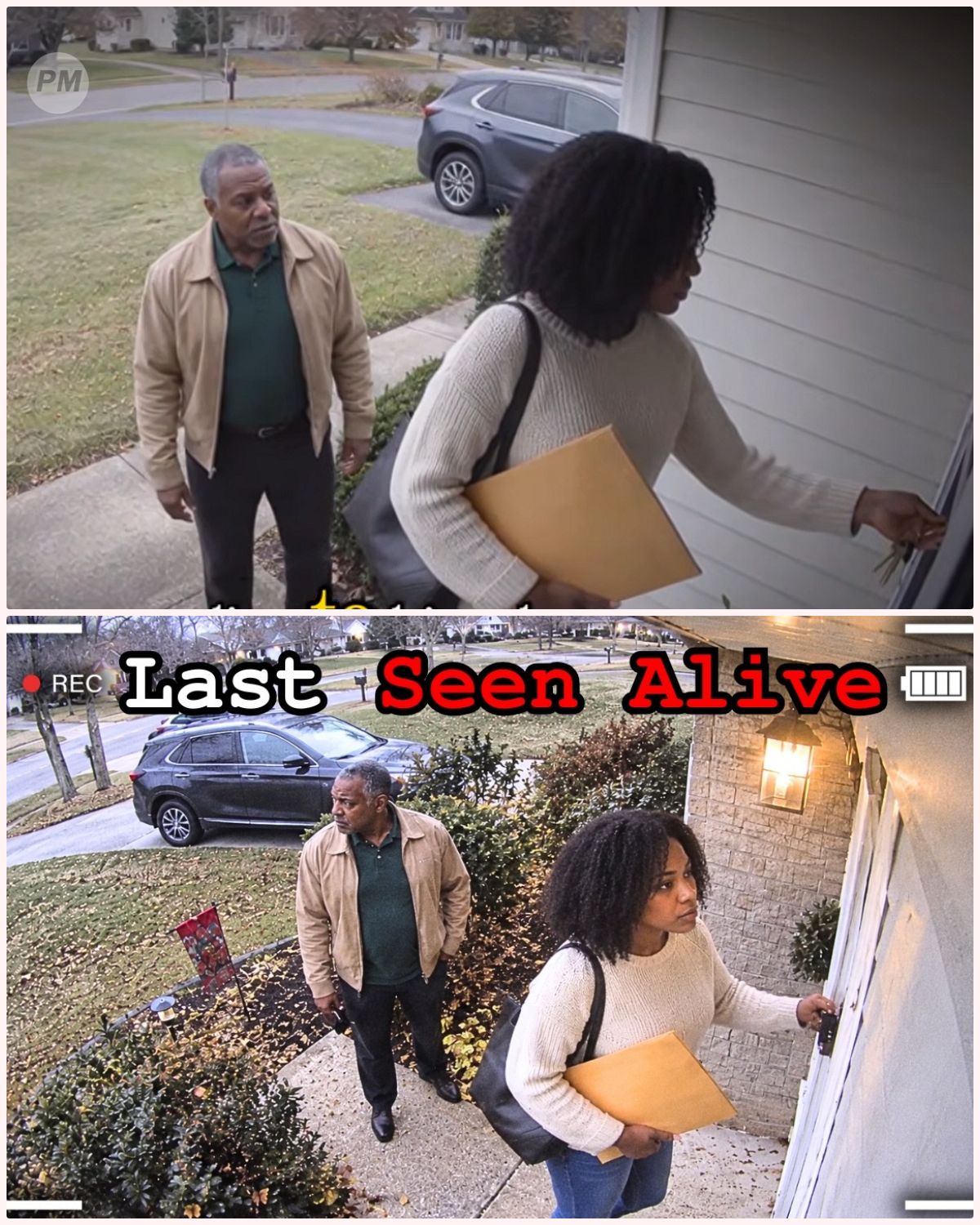
At 9:14 on a cloudy Friday morning, Maya Caldwell walked toward a pale house in Pinelanding, Virginia, carrying an envelope of bank documents.
Her stepfather, Adrien, followed close behind. The eve-mounted camera showed Mia lift the keys. Adrien looked at the envelope, then over his shoulder toward the street.
They entered together. At 12:06, Adrien left alone. He told police Mia had driven away before 10 after signing a form that closed their joint account.
According to him, she was angry but alive when he remained behind to meet a repair man.
There was no repair man. There was, however, a home inspector Maya had booked for 10:30.
The inspector arrived, entered through the side door, and spoke to Maya inside the house.
His tablet recorded her signature, voice, and exact room measurements. Adrien never mentioned him. By the time police found Maya murdered in the crawl space, the inspection file had already destroyed the timeline he created.
And one photograph taken for a routine moisture report showed Adrien standing in the hall after the time he claimed Maya was gone.
Maya Caldwell was 30 and worked as a procurement specialist for a marine engineering company in Norfolk.
Her mother Denise married Adrien when Mia was 14. For years, Adrienne seemed dependable. He attended graduations, repaired Maya’s first car, and helped Denise manage a small rental property inherited from her parents.
When Denise died unexpectedly from a brain aneurysm, Adrienne remained close to Maya. They shared responsibility for the rental house and opened a joint account to collect rent, pay taxes, and fund repairs.
The arrangement began with trust rather than a formal partnership. Mia reviewed statements every few months.
Adrien handled contractors and deposited tenant payments. 3 years later, the tenants moved out and Maya decided to sell.
That decision exposed withdrawals she had never approved. The account should have held nearly $86,000 after expenses.
It contained less than $12,000. Transfers went to a landscaping company that no longer existed.
A personal credit card and an online investment platform in Adrienne’s name. Several checks carried Mia’s signature on days she was traveling for work.
Adrien said Denise had authorized him to reimburse old renovation costs. Maya asked for invoices.
He produced handwritten receipts without addresses or license numbers. Maya did not accuse him of theft immediately.
She proposed closing the joint account, dividing documented expenses, and allowing the sale attorney to hold the remaining money.
Adrien resisted. He said closing it would delay repairs and frighten buyers. Maya scheduled a pre-sale inspection for Friday morning and asked Adrien to meet her at the vacant house.
She also made a bank appointment for 1:30 that afternoon. The envelope in the security footage contained the closure form.
Both account owners had to sign because Adrienne added a withdrawal restriction 6 months earlier.
Maya believed the meeting would last 2 hours. She texted her coworker Jallen at 8:48.
Inspection bank, then I am done mixing family and money. At 9:14, she and Adrien entered the property.
The home security system belonged to Maya. It logged the front door, side entrance, motion zones, and camera status.
Adrienne knew the code from managing tenants. At 9:22, the kitchen camera went offline. At 9:31, Adrien called the bank and asked whether a joint owner could remove another owner using a notorized letter.
The representative said no. At 9:44, Maya photographed four checks laid across the dining table.
She sent one image to the sale attorney, Gloria Chen. The signatures appeared similar to hers, but lacked a small upward stroke she used at the end of her surname.
At 10:02, the home’s hallway motion sensor recorded rapid movement between the dining room and rear bedroom.
At 10:08, Maya called Jallen. She said Adrienne admitted moving some money but insisted it belonged to him.


