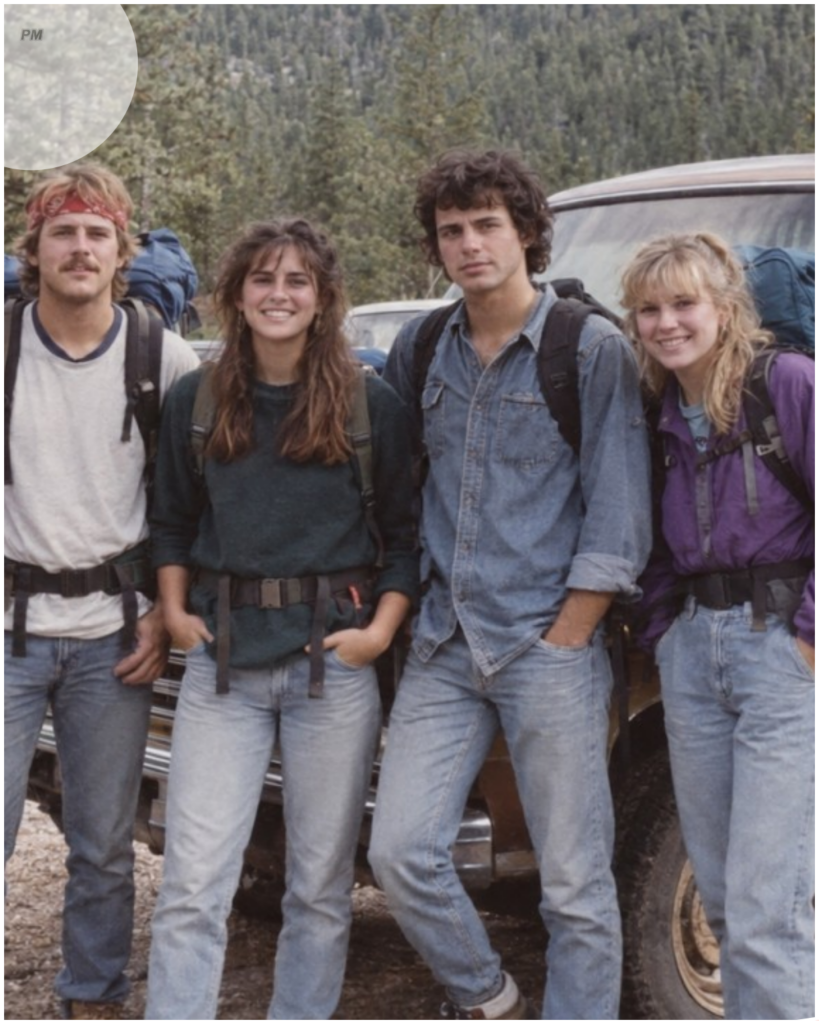
They believed the trail he took would lead him tow…
They believed the trail he took would lead him toward the vehicles, so they expected to catch up with him there.
That assumption explained why they had waited before raising the alarm. They told police that Daniel was upset but capable of finding his way out and that nothing about his behavior suggested he intended to disappear.
Peter accompanied the first search team to a junction beside a creek and showed them where Daniel had supposedly left the group.
He identified the path Daniel had taken and described what he had been carrying. With six witnesses agreeing on the location, searchers had little reason to begin anywhere else.
Teams followed the creek and worked across the slopes below it, checking places where someone might have fallen or stopped to rest.
Rain arrived during the first night, making the ground slippery and complicating efforts to identify tracks.
Volunteers returned the next morning and continued through wet brush, calling Daniel’s name and listening for a response.
They found old campsites and litter left by other visitors, but nothing that belonged to him.
As the search area widened, the absence of his equipment became another concern. Even if Daniel had been badly injured, rescuers hoped they might locate his pack or some sign that he had tried to shelter.
Clare arrived while the search was still expanding. She had left work as soon as she received the call and brought very little with her because she expected to take her brother home.
Seeing his friends at the search base reassured her at first. They looked exhausted and several had scratches on their arms from the vegetation.
They answered questions and helped carry supplies. Peter stayed near her while someone explained where the teams were working, and she remembers feeling grateful that Daniel had been with people who would not give up on him.
She asked each of them about the argument. Their answers differed in small ways, but all described Daniel becoming frustrated and deciding to leave.
Clare knew her brother could be stubborn, especially when he was tired, so the account sounded possible.
She wondered whether something embarrassing had happened before the disagreement, something the others were reluctant to repeat.
When she pressed them, however, they returned to the same explanation. Nobody thought he was in danger, and everyone expected to see him again near the vehicles.
Within a few days, Clare was explaining Daniel’s personality to strangers. She told searchers that he might storm off when angry, but that he would calm down and try to make sensible decisions.
She worried people would assume he had been reckless and stop looking as carefully. Much later, she would remember how quickly she had accepted the need to defend him.
The only evidence that Daniel had caused his own separation from the group came from the people who had returned without him.
You’re listening to UNK Files. In this story, the account that shaped the entire search came from six people who appeared to have every reason to help.
Clare knew them personally, and for years, she relied on what they told her. Her doubts began with something she noticed after they had all gone home.
When the organized search ended, Clare continued making calls and distributing photographs. She kept a notebook beside the telephone so she could record possible sightings without searching for paper.
Some callers sounded certain they had seen Daniel, and she learned to ask about clothing and distinguishing features before allowing herself to believe them.


