You got one detail wrong
You got one detail wrong. Whitmore didn’t train me to shoot people. He trained me to protect people.
Huge difference. Still protecting, still learning what that means without carrying faces that don’t belong to me anymore.
Thank you for keeping my name out of reports. Thank you for letting me be a person instead of a legend.
And thank you for holding Sentinel until I could do my job. You’re the reason those 97 survived as much as I am.
BC.” Ashford stared at the message, felt 15 years compressed into seconds. He typed back quickly.
“Where are you?” Three dots appeared, disappeared, appeared again. Then, probably a burner phone purchased for this one message and already destroyed.
He looked up at his class. Young faces full of eagerness and confidence. None of them understanding yet what it would cost to be truly good at this.
What it would cost to carry the weight. “Listen carefully,” Ashford said, and the room went quiet.
“You’re here to learn how to shoot. I can teach you that. Wind calls and drop compensation and range estimation.
But I can’t teach you the hard part. I can’t teach you how to live with taking another person’s life.
That’s something you figure out on your own. Or it breaks you.” He gestured at the photograph of Brin on the screen.
“She figured it out by turning guilt into purpose. By making every shot after her mistake count for something.
By protecting people instead of just eliminating targets. That’s the difference. Killers take lives. Protectors save them.
Sometimes that protection requires killing, but it’s never about the killing. It’s all for showing 97 people what it looks like when someone refuses to quit.
And I tell her that Colonel Whitmore was right. She earned her freedom. She earned the right to stop carrying weight.
But if she chooses to keep going anyway, if she chooses to keep standing watch, then I’m grateful someone like her exists in the world.
He paused. Because people like that are rare. People who walk through fire to protect strangers.
People who’ll take impossible shots while wounded. People who understand that courage isn’t the absence of fear.
It’s being terrified and doing the job anyway because someone has to. The class was silent.
Ashford let the moment breathe. Let them sit with the weight of what he was describing.
Class dismissed. Read the Sentinel after-action report before next session. Pay attention to what’s not said as much as what is said.
Sometimes the spaces between words tell the more important story. The students filed out. Morrison lingered.
Sir, if that happens, don’t ask their name. Don’t try to thank them. Just survive.
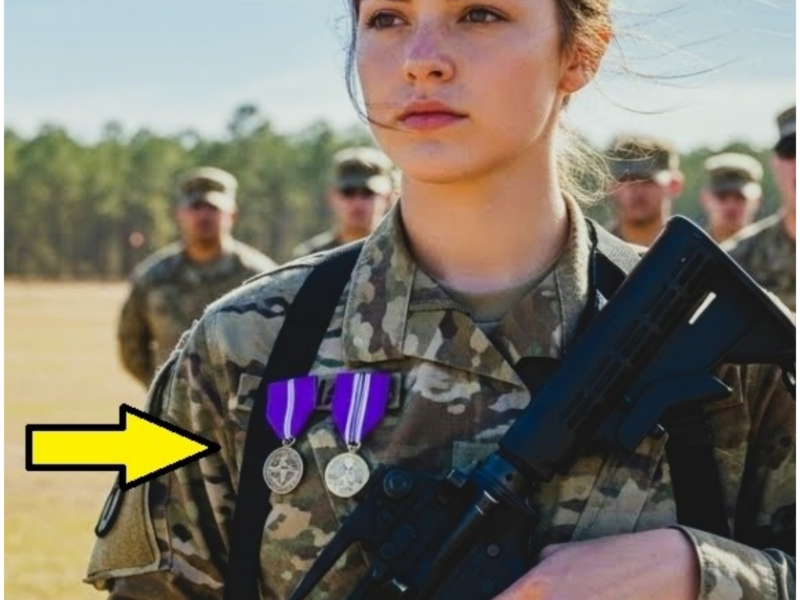
That’s what they want. That’s all they want. Morrison left. Ashford stood alone in the classroom looking at the photograph of Bryn Calloway.
15 years old now. Granny and distant, but still showing everything that mattered. Someone behind a rifle.
Someone in a kill zone. Someone standing watch so others didn’t have to. His phone buzzed again.
Different number. This time a voicemail. He played it. Colonel Whitmore’s voice. Recorded years ago.
Must have been programmed to send on the anniversary of his death. Garrett, if you’re hearing this, it means I’ve been gone 15 years.
Long enough for perspective. Long enough to understand what mattered. The students I trained were my legacy.
Not the missions, not the kills, not the wars. You. People I helped become better versions of yourselves.
That’s what teaching is. Passing something forward. Making sure the watch continues. Tell Brin I’m proud.
Tell her she was always free. Tell her being who she is was her choice.
Not my burden. And tell her when she’s ready to stop, when she’s finally ready to rest, that’s okay, too.
People who stand watch deserve peace. Love you, son. The message ended. Ashford saved it.
Wouldn’t delete it. Couldn’t delete it. It was Whitmore’s voice reaching across 15 years to remind him of lessons that never expired.
Somewhere in the world, Brin Calloway was standing watch. Somewhere that standing watch mattered. That sometimes one person with a rifle and absolute commitment could change everything.
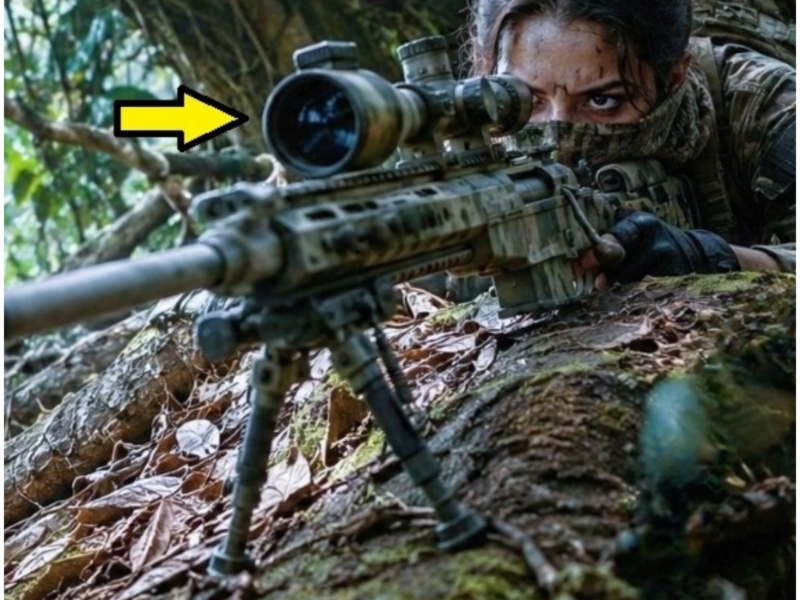
That night, in a different part of the world, in a place where conflict simmered and violence waited, a woman adjusted her scope.
Her shoulder carried a scar from 15 years ago. Her hands were steady despite age and injury.
Her eyes tracked movement with the precision that came from a decade and a half of practice.
83 people needed protecting. For And she’d realized something that Whitmore hadn’t understood when he gave that final order.
People like her didn’t stop because someone told them to. They stopped when there was no one left to protect.
When the world was safe. When the watch was over. The world wasn’t safe. The watch wasn’t over.
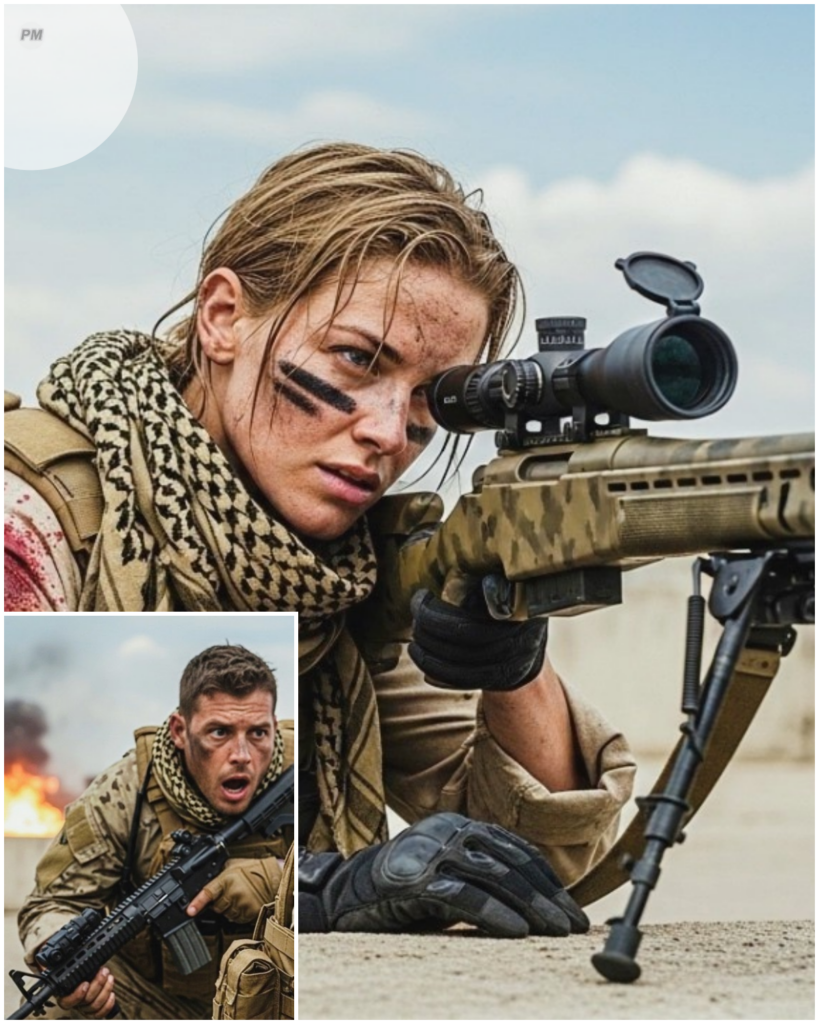
She fired. The bullet flew true. 1,150 m through mountain air. Through wind and heat, and all the variables that turn shooting into applied physics, it found its target.
Eliminated the kind of shooting that people would call impossible if they knew it had happened.
When it was done, when all four targets were eliminated, and the immediate threat was neutralized, Brin Calloway packed her rifle, gathered her equipment, prepared to disappear the way she always did.
Before recognition, before gratitude, before anyone could turn her into something she wasn’t. She was someone who’d learned a skill and used it where needed.
Someone Someone who stood watch, who protected, who served, who made the hard shots and carried the weight so others didn’t have to.
That was the legacy. That was what mattered. Not balance, not atonement, just purpose, service.
The eternal watch that some people kept because someone had to keep it. Because the world needed protecting.
Because love in its highest form meant standing between danger and those you loved, even if those you loved never knew your name.
She disappeared into the night. Ready for the next mission. Ready to stand watch again.
Ready to be exactly what Whitmore had trained her to be. Forever until the end.