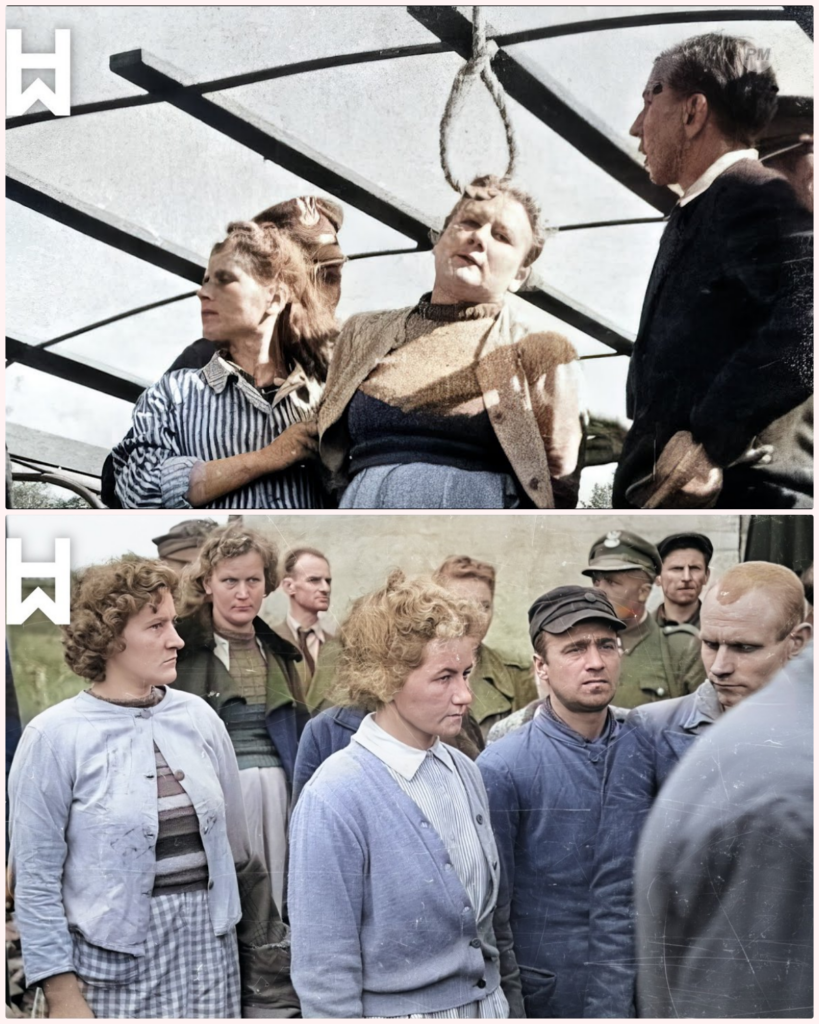
Police
Police. Finally, in January 1942, Stutthof became a regular concentration Camp under the jurisdiction of the SS.
In 1943, the camp was enlarged and a new camp Was constructed alongside the earlier one.
It contained 30 new barracks and was Surrounded by electrified barbed-wire fences. A crematorium and gas
Chamber were added in 1943, just in time to start mass executions when Stutthof was included in the “Final Solution” in June 1944.
The maximum capacity of the Gas chamber was 150 people per execution. Eventually, the Stutthof camp system became
A vast network of forced-labor camps. 105 Stutthof subcamps were established throughout Northern and central German-occupied Poland.
Tens of thousands of people, perhaps as many as 100,000, were deported to the Stutthof camp.
The prisoners were mainly non-Jewish Poles. Conditions in the camp were brutal. Many prisoners died in typhus epidemics that swept
The camp in the winter of 1942 and again in 1944. Those whom the SS guards judged too weak
Or sick to work were gassed in the gas chamber. Gassing with Zyklon B gas began in June
1944. 4,000 prisoners, including Jewish women and children, were killed in a gas Chamber before the evacuation of the camp.
Camp doctors also killed sick or injured Prisoners in the infirmary with lethal injections of phenol.
More than 60,000 people died In Stutthof concentration camp and its subcamps. Until 1942, nearly all of the prisoners
Were Polish. The number of inmates increased considerably in 1944, with Jews forming A significant proportion of the newcomers.
The first contingent of 2,500 Jewish prisoners Arrived from Auschwitz in July 1944. In total, 23,566 Jews including 21,817 women were
Transferred to Stutthof from Auschwitz. The camp staff consisted of SS guards And, after 1943, Ukrainian auxiliaries.


