At separate trials, the evidence divided responsib…
At separate trials, the evidence divided responsibility clearly. Bell was convicted of second-degree murder in Mary Ann’s death, unlawful human experimentation, and conspiracy.
Fisk was convicted of conspiracy, obstruction, fraud, and evidence destruction. Dean was convicted of first-degree murder, kidnapping, and evidence tampering in Valerie’s death, along with conspiracy in the attempt to conceal Mary Ann.
St. Alden Medical Center closed 8 months later. Patients were transferred. The emergency department sign was removed, and the building stood empty while civil cases moved through court.
Paige Holt used part of the settlement to establish a patient advocacy fund. Tessa asked that Valerie’s name be attached to training on protected reporting and medical record preservation.
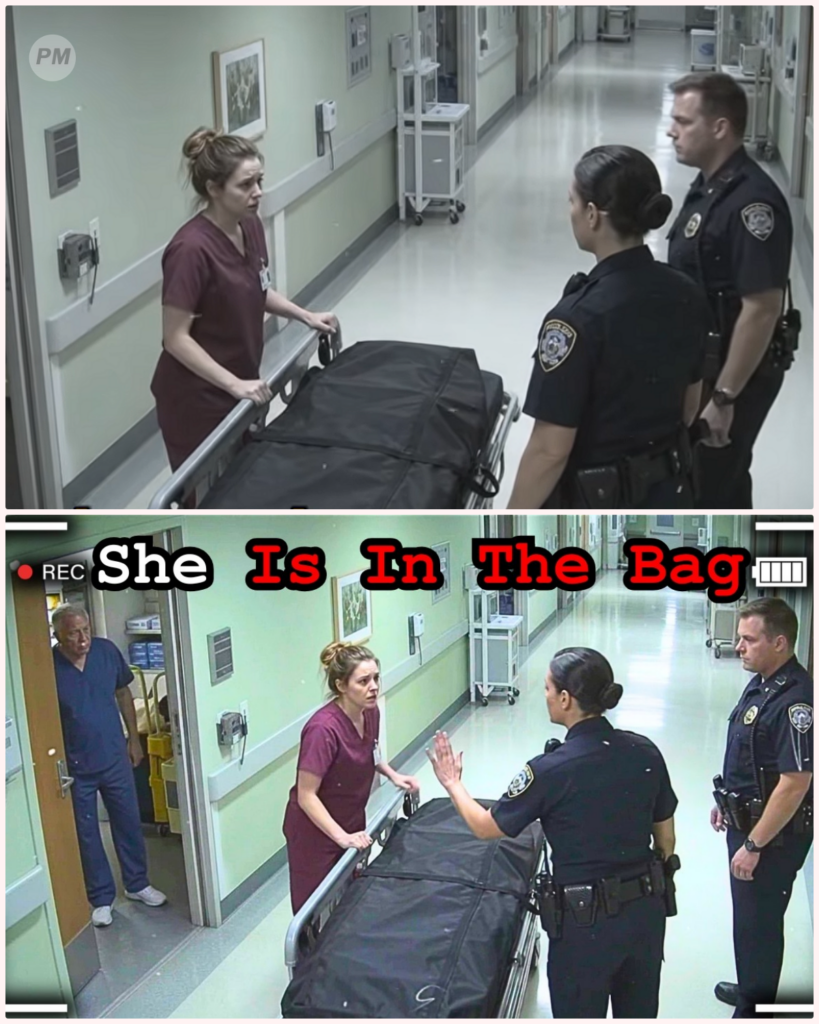
The hallway video remained the image most people remembered. A frightened nurse pushing a sealed bag, two officers arriving for an unrelated reason, a senior employee waiting in a doorway to see whether she would obey.
Valerie had participated in moving Mary Ann, and she never excused that decision. What she did next mattered.
She preserved the chart, spoke to police, and refused to accept a discharge entry as a substitute for a dead patient.
Her copy survived because she understood that a system capable of changing a life into a gray line on a screen could also erase the record of who changed it.
The hospital marked Mary Ann discharged. It marked Valerie a privacy risk. The paper beneath a locker liner recorded what both women had become to the people protecting the scheme.
Problems to be removed. And when that paper reached a jury, it also recorded the one thing those people had failed to remove.
The order in which the truth happened. That order became crucial because every defendant tried to move responsibility backward or forward in time.
Bell said he believed Mary Ann had already consented. Fisk said he altered nothing until after she was dead.
Dean said the transport decision belonged entirely to Fisk. Valerie’s printout fixed all three men inside the same sequence.
Bell arrived without an order. Dean brought him into the room. Valerie objected. And Fisk erased her objection before the fatal collapse.
The state also recovered a draft incident report from an automatic backup that St. Alden’s administrators did not know existed.
The hospital’s insurer required workstations to save temporary versions for 24 hours. In that draft, Fisk wrote that an outside consultant had been present during an adverse medication event.
He deleted the sentence 11 minutes later. It’s timestamp aligned with Valerie’s second missing note.
Page testified about the final conversation with her mother. Mary Ann sounded tired but coherent.
She complained about a man who kept asking whether [clears throat] she felt warm in the chest after receiving tablets she did not recognize.
The call ended when someone entered the room. Phone records placed it 18 minutes before Valerie found her unconscious.
For jurors, the conspiracy was no longer an abstract story about corrupted data. It was a chain of small permissions.
A retired badge remained active. A medication cabinet accepted an override. A nurse’s note vanished.
A patient changed from admitted to discharged. A transport bag traveled toward an elevator without a tag.
Each step depended on the previous one appearing routine. Valerie disrupted that routine three times.
She refused the syringe. She answered the officers in a way that made them look at the patient board.
Then, she printed the chart. Prosecutors believe Dean followed her because Fisk discovered the print command in the system audit.
He knew a copy existed, but he did not know that Valerie had hidden it before leaving the building.

