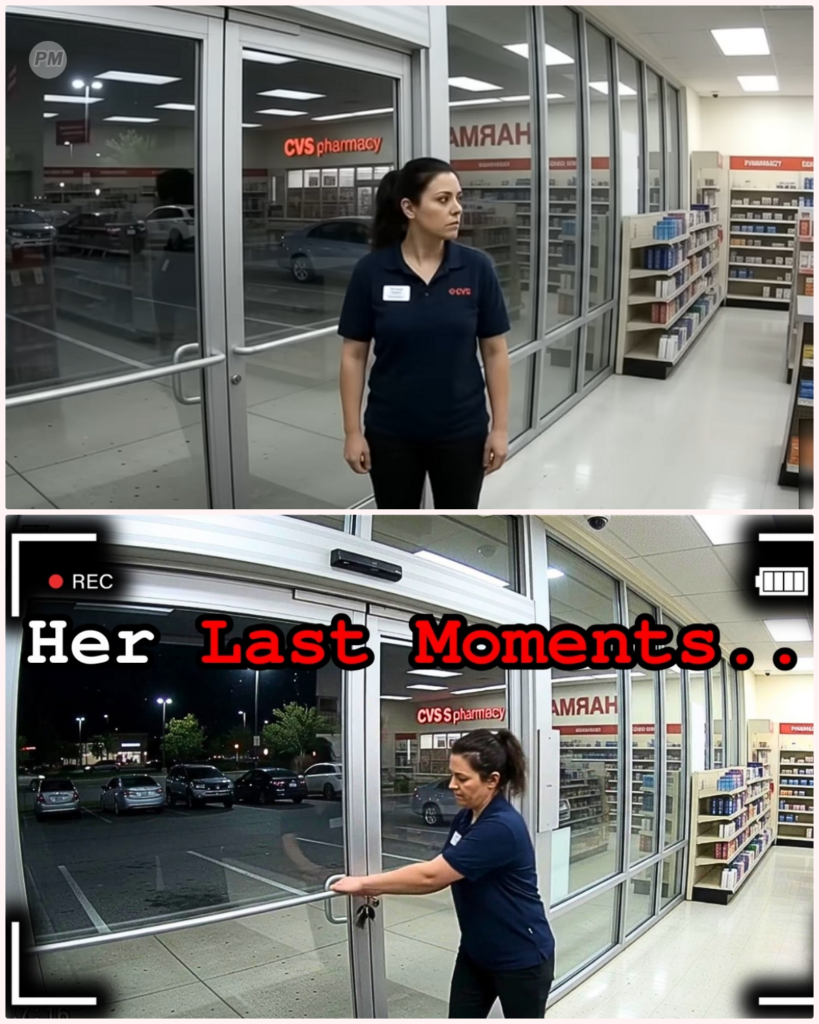
>> Pay attention to this
>> Pay attention to this. In 11 minutes, you’re going to watch a woman lock a door correctly.
Every step by the book. Every procedure followed. And it will not save her. This is not a story about a mistake.
There is no moment where you’ll want to scream at the screen, she did. She did everything.
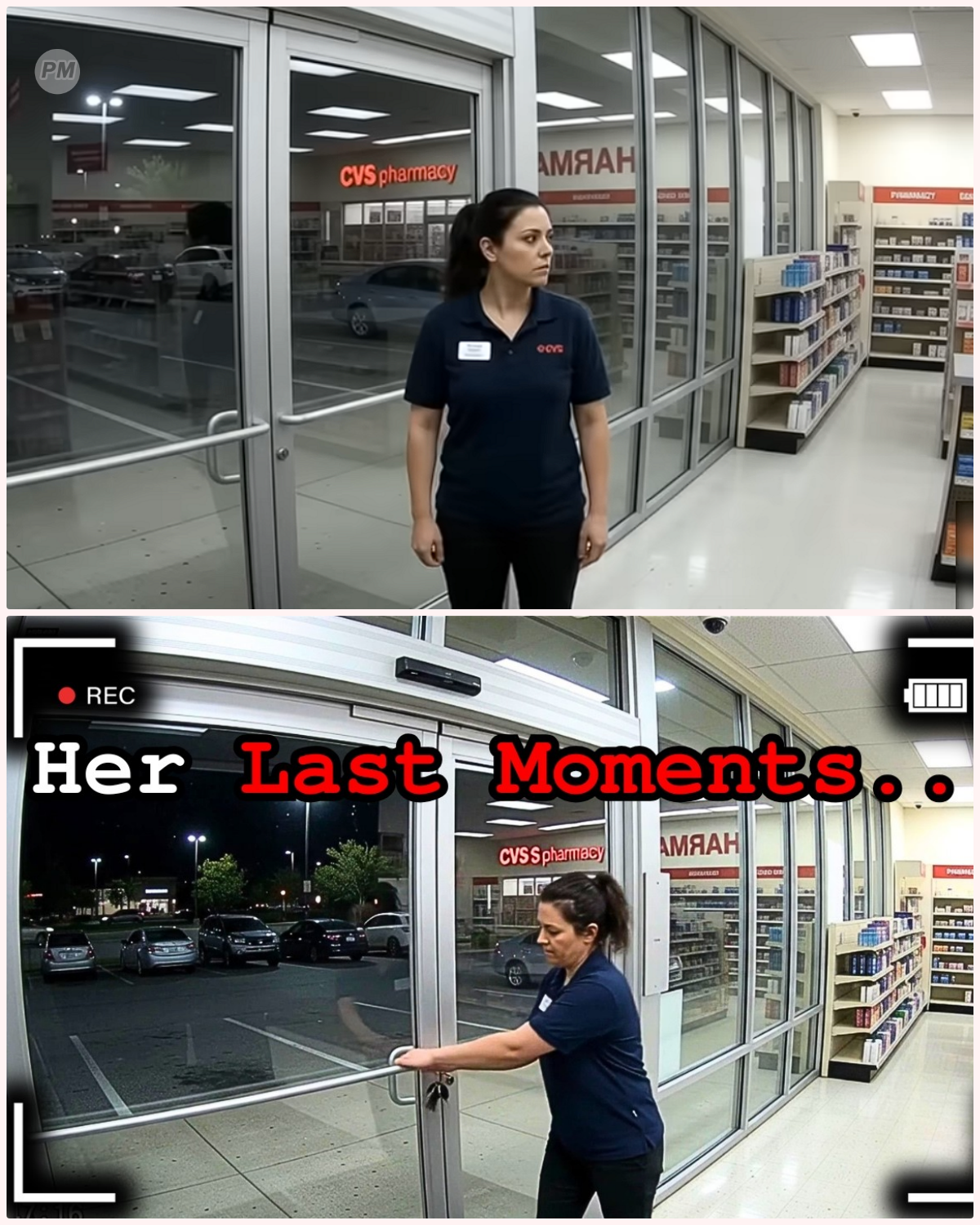
She checked the locks twice. She activated the alarm. She looked over her shoulder in the parking lot because some instinct in her, some old animal wiring, already knew something was wrong.
The problem wasn’t what she did that night. The problem started 3 weeks earlier in a 30-second gap she never even noticed.
We’re going to go back to that gap, and then we’re going to go forward to the last known footage of Sarah Martinez, and we’re going to sit with it frame by frame because that’s the only way to understand how a woman who followed every rule still lost.
Keep watching. The twist in this one isn’t who he was. It’s when it actually happened.
Denver, Colorado. Population just over 700,000. And in a city that size, a CVS pharmacy on a midsize retail corridor is about as anonymous as a building can be.
Glass storefront. Fluorescent lighting bright enough to read prescription labels at midnight. A parking lot shared with a nail salon and a sandwich shop, both closed by 9:00.
Sarah Martinez had worked there for 6 years. 34 years old, licensed pharmacist. The kind of employee a store manager writes into the schedule without a second thought because she never called in sick, never no-showed, never made the closing shift into a problem.
Closing shift meant something specific at this location. The pharmacy counter shut its window at 10:00.
The front doors locked at 10:15. Sarah did a walk-through of the aisles, checked the back stock room, set the alarm, and left through the front entrance, the only door with functioning exterior lighting.
She’d done this same sequence in the same order more nights than she could count.
Colleagues who worked with her described a woman who took the job seriously in a way that went beyond simple competence.
She’d transferred to this location 4 years earlier after finishing her residency, drawn by a schedule that let her pick up extra closing shifts.
Better pay, quieter store, and, she told a coworker once, she didn’t mind the late hours.
She liked the quiet after 9:00. Liked being the one who made sure everything was locked up right before she went home to an apartment 11 minutes away where a cat waited for her on the same schedule every single night.
None of this would matter to the story except for one thing: predictability. A person who values routine, who prides herself on doing the closing checklist exactly the same way every time is, without ever intending to be, the easiest kind of person to study.
Not because she was careless, because she was consistent. And consistency, to someone watching for a long enough stretch of time, is data.
Store management had no reason to think about this. Retail security at a location like this one is built around a fairly narrow set of assumptions.
Deter shoplifting, document any physical break-in, keep a record in case of an armed robbery.
Nobody designs a pharmacy’s camera coverage around the possibility that a customer might spend 3 weeks quietly learning an employee’s habits without ever doing anything that would show up on a loss prevention report.
There was no protocol for that because there rarely is anywhere for anyone. Here is what she didn’t know.
Here is the detail that turns this from a story about a robbery gone wrong into something colder, something with a shape to it.
3 weeks before the night that ended everything, a man had been coming into the store almost every evening.
Not every single day, that would have been noticeable even to a staff mostly focused on register counts and end-of-shift paperwork.
He was smarter than that. Two, sometimes three evenings a week. Always around 9:40, 20 minutes before closing.
Always bought something small, a bottle of water, a pack of gum, once a greeting card he never seemed to actually read.
His name, according to store surveillance logged later by investigators, was Marcus Webb. 41 years old, no criminal record that would have raised a flag if anyone had thought to look.
Nothing about him screamed danger. That’s not a failure of the story, that’s the actual documented pattern in cases like this one.
The men who do this rarely look like anything. What Marcus was doing during those brief visits wasn’t shopping.
It was reconnaissance, though he likely wouldn’t have used that word even in his own head.
He was learning the store’s rhythm. Which employee closed on which nights, where the security cameras were mounted, and more importantly, where they weren’t.


