It was a gesture of respect
It was a gesture of respect. Sherman had spent more than a decade fighting for this answer and he deserved to hear it first.
Sherman called the result fantastic. He made a public statement that day and his words were steady and certain.
This is now full justice for my aunt Mary Sullivan. Albert Dalvo is our guy.
That sentence carried enormous weight. For years, [music] Sherman had publicly argued the opposite. He had written a book declaring Dalvo innocent.
He had gone on television, given interviews, built a public case against the confession. Now the DNA was telling him he had been [music] wrong, and he accepted it without hedging, without qualifying, without trying to protect his earlier position.
He said he only goes where the evidence leads. That takes a particular kind of honesty.
And then he did something that mattered more than any press conference. He called his mother.
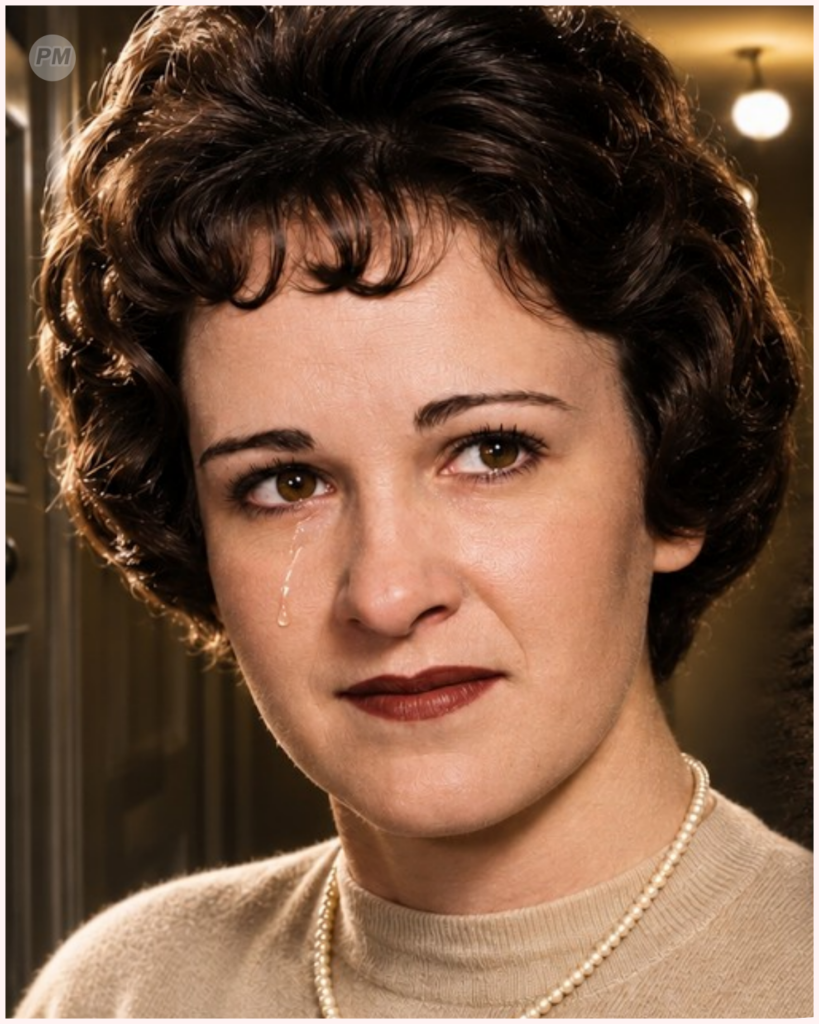
Diane Dodd had been waiting for this call for 49 years. She was the 17-year-old girl who lost her best friend and her little sister on the same January day in 1964.
She was the woman who carried the doubt through decades of silence. Through a confession she never trusted, through a cold case that nobody seemed willing to reopen.
She was the mother who told her teenage son Casey, “I don’t know if they ever did.”
When Casey told her the DNA results, she listened and then she said five words.
Mary can rest now. Five words. 49 years of doubt. The weight of that sentence is impossible to overstate.
Diane had outlived her sister by half a century, carrying the uncertainty every single day.
And in that moment, on a phone call with her son on a Friday morning in July, she set it down.
Sherman accepted the 2013 results publicly. He said he only goes where the evidence leads.
But he also noted that the DNA proved only Mary’s case. He still had concerns about the other killings.
Whether Dalvo committed all 13 murders or just some of them or was somehow fed information about crimes committed by others, those questions remained open.
The DNA answered one question definitively. It left the rest exactly where they had been for 50 years.
In an interesting koda to this story, Sherman went on to host an Oxygen television special in 2025 that played portions of Dalvo’s confession tapes publicly for the first time.
The recordings had sat in archives for 60 years, [music] heard only by investigators, attorneys, and a handful of researchers.
During interviews for the program, Sherman told reporters that he had grown skeptical again about how the DNA evidence had been presented and interpreted.
He questioned the narrative that had been built around the 2013 findings. No new testing has overturned the 2013 results, and no new evidence has emerged to contradict the 1 in 220 billion match.
But the doubt that defined Casey Sherman’s life has in some form returned. He is still wrestling with the same question his mother posed in their kitchen decades ago.
Maybe that question is simply part of who he is. Maybe some people are built to keep asking even after the answer arrives.
And maybe that is not a weakness. It is the same impulse that drove him to reopen the case in the first place.
The Sullivan family story is a reminder that closure is not always a single moment.
Sometimes it comes in waves. Sometimes the wave comes in and then it pulls back and then it comes in again.
Diane got her moment on that phone call. Casey got his at the press conference and then the doubt crept back because doubt is patient and it knows where you live.
For Mary Sullivan, though, the question is answered. The man who sat in that hospital room in 1965 and described killing her was in fact the man who did it.
His confession, flawed and contested and legally useless as it was, turned out to be true.
At least for Mary. It just took 49 years. A police sergeant waiting by a trash can, a crime lab director who refused to let a piece of evidence disappear, and a coffin pulled from the frozen Massachusetts ground to prove it.
Casey Sherman was a teenager when his mother told him those words in their kitchen.
I don’t know if they ever did. He built his entire adult life around answering that question.
He investigated, he wrote, he sued, he went on television, he argued publicly that Dalvo was innocent.
And when the science finally came back and told him he had been wrong, he accepted it because the evidence mattered more than being right.
And his mother, Diane, the girl who lost her sister in 1964, finally heard the one thing she had been waiting to hear since she was 17 years old.
That someone had been held accountable, that the answer was real, that Mary could rest.
That is what cold case redemption looks like. Not a dramatic courtroom scene, not a detective slamming a file on a table, not a confession under hot lights or a perw walk in front of cameras.
It was quieter than that and more human. A crime lab director who guarded a sample for 40 years because he believed in science.
A police sergeant who waited beside a trash can for a water bottle. A district attorney who called a family before he called the press.
A nephew who spent his adult life chasing an answer and then accepted it when it contradicted everything he had believed.
And a phone call on a summer morning. A mother’s voice, five quiet words. Every case on this channel was supposed to stay buried.
A case file in a box. A name people stopped saying. A family that stopped being asked.
If you want to see more of them solved, subscribe [music] to Cold Case Redemption.
And if this story stayed with you, leave a like so it reaches someone else who needs to hear it.


