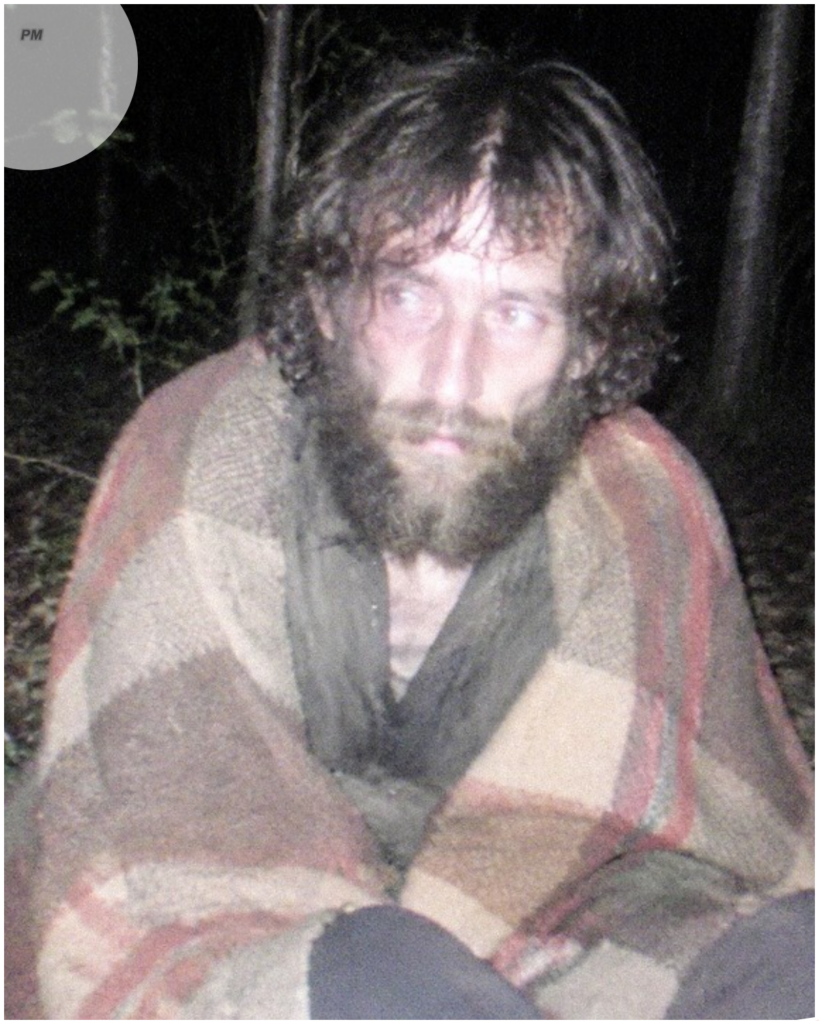
When a logging crew found Michael Voss beside a re…
When a logging crew found Michael Voss beside a remote Idaho road, he had been missing for 19 days.
He was severely dehydrated, had lost a visible amount of weight, and could barely lift himself into the passenger seat of their truck.
His rifle was gone along with his pack and most of his equipment. He told the men he had left everything at his camp and walked through the previous night to reach the road.
When they asked where the camp was, he became agitated and refused to explain. He would describe what he had eaten and how he had injured his feet, but every question about going back produced the same response.
He would not take anyone there, and he wanted them to leave his belongings where they were.
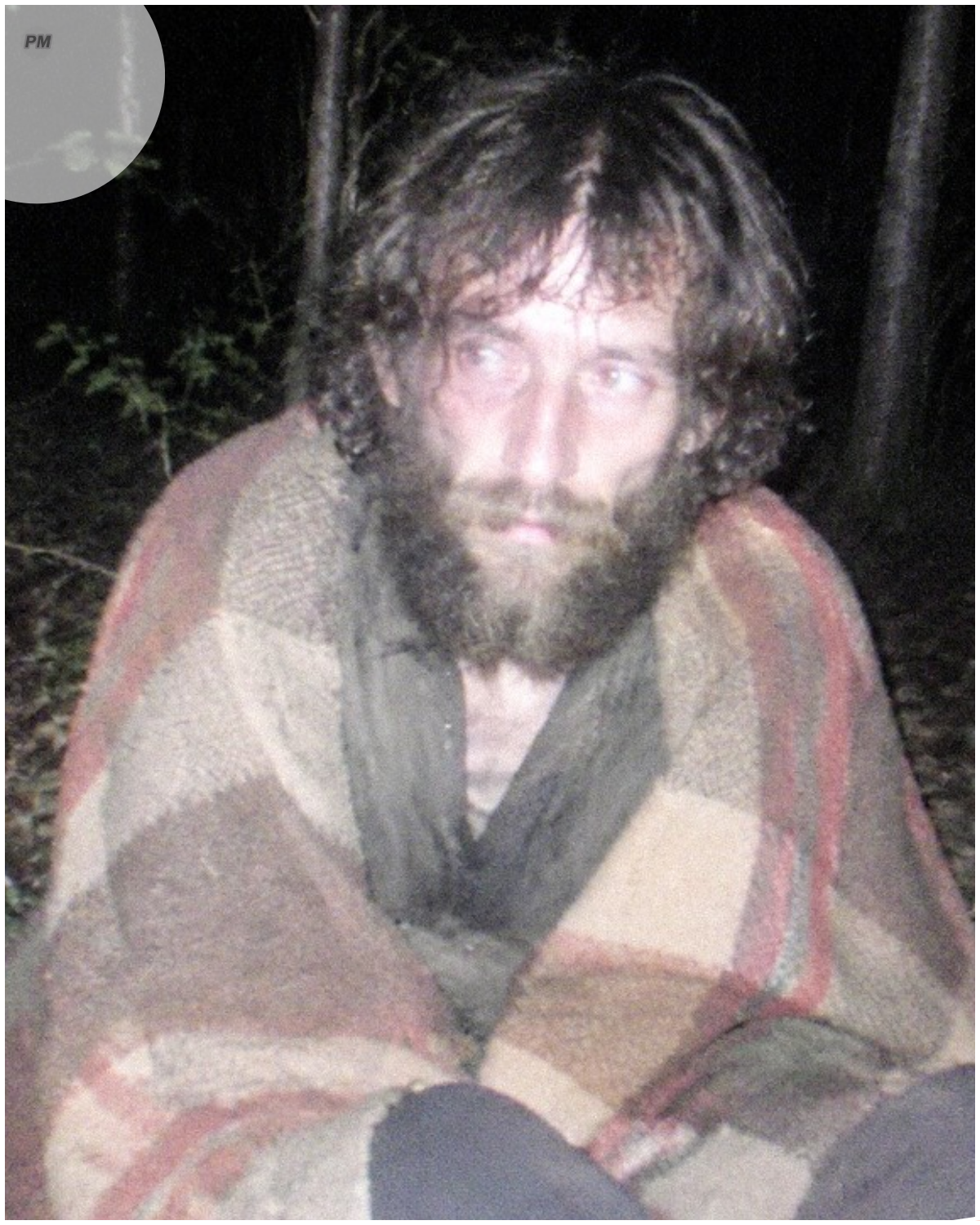
Michael was 38 when he disappeared in October of 1996. He worked in a commercial garage outside Boise and had hunted since his teens.
Friends described him as methodical about equipment and impatient with people who depended on others to prepare for them.
Before this trip, he serviced his truck, replaced a damaged buckle on his pack, and left a written itinerary with his older sister, Karen.
He planned to spend 6 days in a drainage he had visited once before. His route began on an old logging road and continued on foot beyond a barrier where vehicle access ended.
He marked the general hunting area on a photocopied map and gave Karen the date he expected to return.
He traveled alone because the friend who normally accompanied him could not get time away from work.
Karen disliked that decision, but had no specific reason to believe he was unprepared. Michael carried a tent, cold weather sleeping equipment, and enough food for a week.
He also had a compass and rifle with two boxes of ammunition. When he failed to return, she waited until the following morning before calling the county, knowing that weather or trouble with his truck could have delayed him.
A deputy found the vehicle at the access barrier. It was locked and nothing inside suggested Michael had returned to it after beginning the trip.
Searchers followed the route on his map and checked likely camping places along the main drainage.
The area contained abandoned logging tracks that sometimes resembled maintained paths until they disappeared into brush.
Several smaller gullies joined the creek and dense timber concealed much of the ground from above.
Search teams found evidence of older camps, but nothing they could connect to Michael. Rain during the first part of the search complicated efforts to follow tracks.
Karen provided details about his tent and clothing, then answered questions about whether he might have changed his route.
She knew he sometimes moved camp when hunting conditions were poor, but he had not marked an alternate location.
By the second week, the organized search had become smaller. Crews continued checking routes and responding to reports, but there was no confirmed sighting beyond the locked truck.
Michael was eventually found several drainages away >> [music] >> on a working logging road outside the area where most teams had concentrated.
A truck driver saw him sitting near a ditch shortly after daybreak and initially thought he was a worker who had become ill.
Michael wore a torn jacket over several layers of clothing and one boot was loosely tied around a swollen foot.
When the driver approached, Michael asked how many people were working farther down the road.
The crew contacted emergency services and kept him warm while waiting for help. He could identify himself and understood how long he’d been missing once someone told him the date.
He said he had spent most of the time in his own camp, leaving only when his food ran out.
That explanation puzzled the men who found him. If he had shelter and equipment, they wanted [music] to know why he had remained there instead of returning to his vehicle.
Michael answered that he had tried. He then began asking whether anyone had walked into the timber behind him, although the workers could see no one near the road.


