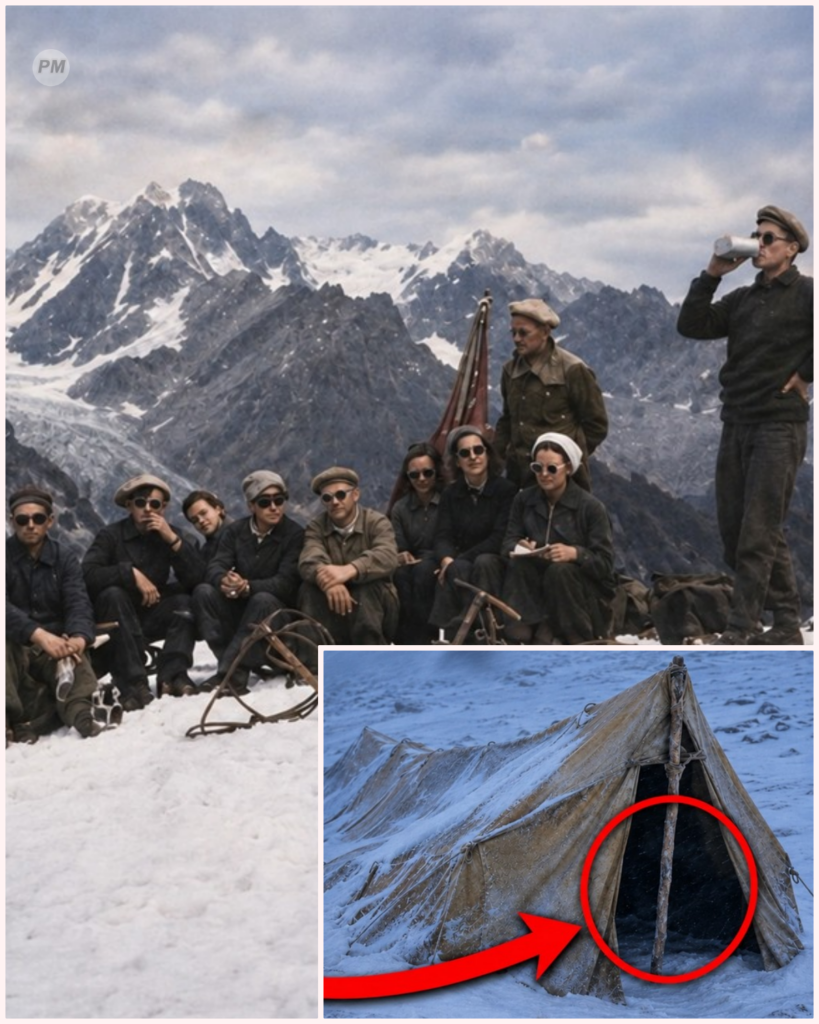
The final camp is a familiar image, a tent on a sn…
The final camp is a familiar image, a tent on a snowy slope, abandoned by people who should have needed it to survive.
But another image matters just as much. Before our disappearance, members of the Dyatlov expedition photographed the work of preparing a place for the tent they were cutting into the snow.
For decades, the first image asked a question. Why would experienced winter travelers leave shelter and equipment behind?
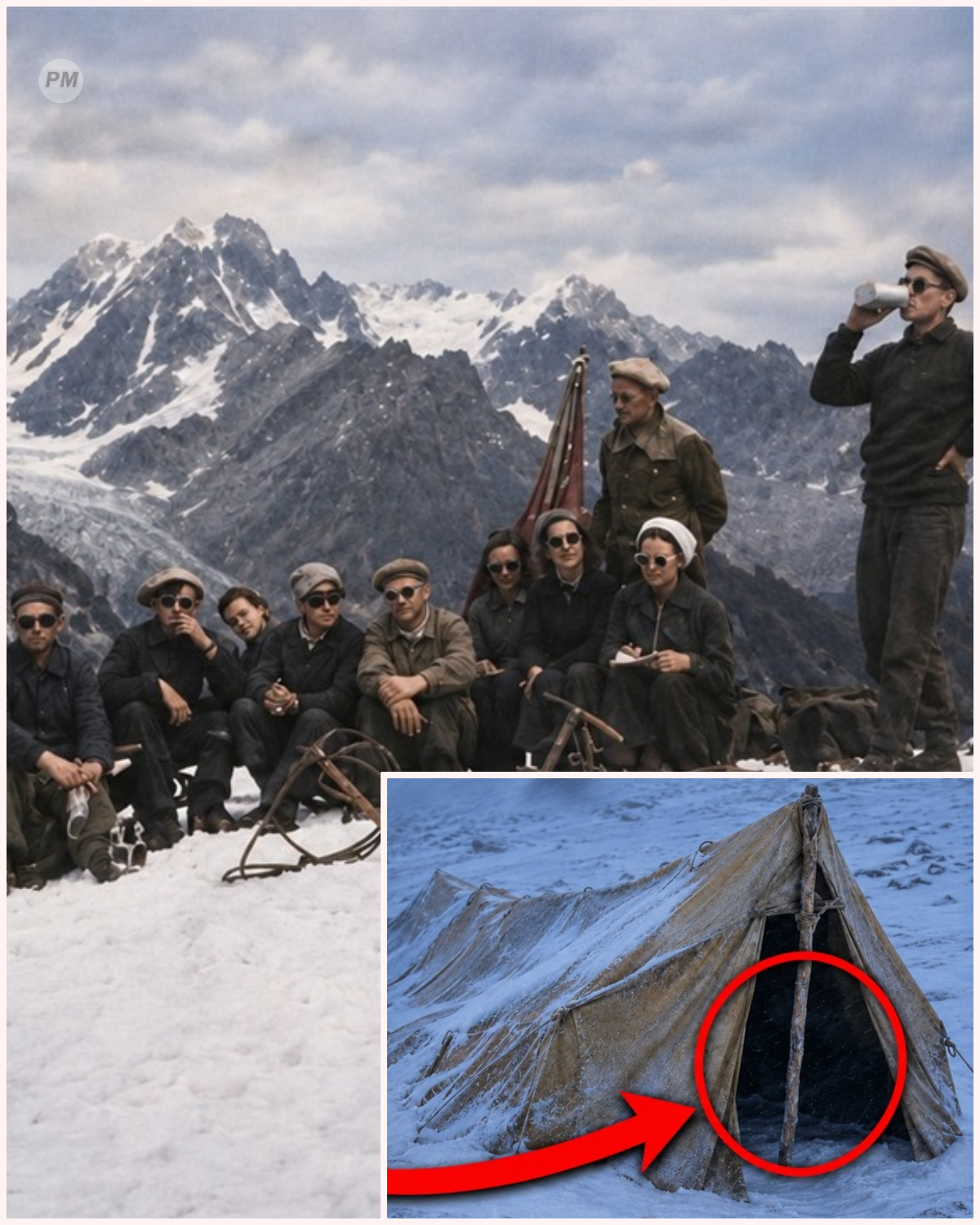
The second [music] image offered a possible starting point for a physical explanation. A cut in a slope can change the support of the snow above it.
The change need not cause failure immediately. In February 1959, nine members of a Soviet skiing expedition died in the northern Urals.
Their tent was found weeks later. Tracks led downhill. The search eventually located all nine, but the discoveries didn’t produce a complete account of the night.
The case became a collection of disturbing details, often presented without the context needed to [music] judge them.
An explanation could be rejected because the slope looked too gentle, because no numerous avalanche scar was found, or because the apparent delay didn’t fit an immediate collapse while the camp was being made.
In 2021, two researchers approached those objections as a mechanical problem. Johan Gaume and Alexander Puzrin asked whether a small slab of snow could have released above the tent after the camp had already been established.
Their work didn’t reconstruct every decision the hikers made. It tested whether a proposed trigger was physically plausible.
Then the investigation moved back into the mountains. Later expeditions measured terrain hidden beneath winter snow and documented avalanches nearby.
The findings challenged the claim that such events simply couldn’t happen in this area. Then turn a modern avalanche into a recording of the 1959 disaster.
That difference will guide our investigation. We’ll follow what the searches found, what the snow model actually explains, and what still lies outside its reach.
The result is more useful than either declaring the case solved, not written every unanswered question as evidence of something extraordinary.
A story begins with nine people preparing for a night on a mountainside. The mystery begins where their own survival record ends.
Between those two points is a practical action made for an ordinary purpose that may have changed the behavior of the slope.
The expedition had begun with 10 people. Yuri Yudin turned back because of illness, leaving nine to continue.
Their leader, Igor Dyatlov, was traveling with Lyudmila Dubinina, Zinaida Kolmogorova, Alexander Kolevatov, Yuri Doroshenko, Yuri Krivonischenko, Nikolai Thibeaux-Brignol, and Semyon Zolotaryov.
The original investigation described the party as trained and equipped for a demanding winter journey.
