In December 2001, people in Kansas City, Missouri…
In December 2001, people in Kansas City, Missouri gathered to bury a little girl. The memorial service ran for an hour and a half.
People cried for her. Many of them had never cried at a stranger’s funeral before.
Not one of them knew her name. Nobody in the room had ever met her.
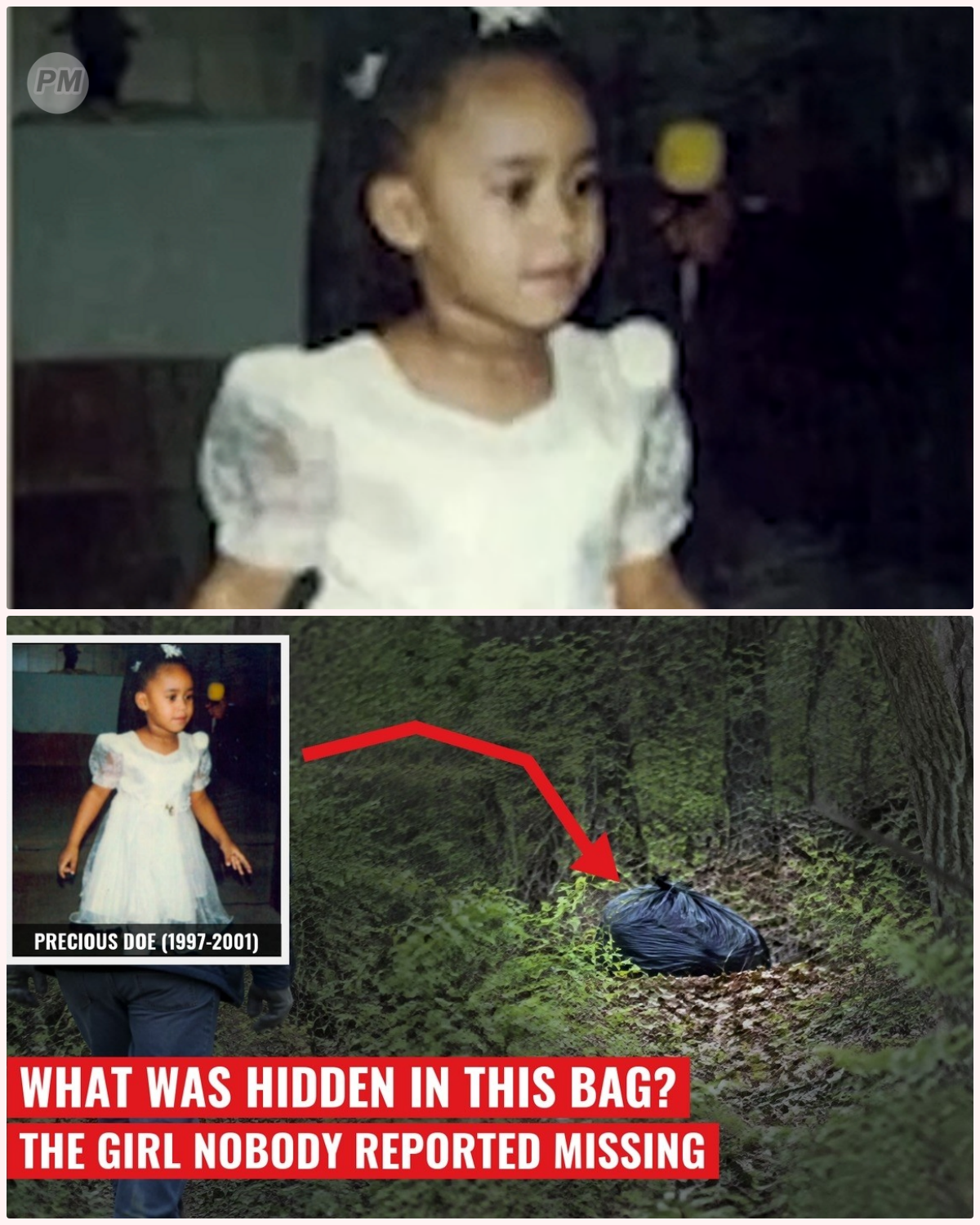
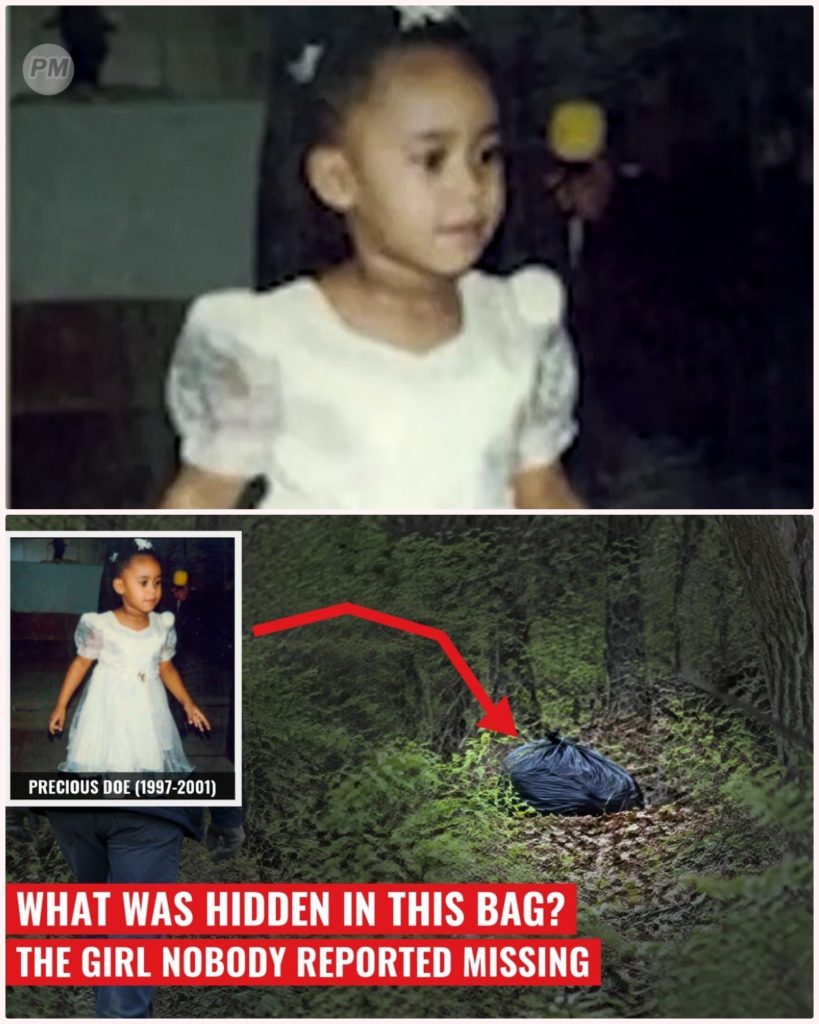
Nobody had reported her missing. Not her mother, not her father. Not a single relative anywhere in the country had picked up a phone to say a 3-year-old was gone.
She had been found 8 months earlier in the woods on the southeast side of the city, and in all that time, the people who should have been looking for her had said nothing at all.
So, the city gave her a name of its own. Community advocates called her Precious Doe.
This is the story of how a whole city mourned a child it could not name, and how it took 4 years, more than 600 tips, three appearances on national television, two sculpted faces, an exhumed grave, and one tip from another state to give her back the name she was born with.
By the end, you will know who finally broke the silence and why it cost him so much to do it.
You will meet the woman who raised her from the day she was born and hear the six words she said years later about letting her go.
And you will hear what a doctor told the jury about whether this little girl had to die at all.
And you will hear why for 2 days while she was still alive, the people closest to her never picked up a phone.
Kansas City sits on the border between Missouri and Kansas, a city of barbecue smoke and old brick, of rail yards and fountains and long straight boulevards.
On the southeast side, the neat streets give way to patches of woods, overgrown lots and dead-end roads where the city thins out into trees.
On Saturday, April the 28th, 2001, in one of those wooded areas, a police officer found the body of a little girl.
She was small. Police would later say she was about 3 or 4 years old.
She was African-American with no clothes that could tell investigators where she came from. No shoes with a store name, no bracelet, no note.
And she had been treated with a cruelty that the officers who saw her would remember for the rest of their careers.
Her head was missing. Detectives started where detectives always start. Who is she? Because until you know who a victim is, you cannot know who knew her, who saw her last, or who had a reason to hurt her.
The name is the door to everything else. They expected that door to open quickly.
A 3-year-old does not live alone. She has a mother or a grandmother or a foster family or a daycare teacher who notices on Monday morning that she did not come in.
Somebody somewhere would be calling the police. Somebody would be frantic. So, they waited for the call.
It did not come. Three days later on May the 1st, a volunteer searcher walking through the same woods found a plastic trash bag.
Inside it was the little girl’s head. Volunteers, ordinary people from the neighborhood who had come out to walk the brush in the ditches because a child had been found dead near their homes.
And they could not sit inside and do nothing. One of them found what the killer had tried to hide.
Now detectives had a face. A small round face, the face of a toddler. They could photograph it.
They could have artists draw it. They could put it on television. Surely now someone would recognize her.
And the city did see her face. It was on the news, in the papers, on flyers taped to shop windows and church doors.
People in Kansas City talked about her at dinner, at work, at the bus stop.
Who is she? Where did she come from? How can a little girl be dead for days and nobody even notices she is gone?
That question would follow this case for 4 years. Hold on to it because the answer is the darkest part of this story.
And before we go on, I want to tell me where you’re watching from tonight.
Here is something I want you to think about and I want to hear your answer in the comments.
A 3-year-old disappears and nobody reports it, who is responsible for noticing? The family, the neighbors, the state?
Tell me where you land. In the first weeks, the tips came in, dozens then hundreds.
A woman who thought the girl looked like a niece she had not seen in a while.
A man who remembered a child at a gas station. People in other states who saw the story on national news and thought of a little girl who had moved away.
Every one of them had to be checked. Everyone took hours. And everyone led nowhere.
There was one lead that looked real. In Tacoma, Washington, a 2-year-old girl named Teekah Lewis had disappeared in 1999 from a bowling alley.
Her family had never stopped looking. When the news from Kansas City reached them, it was a terrible kind of hope.
The ages were close. The timing was possible. Investigators ran the DNA. It was not Teeka.
