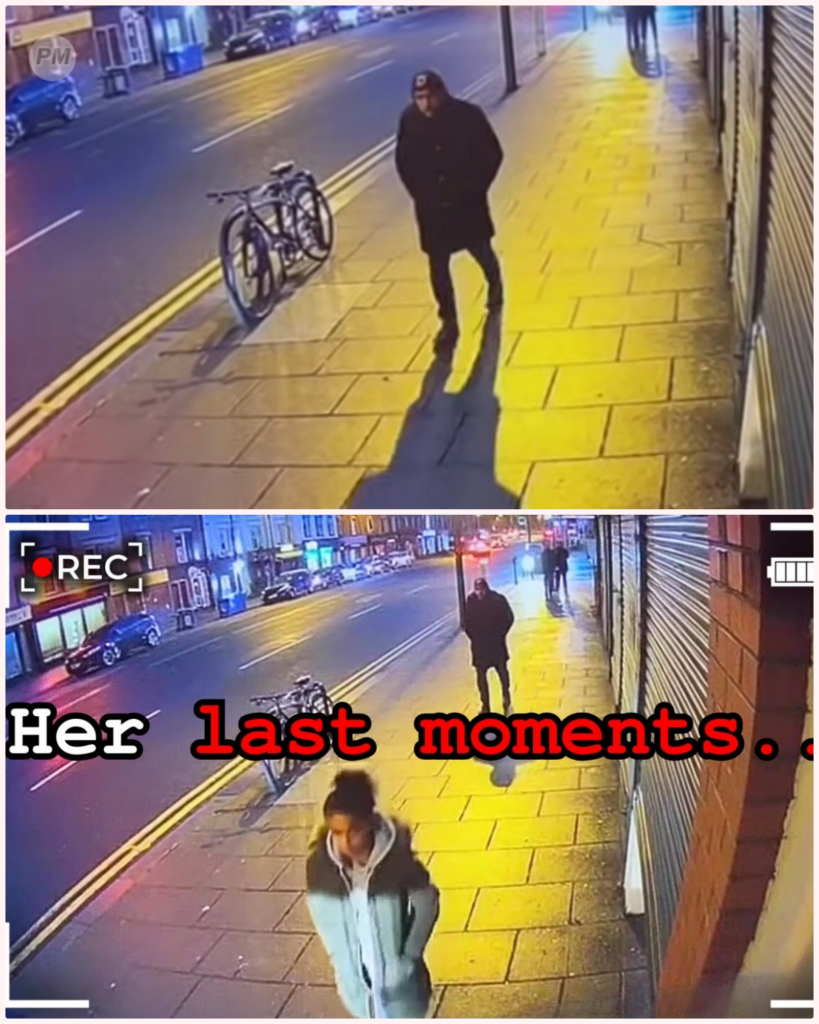
Nothing happened to them, but something happened t…
Nothing happened to them, but something happened to Destiny. Was she the first one he acted on or the first one where he successfully executed his plan?
Investigators don’t know. Thomas won’t say. When asked about the other names, he goes silent or says the voices told him to write them down.
No elaboration. Defense argued it’s evidence of his disorganized thinking, random names he collected. Prosecution argued it’s evidence of target selection, a predator in development.
The judge ruled the information couldn’t be presented to the jury. Prejuditial, not directly relevant to Destiny’s case.
Those six women still don’t know if they were being surveiled. Still don’t know if Thomas had notebooks about them, too.
Still don’t know if they were lucky or if destiny was simply the one where circumstances aligned.
Timing, opportunity, the progression of his illness. Whatever it was that pushed him from observation to action, Destiny Williams would have graduated high school in June, would have gone to University of Michigan in the fall, would have studied medicine, would have become the doctor she dreamed of being.
Her bedroom in Patricia’s house is still exactly how she left it. Textbooks on the desk, college brochures on the shelf, navy blue puffy jacket hanging in the closet.
Patricia says she can’t bring herself to change anything. Says sometimes she goes in there and just sits.
Tries to remember what Destiny’s voice sounded like. Tries to remember what her laugh sounded like.
Says those memories are fading and that terrifies her more than anything. That eventually she won’t remember the sound of her daughter’s voice.
The warehouse on Fiser Street has been demolished. City tore it down in 2023. Built a community garden in its place.
Small memorial marker near the entrance. Destiny Williams, 2007 to 2025. Her light still shines.
Patricia went to the opening, said it was better than leaving the warehouse standing. Better to have something growing there than something rotting.
But she also said she’ll never go back. Can’t knowing that’s where her daughter spent her last hours alone, scared, fighting until she couldn’t fight anymore.
If you work with vulnerable populations, if you volunteer at shelters or community centers or anywhere where you interact with people experiencing mental health crisis, read the comments below.
Share your safety protocols. Share what your organization does to protect volunteers because this case, what happened to Destiny, it wasn’t inevitable.
There were intervention points, moments where someone could have noticed, could have flagged Thomas’s behavior, could have connected his repeated visits with his questions with his fixation.
But no one did because no one was looking for it. No one thought a quiet homeless man who never caused problems could be documenting a teenage girl’s life in a 73page notebook.
And if you’re someone who parks in the same spot every day, who takes the same route home every night, who has a routine that’s predictable, this is your reminder.
Someone could be watching. Someone could be learning your patterns. Not because you did anything wrong, not because you’re not careful, but because to someone with a deteriorating mind, your routine becomes their plan.
Your kindness becomes their justification. Your humanity becomes their target. Destiny smiled at Thomas Garrett.
That’s what killed her. A smile. Think about that. And think about how many people you smile at every day who you’ll never see again.
Most of them are fine, normal, safe. But statistically, someone watching this video right now, someone reading these words, is being observed, is being documented, is on someone’s page 47.
You won’t know until it’s too late. Destiny didn’t.
