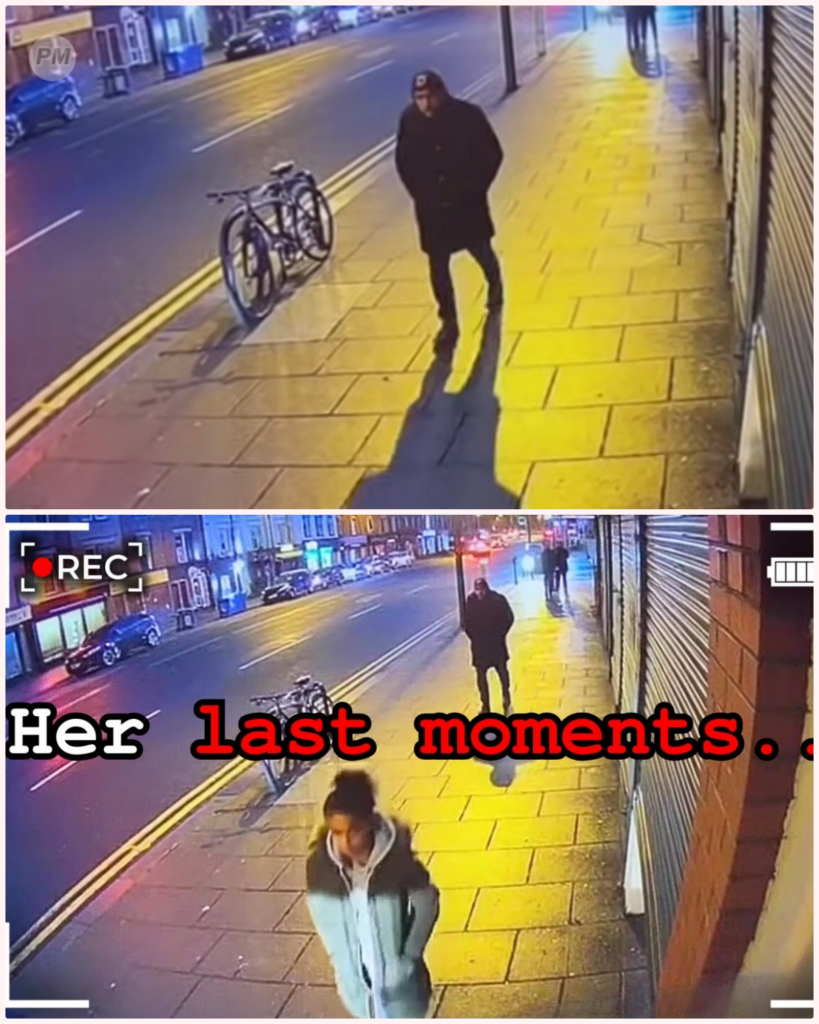
He was committed to the Center for Forensic Psychi…
He was committed to the Center for Forensic Psychiatry in Seline, Michigan, a secure psychiatric facility for the criminally insane.
He’ll remain there until doctors determine he’s no longer a danger. Could be years, could be decades, could be never.
But here’s the reality. He’s not in prison. He’s in treatment. Patricia Williams told reporters after the verdict that she didn’t understand.
How could someone plan something for 11 weeks, document everything in a notebook, steal a van, scout a location, execute a kidnapping, and not understand right from wrong?
How could detailed surveillance be explained by mental illness? The prosecutor said, “It’s the paradox of schizophrenia.
The planning was real. The organization was real, but the motivation, the underlying reason, that was driven by delusion.
Thomas believed destiny was in danger. Believed he was saving her. When she fought against him, his fractured mind interpreted that as betrayal, as proof she was part of the conspiracy against him.
The violence wasn’t planned. It was reactive. Born from paranoid psychosis. But here’s what keeps Patricia awake at night.
Not just the verdict. What Thomas told investigators during one interview. When asked why he chose Destiny specifically, he said, “She smiled at me.
That’s it. She smiled at him, treated him like a person, and in his deteriorating mind, that kindness became fixation, became obsession, became ownership.”
Patricia said in one interview, “My daughter was kind. That was her nature. She saw someone struggling and she helped.
And that kindness, that basic human decency is what got her killed. How do you process that?
How do you tell people to be kind when kindness can be twisted into something dangerous?
Hope Street Shelter is still operating. They’ve implemented new protocols. Volunteers under 18 are no longer allowed to work evening shifts without a parent present.
Staff received training on recognizing warning signs of fixation and obsession. Security cameras were installed in the parking lot and along the perimeter.
But here’s what didn’t change. The population they serve. Homeless individuals, many with untreated mental illness, still come in every day, still interact with volunteers, still have access to people who are trying to help them.
Because what’s the alternative? Stop helping. Stop being kind. Patricia doesn’t think so. She started a foundation in Destiny’s name, Destiny’s Light.
It funds mental health services for homeless populations and safety training for volunteer organizations. She says Destiny would want people to keep helping just to do it safely.
But there’s something else in the case file, something most people don’t know. During the forensic analysis of Thomas’s notebook, investigators found something on page 72.
A list of names, seven names, all female, all volunteers or staff at various shelters Thomas had visited over the previous 3 years.
Destiny was the seventh name. The other six investigators contacted them, asked if they remembered Thomas Garrett.
Three said yes. Quiet guy never caused problems. Two said maybe they see so many people.
One said she remembered him specifically because he asked her a lot of personal questions.
What time did she leave work? Where did she park her car? Did she always take the same route home?
She’d thought it was odd but not threatening. Didn’t report it. Nothing happened, so she forgot about it.
