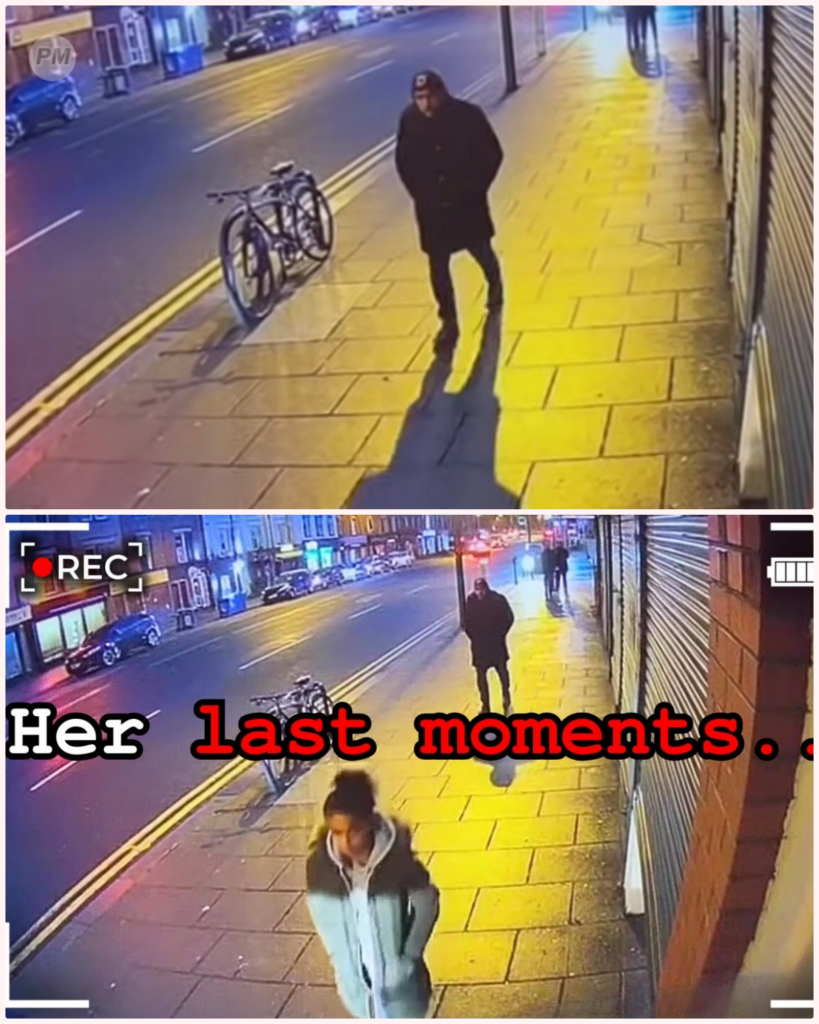
Look at this image
Look at this image. A suburban street, Detroit, Michigan. 9:47 p.m. January 15th. Temperature 22° F.
An African-Amean girl, 17 years old, walks on the sidewalk. Behind her, 40 ft back, a man around 50 years old.
He’s following her. She doesn’t turn around. He maintains the distance. In the next few minutes of this video, you’ll discover why this girl, Destiny Williams, volunteer at Hope Street Shelter, will never make it home.
The question isn’t what happened in those 40 ft of distance, but why a man she had helped for months transformed gratitude into obsession, and obsession into something no one could have predicted.
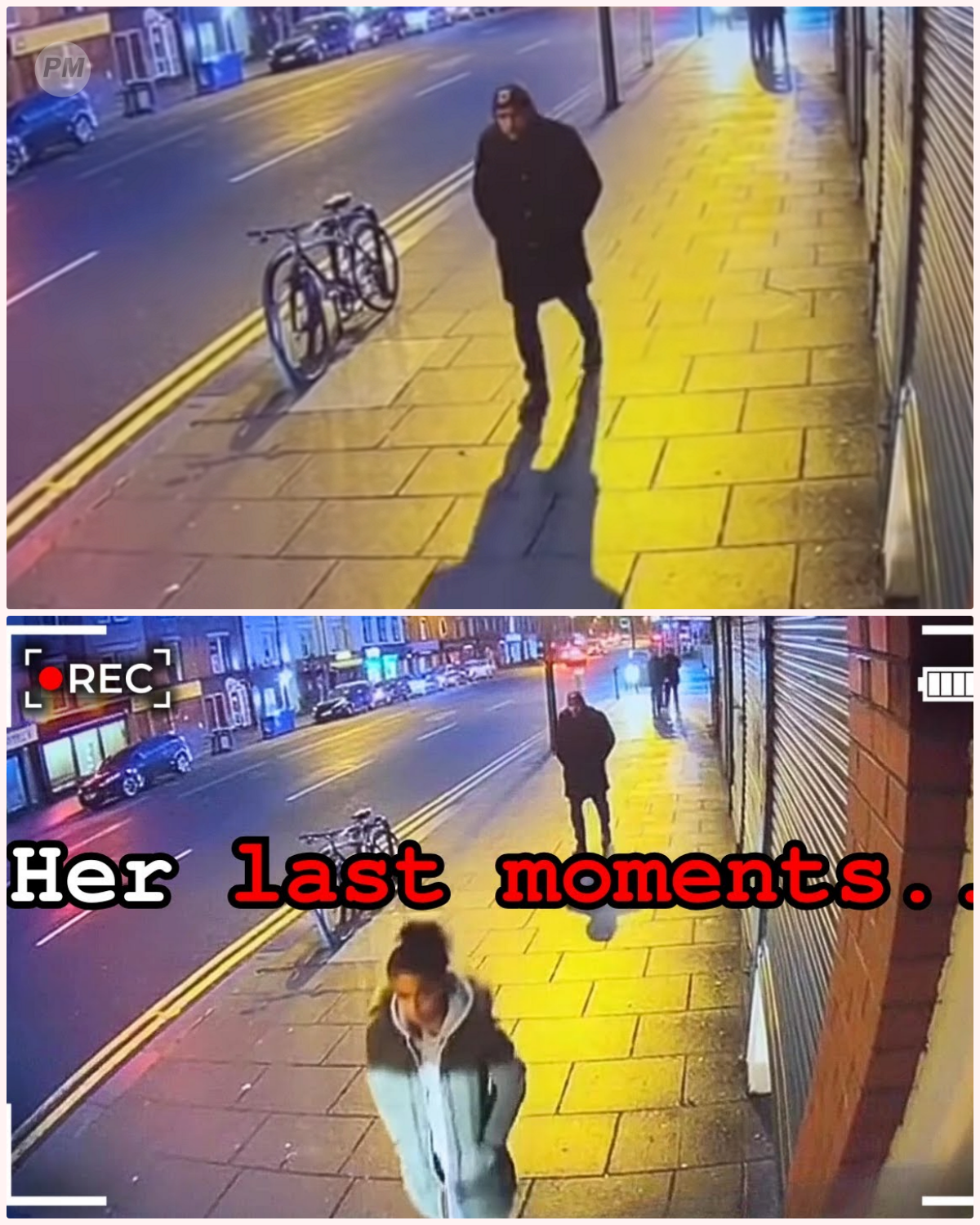
This is the story of how a single act of kindness became a surveillance operation that lasted 11 weeks.
And when you see what investigators found in his notebook, page 47 specifically, you’ll understand why Destiny’s mother still can’t sleep in the same house where her daughter used to live.
You’re thinking this is about a random attack, a homeless man, mental illness, wrong place, wrong time.
That’s what everyone thought. That’s what the news reported for the first 48 hours. Homeless man follows volunteer girl.
Tragic but explainable. Mental health crisis meets vulnerable target. Case closed. Wrong. Wait. Because if that’s what you think happened, you’re missing the part that makes this case different from every other case you’ve seen.
The part that took investigators 6 months to piece together. The part that changes everything about what you’re looking at in this footage.
Destiny Williams, 17 years old, senior at Cass Technical High School, 3.8 GPA, applied to University of Michigan for premed.
Every Tuesday and Thursday evening, 6:00 p.m. To 10:00 p.m., she volunteered at Hope Street Shelter on West Grand Boulevard, served meals, organized clothing donations, talked to people.
Her mother, Patricia, worked double shifts at Detroit Medical Center. Her father wasn’t in the picture.
Destiny took two buses to get to the shelter. Bus 16 from her neighborhood in Brightmore.
Transfer to bus 23, 47minute commute each way. She did this every week for 14 months, never missed a Thursday.
Patricia told investigators later that Destiny wanted to be a doctor because she’d seen what happened when people didn’t have access to health care.
The homeless population at Hope Street, that’s who she wanted to help. People who fell through every crack in the system.
And he noticed within the second week. His name was Thomas Garrett, 52 years old, diagnosed schizophrenic, off medication for 18 months.
Had been in and out of shelters across Detroit, Dearbornne, Highland Park for 3 years.
Hope Street was his most frequent stop. Came in for meals four to five times a week.
Staff knew him. Quiet guy. Never caused problems. Kept to himself. Ate his food. Left.
But here’s what staff didn’t know. Thomas had a room. Not on the street, a room in a boarding house on Joy Road, 2.3 mi from the shelter.
Paid for by disability checks. $840 a month. Room 7, second floor, window facing the street.
And from November 3rd onwards, Thomas wasn’t just coming to Hope Street for food. He was coming to watch Destiny.
Investigators found his notebook after the confession. 73 pages spiralbound. Purchased at Dollar General on Liveroi Avenue.