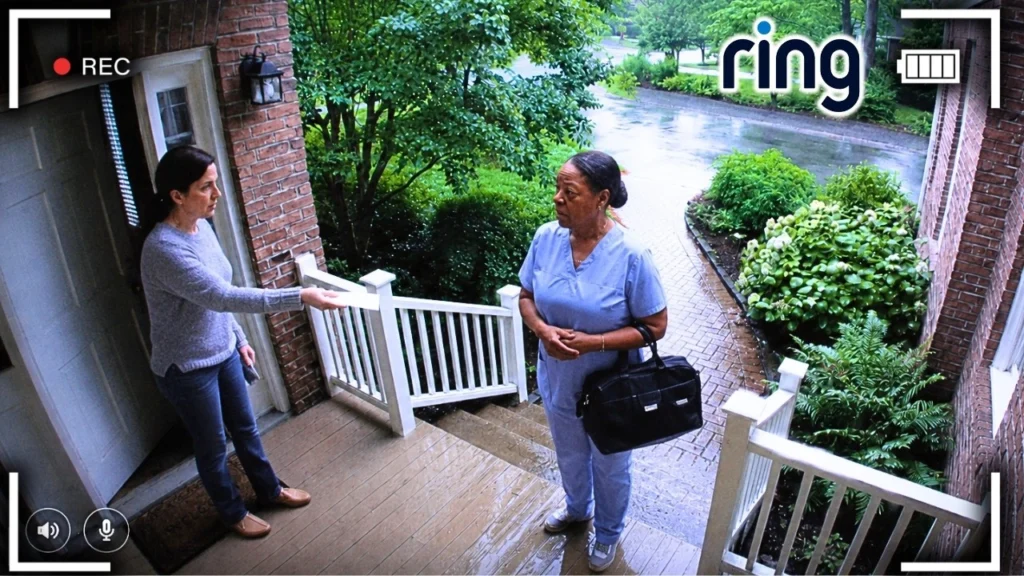
Inside was the copy of the January 2023 will
Inside was the copy of the January 2023 will.
She read it.
She read it again.
She took photographs of every page.
She drove to an attorney’s office in Sumter that afternoon.
The civil case was filed in Florence County Probate Court on August 9th, 2024.
It named Gerald Finch, Claudia Pembroke, and Warren Pembroke as respondents.
It alleged will forgery, document fraud, and breach of fiduciary duty.
The criminal investigation found in Finch’s office emails subpoenaed under the fraud investigation a thread between Finch and Claudia Pembroke beginning at 9:47 am on July 18th, 17 minutes after their phone call.
Claudia’s first message, the original, has to disappear.
What do we need to do? Finch’s response, I handle it.
You handle Faye.
Claudia’s reply, Faye won’t answer.
Leave her.
This case sits at the intersection of two things worth understanding clearly, elder financial abuse and the specific vulnerability created by informal caregiving arrangements.
Elder financial abuse is the fastest growing category of financial crime in the United States.
The National Council on Aging estimates that older Americans lose approximately $36.
5 billion annually to financial exploitation.
The majority of perpetrators are family members or individuals in positions of trust.
The majority of cases are never reported.
What Arthur Pembroke did, updating his will to reflect a genuine debt of gratitude, was legal, ethical, and within his full rights.
What his children and his attorney did in response was not.
But the mechanism that made the fraud possible was a structural gap.
The gap between Arthur’s intention and its legal protection.
The January 2023 will was valid, but its existence was known to only four people.
Arthur had believed that having an attorney he had trusted for 26 years hold the original document was sufficient protection.
It was not sufficient because the attorney was the threat.
Specific steps that reduce this vulnerability.
File a copy of the will with the probate court directly during the testator’s lifetime.
This creates a public record that cannot be replaced without the court’s involvement.
Arthur’s will was never filed during his lifetime.
It existed only in Gerald Finch’s office and in a fireproof box.
A second protective step is independent legal counsel.
Arthur used Gerald Finch, the same attorney who had served his family for 26 years, and who had financial entanglements with his children.
An independent attorney retained specifically for the will revision and with no relationship to the family, would have stored the original outside the family’s sphere of influence.
A third step is direct disclosure to the beneficiary.
Arthur chose not to tell Celestine about the will.
His instinct inadvertently kept her unaware that she had any legal standing to protect.
If Faye had not driven to Florence alone and remembered where her father kept his important papers, Celestine Okafor would never have known that 40 years of her life had been worth $8.
3 million to the man she had served.
The system did not save Celestine.
A woman who had been estranged from her family for 20 years and still knew where her father kept his important papers saved Celestine.
Gerald Finch was disbarred and received 4 years in state custody plus restitution.
Claudia Pembroke was convicted and sentenced to 6 years, parole eligibility at 3.
Warren Pembroke negotiated a plea agreement, 18 months of supervised release plus forfeiture of his estate share.
The January 2023 will was validated by the Florence County Probate Court in March 2025.
The estate, reduced by legal costs, was transferred to Celestine Okafor in the amount of $7.
1 million.
She was 62 years old.
Faye Pembroke did not attend the probate hearing.
She did not attend either trial.
She gave a deposition, answered the questions she was asked, and returned to her life.
When a journalist attempted to contact her after the verdict, she declined to be interviewed.
A mutual acquaintance, asked later what Faye had said about the case, reported that she had said very little.
That she had gone to Florence because she wanted to say goodbye to her father in her own way.
That she had found the box because she had always known where he kept things.
That she had done what seemed obvious to do.
She had not been trying to save anyone.
She had simply looked in the right place.
Celestine Okafor was asked, in a brief statement issued through her attorney, whether she had known about the will.
She said she had not.
She was asked whether she would have continued working for Arthur Pembroke if she had known.
She said the question did not have a simple answer because the work and the relationship were not the same thing.
She was asked whether she had anything to say to Arthur’s children.
She said she did not.
The last paragraph of her statement read, “I worked in that house for 39 years because the work was mine to do.
What Mr. Pembroke chose to do with his estate was his to decide.
I am grateful that the court has honored his decision.
I do not intend to say anything further about this matter”.
She did not say anything further.