Todd Riggs parked His truck under a three-story painting Of a missing woman, because somebody
Wanted to know why her lights cost so much. It was ten twenty On Tuesday morning, December sixth, two
Thousand five, on old Route Sixty-Six In Pontiac, Illinois. Riggs was A lineman for the power company.
The four floodlights He had come to check were off, the Way they always were in daylight.
The little wheel Inside the electric meter was Turning anyway. Lights off. Meter running. Something on that
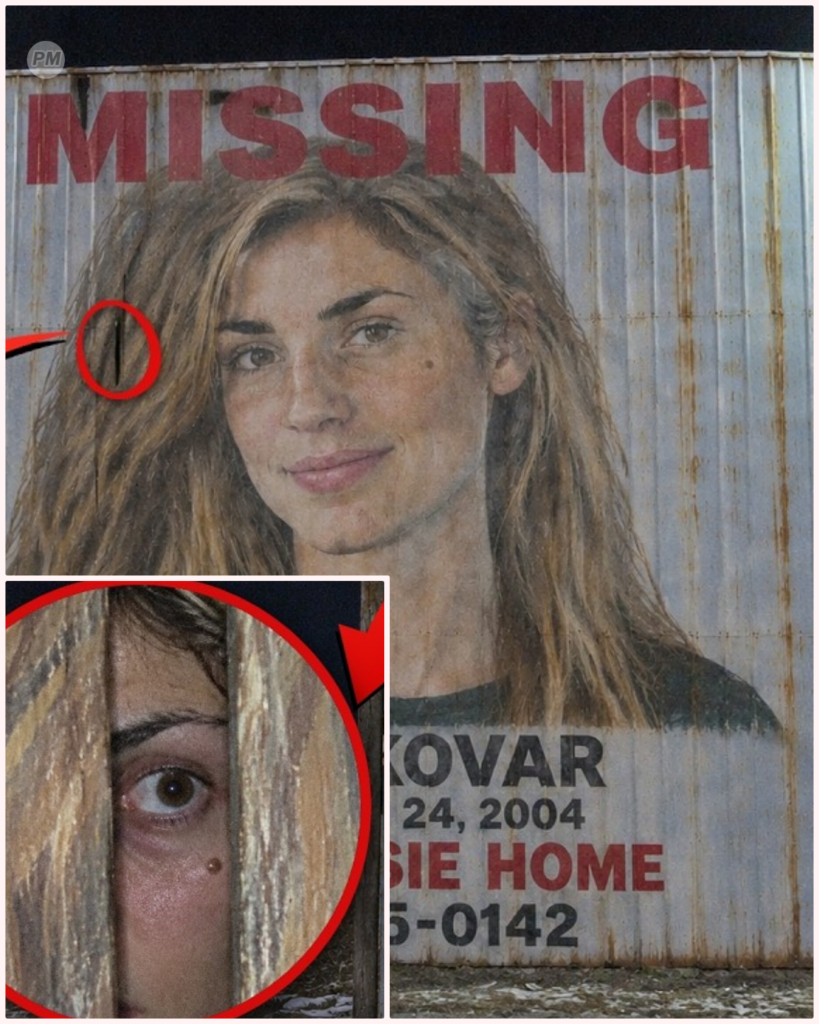
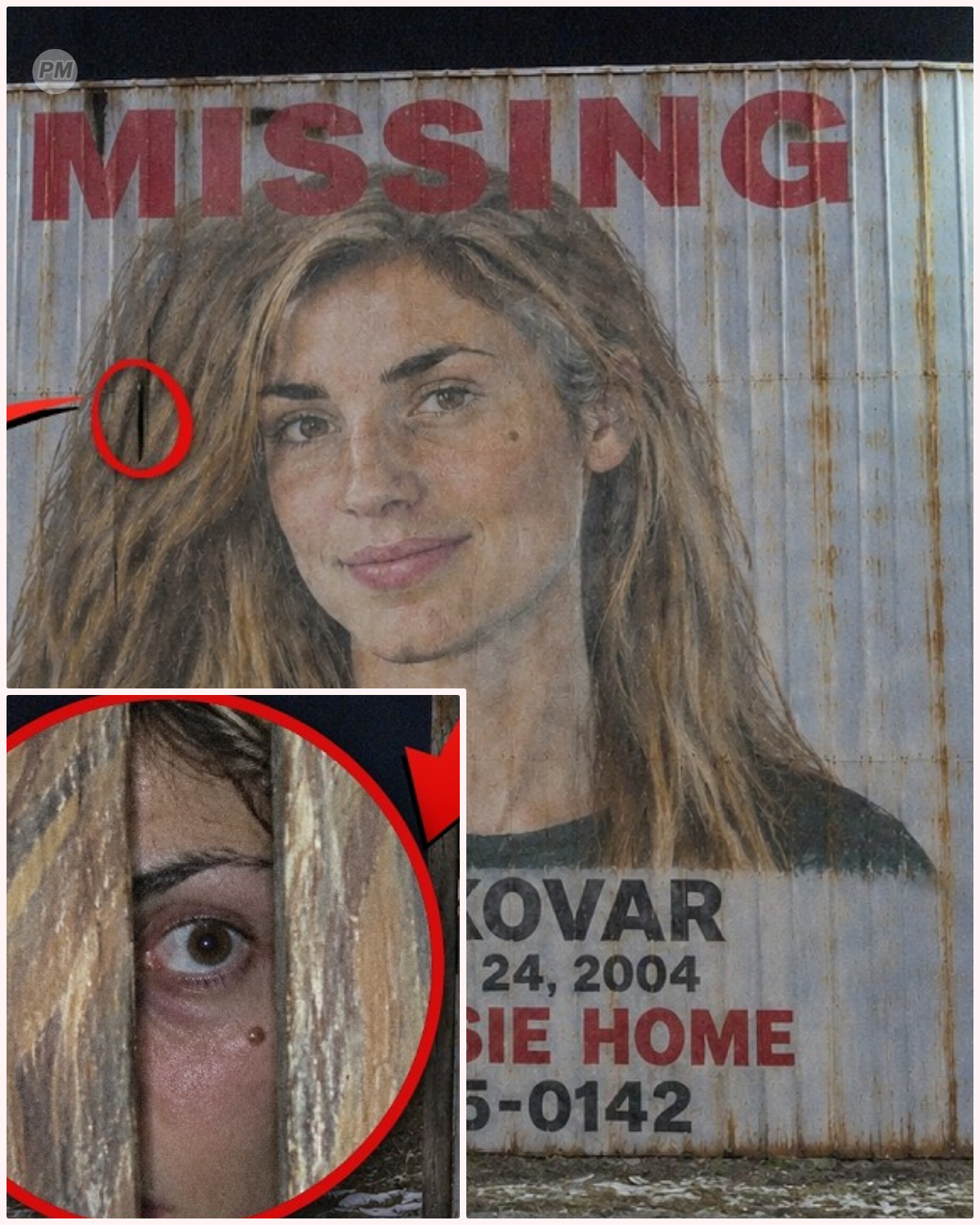
Line was using power, and it was not The lights. The painting covered The back of a drive-in movie
Screen that had been closed for Nineteen years. A face thirty Feet tall. A waitress named
Josie Kovar, twenty-four Years old. And one word Above her head. Missing. She had walked out of
A roadside cafe on a Friday night fourteen Months earlier and never reached Home.One hundred forty people searched the
Cornfields for her. The sheriff believed She had climbed into a truck on the Interstate and was long gone.
Riggs did What linemen do. He followed the wire With his eyes, up the wall, to the place
Where it went in. It went in next to A boarded window, high in the
Painted hair. And between two of Those boards there was a face. A Living one.
Josie Kovar was Inside her own portrait, Looking down at him. She had been in
There for fourteen months. And when he Got the door open, she did not ask for help.
She said, “Don’t Turn the lights off. He only comes When they’re on.” She had thirty-one
Slips of paper to back it up. Each One had a date, a time, and the
Same white truck. Thirty-one visits To a missing girl’s portrait, always Late, always alone. Whose
Truck was it? This is a dramatized Story.The people in it are not real, But the places are.
And so are The dangers. Josie Kovar tears The last guest check of the night off
Her pad and lays it face down beside A trucker’s coffee. Table six. One coffee, one
Cherry pie, warmed. Nine forty p.m. Under the total, The two words she writes on every
Check: drive safe. It is Friday, September twenty-fourth, two Thousand four, at the Crossroads Cafe
On old Sixty-Six. At ten, Josie clocks Out, drops the pad into the pocket of
Her father’s old denim work jacket, Flannel inside, corduroy collar, and Crosses the gravel lot to her car.
She turns the key. The starter Clicks once. Then nothing. Second time This month. Her mother is already
At work: Connie Kovar, fifty-two, Works nights at a nursing home, Ten to six. Josie is twenty-four
And has no cell phone. The prepaid Minutes ran out in August. Back inside, Before she picks up the phone behind the
Counter, she writes on a blank check: Ten fourteen, called home. She writes the Time on everything.
Refills. Breaks. Phone calls. The cafe owner later Told deputies, “She’d write down When she filled your water.
I used to Tease her about it.” Nobody is home to Pick up, and Josie knows it.
She is Talking to the answering machine. “Mom, the car’s Dead again. I’m walking. It’s a nice night.
Don’t wait up… You’re at work. OK. Bye.” That message is the Last thing anyone can prove about Josie
Kovar’s night. Everything after it Is a county road, and nobody who admits To being on it.
Home is one point Four miles away. The night is warm and Dry, the end of a September so dry that
The combines have been running since Dawn, and the fields along the road Are half cut.
She turns up the Corduroy collar and walks on the right Shoulder, the side her house is on,
With her back to the traffic. On late Nights, her mother leaves the porch Light on for her.When Josie gets in, she
Switches it off. Every time. At six Forty the next morning, Saturday, Connie Kovar pulled into her driveway
After her shift. The porch Light was on. The bed in her Daughter’s room had not been slept in.
On the kitchen counter, The red light on the answering machine Was blinking. Connie played the
Message standing up, still in her coat. Then she played It again. Then she called
The cafe. The cook who was Opening up looked out the window and said Josie’s car was still in the lot.
Before she called The sheriff, she did something the deputies Asked her about later. She took the
Little cassette out of the machine, put It in the kitchen drawer with the Batteries and the rubber bands, and put a blank
One in its place. “So nothing could Tape over her.” At ten past seven, She called the sheriff.Outside
Town, a county road belongs to the sheriff, And on a weekend he had a handful of
Deputies for the whole county. By eight Thirty, he had called out the volunteer Rescue squad.
The squad’s captain Was at Connie’s door before nine. Craig Albers, fifty, Drove a propane truck for the farm
Co-op and knew every driveway in the County from his cab. Twenty-two years on The squad, captain for eight.
He Knew Josie, too. She had been pouring His coffee at the Crossroads since She was eighteen.
He parked the Squad’s white pickup beside Connie’s porch, The one with the light bar on the roof
And the number on the door: Squad Two. He spread a county Map across her kitchen table, and
Connie poured his coffee into the blue Mug from the hook by the sink. Then he made the
First promise anyone made her that day. “We’ll bring her Home, Connie.” Two years later, he
Would repeat that sentence under oath. From that morning on, Squad Two stood in the Kovar yard every
Day of the search, and the ground search Ran from Connie’s kitchen. Where do You start on a mile and a half of
Open road? With the road. Searchers walked both Ditches from the cafe to the porch,
An arm’s length apart, and found Nothing of hers. That afternoon, the Captain asked for a photograph for
The flyers. Connie went through The school pictures in the hall closet And came back with one.
“She’ll Want this one. Her hair’s down.” Two weeks later, the Town would start painting that picture
On the back of the Meadowlark screen. So think about that Walk for a second.
A dead car, a warm Night, a road she had walked since High school. Would you have
Walked it alone, or waited for a ride? Say which in The comments. By Sunday evening,
The search log on Connie’s table had Two lines in the same square hand. “County road culvert,
Mile zero point nine. Cleared. C. A.” And under it, At two fifteen on Sunday afternoon:
“Meadowlark Drive-In. Lot, concession Building, screen structure. Interior cleared. C. A.” Both lines Were true on the day they were written.
One of them stopped Being true eight days later. The Search ran nine days. Eleven square miles.
Twenty-three ponds And quarries, dragged or dived. A state Police plane. By the time the dogs
Came on that first Sunday, more than a Hundred people had walked those ditches, And the dogs lost the scent on
The shoulder. What beat them Was the corn. Half the county’s Fields were still standing, the rows
So tight that a searcher in one could Not see the next. The farmers told the
Volunteers not to worry. “Harvest Finds everything. That’s what We all said.” That September was
The fourth driest in Illinois since Eighteen ninety-five. Then October turned Wet, and the combines sat until November.
The sheriff Had his answer before the first Week was out. No body, no blood,
No purse in a ditch. The Crossroads Sits a few hundred yards from an Interstate exit, and trucks pull
In all night. A driver who ran That route told a deputy he had seen a
Crossroads waitress climb into a sleeper Cab in the lot one night that month. He could not say
Which night. For the sheriff, That settled it. She had left on Eighteen wheels. The squad put a tip
Line in its hall. Bring Josie Home, Eight one five, five five five, zero One four two.
The number went on Every flyer in the county. Volunteers Answered by day. At night, an answering
Machine took the calls, and each Morning whoever opened the hall wrote them Into a log.Three officers could call
It from any phone, punch in a code And play the tape. Over fourteen months,
That log would collect one hundred Fourteen calls with nothing in them. Hang-ups. Dial tones.
On the ninth night Of the search, Sunday, October Third, it has one more. “One oh
Seven a.m. Hang-up.” That Afternoon, the sheriff ended the Organized search. Fourteen months Later, the phone company’s record of
That line would show how long the hang-up At one oh seven lasted. Forty-one Seconds.
The squad’s greeting Ran twenty-two. Whoever called had Stayed on the line for nineteen seconds
After the beep. People hang up During the greeting. Nineteen seconds is Long enough to say a name.
So who stays on The line at one in the morning, on the Last night anyone is still looking?
Six days Later, the town started painting. On Saturday, October Ninth, the art teacher from the high
School brought her class to the Meadowlark Drive-In, which the city owned. The back of its
Screen faces old Sixty-Six. The power Company lent a bucket truck. In eight days, the
Kids put the picture Connie chose on that Wall, the one with the hair down, and
Above it, in letters a driver could read At highway speed: Missing. Under It: Josie Kovar.
Since September Twenty-fourth, two thousand four. Bring Josie Home. And the number. On that side of
The tower were two windows, boarded Since the drive-in closed. The teacher Hid both in the dark of the hair and
Painted the boards brown. The upper One ended up right beside the left eye. Nobody went inside.
The inside Had been cleared. On Friday, October Twenty-second, the town held a candlelight Vigil under the finished face.The
Lights were the captain’s idea: four Floodlights on two poles, on a timer, From dusk to midnight, so every
Driver on the interstate Would see her. Craig Albers threw The switch himself. The local paper ran
The picture: the captain at the switch Box, his hand on the lever, her face
Lit up behind him. Under the portrait, The squad bolted a locked box with a
Slot in the lid. Messages and tips. Keys went to the squad, The sheriff, and the pastor of Bethany
Lutheran, the church two hundred Yards across the road. Then A year went by. The squad raised
A reward, eighteen thousand four hundred Dollars, out of pancake breakfasts And coffee cans. Connie kept the
Porch light on. Every few weeks, She went out to her daughter’s car in The driveway and charged the battery.
“She’ll want that Car to start.” At Bethany, the Pastor’s wife kept a food box on the church
Porch for anyone in need.That fall, She wrote in her notebook that the Box was emptying faster than
It ever had. She decided somebody In town had fallen on hard times. “Somebody’s too
Proud to knock,” she wrote, and she filled The box fuller. The fund’s first report
Fit on one page. Flyers. A new Passenger-side mirror for Squad Two, two hundred Twelve dollars and forty cents,
Deer strike. And the officers’ Cell phone bills: the squad paid back Their calls for the search.
Deer hit Trucks every fall. Nobody asked. Every month, the Fund also paid the electric bill for
The floodlights. It was a new Account. What would anyone Compare it to? In October of two
Thousand five, the squad elected a new Treasurer, a retired school bookkeeper. When the November
Bill came, she turned the envelope over and Did the arithmetic on the back. Four lamps.
Four Hundred watts each. About seven and a Half hours a night.On Friday, December Second, she called the power company.
“Four lamps can’t Burn seven hundred kilowatt-hours. I did it twice.” Four lamps on that
Timer could burn about four hundred In a month. The bill said Seven hundred seventy-one.
On Monday, the power Company wrote up a work order for The screen at the Meadowlark.
The Work order is three lines long. “High Bill complaint. Check meter, Check for tap.
Meadowlark screen.” Monday, December Fifth, two thousand five. It went To Todd Riggs, forty-one, nineteen
Years on the line, because he had an Open Tuesday morning. In the power company’s
Billing office, a clerk later explained How a bill like that could run for Fourteen months.
“Nobody checks a Meter until somebody argues with a bill.” Riggs’s statement To the state police runs four pages.
The part about the Meter takes six lines, and it is the Whole science of this case.
“In Daylight, the photocell holds those Lamps off. Nothing on that Service should be pulling.
So you Watch the disc. If it’s turning, Something behind the meter is on. I put the clamp
On the drop. Six amps, about. That’s a space heater, Or near enough. Lamps don’t do that.
People do.” A heater Cycling on and off all month, in a Building nobody was supposed to be
In, is about the difference between Four hundred kilowatt-hours And seven hundred seventy-one. And like every lineman,
Riggs looked up before he looked At anything else. The drop, the Insulators, the place where the wire goes
Into the wall. What he saw at ten Twenty, up beside the painted eye, lasted
About two seconds. Then the gap between The boards was dark again. He did Not call it in.
He told himself what Any lineman would: a squatter. Empty Buildings get tapped every winter.And he
Did not want to say the word face to Anyone and be wrong. From Inside, it looked different.
In her Statement, Josie Kovar put it The way she put everything, Time first. “Ten twenty.
White truck, Light bar. In daylight. I thought It was him. Then the man looked
Up the wall. Right at the window. He never does that.” The city owned the
Drive-in, so the key to its padlock Hung at city hall. At ten fifty-five, Riggs signed it out from the city clerk.
In the book, under Reason, he wrote two words. Meter check. Ten minutes later, The padlock was off.
The door opened into The lower room of the old manager’s Apartment. On the wall was the
Gray panel for the floodlight timer, And in the panel, an outlet. Plugged Into it, an orange extension cord ran
Across the floor and up a wooden ladder, Through a square hatch in the Ceiling.
The lower room was As cold as the lot.The air coming Down through that hatch was not.
He had the door open Maybe five seconds when she spoke, from Somewhere above the ladder.
It was the Sentence about the lights. Riggs did what He had been doing all morning.
He looked up. A woman was holding The edge of the hatch with her right hand.
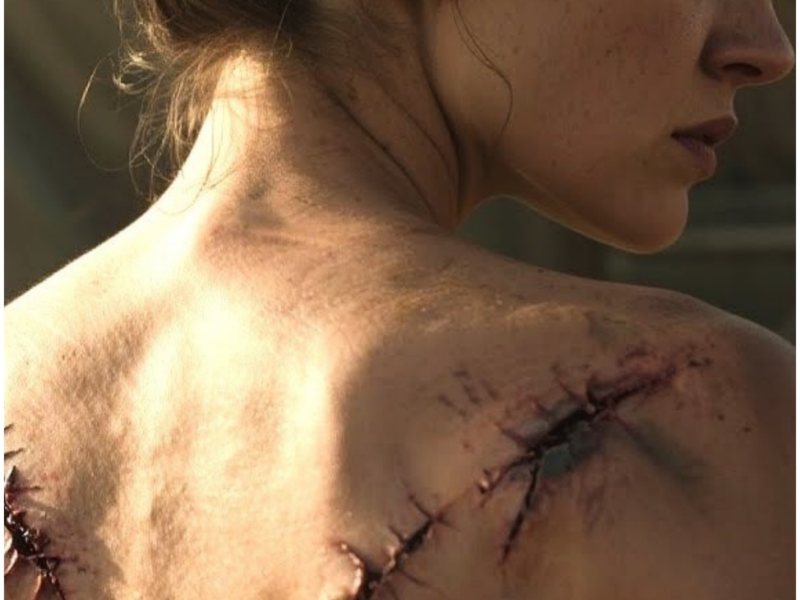
When a hospital Finally weighed her, she was one Hundred four pounds. Her left shoulder
Sat lower than her right, with a hard Knot where the collarbone had Knit on its own.
She was wearing a Man’s denim work jacket with a Corduroy collar. The first thing Riggs
Said, by his own account, was Not a question. “Ma’am, I’m just here About the bill.”
“I knew the face,” Riggs said later. “October before last, I ran the bucket truck for the
Art teacher. Two days. I was Twenty feet from that window.” She did Not come down.
She told him what She needed first. Not the sheriff. Not the squad.And then The one that made him turn and look
Back through the door at his own truck. “Nobody with a light bar.” The power company
Had three white pickups with light Bars in that county. Riggs was driving One of them.
Was she afraid of a Truck, or of a man? He did not ask. He asked who,
Then, and she said somebody from Outside Pontiac. His truck Had a radio. He did not touch it.
Half the county Listened to the power company, the sheriff And the squad on scanners in
Their kitchens. He walked out past The end of the screen, took out His cell phone and called the
State police. He asked for an Investigator who did not live in Livingston County. At two forty that
Afternoon, an unmarked sedan pulled Into the lot. Special Agent Marcus Dorn, forty-six, Illinois State Police.He climbed
The ladder and sat down on the floor of The upper room, and she handed him a
Stack of green guest checks with a rubber Band around them. Dorn asks short Questions and repeats the last word
Of the answer. That afternoon, his Notes say, it went like this. “He Comes to the box?”
“Yes.” “The box. Every time?” “Every time.” There were Thirty-one checks. He read them in order,
By the gray light from the boards. Different Dates, different minutes, all between Eleven twenty and eleven fifty-five
At night. The same truck. The top one read: “November twenty-six. Eleven Thirty-eight p.m. White pickup,
Light bar. Box, six minutes. Did not look up.” The one under it Ended the same way.
So did all Thirty-one. Dorn’s recorder ran For three hours and twelve minutes that Tuesday, on the floor of the
Upper room. She started with The headlights. At about ten Thirty-five that Friday night, nine-tenths
Of a mile from the cafe, a pair of Headlights came up behind her on
The county road. Something hit her Left shoulder and the left side of her head,
Hard, and she was in the ditch. The doctors would Later write it down as a split scalp, a
Concussion, a broken left collarbone And cracked ribs. She woke up in The dark, inside concrete.
Her watch Said a little before one. “I was In the pipe. Under the road.
I didn’t crawl In there. My jacket was up Around my ears, like somebody pulled
Me by it.” She had been In the ditch. Now she was thirty Yards away, inside the culvert, out
Of sight of anyone driving past. Somebody had stopped, And somebody had put her there.
She did not go out The end she had been dragged in by.She Went out the far end, on her right arm and
Her knees, and got as far as a line Of trees along the drainage ditch, about
A hundred yards off the road. Then she lay down. At ten to five, The truck came back.
“Four fifty. White truck, light Bar on the roof. Not lit. A man got Out with a tarp.
Folded. He looked In the pipe. Then he got the Spotlight going.” The beam went across
The field twice, through the Trees, over her. She lay flat in the Dirt and did not breathe.
She never Saw his face. The light was in Front of it the whole time.
Then the Truck pulled away. She understood one Thing that night, and she said it to Dorn
In five words. “He came back For me.” At first light, She moved. Four tenths of a mile
From the culvert, an empty farm sat Back from the road, and in its machine
Shed was a combine that had not run Since the nineteen eighties.With one Arm, it took her most of an hour to climb
Up into the grain tank on top. Eleven feet off The shed floor. Through a rust hole
In the side, she could see the road. By noon there Were searchers. A lot of them.
And that afternoon, One man walked into the shed by himself. “A cap. I saw
The top of it. He walked right Under me. He walked All the way through.
He Didn’t look up.” Nine days, she lived Off that farm. Windfall apples under An old tree in the yard.
Water From the ditch. Field corn off the Stalk, dry as gravel, chewed one side of
Her mouth at a time. She slept in the tank In the daytime and moved at night.
For the first two Days, the concussion would not let her Keep even the apples down.
On the second Day, a line of searchers came across The bean stubble forty yards from
The shed, an arm’s length apart, Calling her name. “They were Calling me. And there was a truck
In front of them, on the field Road.White. Light bar. I didn’t Know who was in the truck.
So I didn’t Know who was in the line.” Would you Have called out? Forty yards, and
Every one of them shouting your name? She had a split scalp, A broken bone and one picture in her
Head: a man with a folded tarp. On the third night, She walked home. Her mother’s house
Was half a mile from that culvert. She came at it through The corn behind the yard, and from
The end of the rows, she could See it all. The porch light, on. The kitchen
Light, on. And in the yard by The porch, parked where her own car Usually stood, a white pickup with a light
Bar on its roof. Through the kitchen Window, she could see a county map on
Her mother’s table and a man’s back in The chair beside it. He never Turned around.
If you have ever Stood in the dark outside your own House and could not make yourself walk
Up to the door, you know how long a Yard can be.Near midnight, the man came
Out, got into the truck and backed It around. The headlights swept The corn over her head.
Whatever she Told her mother now, that truck would hear It at breakfast. She went back to the shed.
The next Night, she came again. The truck was There again, and so was the man’s back.
The trauma Specialist who worked with her afterward Put it into one sentence for the court.
“She didn’t Have a list of safe people. She had A list of one.” The one was her mother.
And at her Mother’s door stood the same kind of Truck that had come back with the tarp.
On Tuesday night, for Dorn, she drew it on the back of A guest check.
A line for the road. A circle for The pipe. A row of little Marks for the trees.
A square for The shed. And at the end of The road, a smaller square for
The house. Five marks, half a Mile from the first to the last. Dorn kept
That check. It is the first Thing in his file. If she couldn’t go to
The people looking for her, and she Couldn’t go home, who was left? On the
Ninth night, she decided to trust A telephone. The hall at Bethany Lutheran was never locked.
Everybody on That road knew it. At one oh seven on Sunday morning, October third, she
Stood at the phone on the hall wall, under A bulletin board with her own face on
It, and dialed the number printed Under her picture. A call home would Play in her mother’s kitchen, where the
Captain sat every day. Nine one one Would go out over the dispatcher’s radio, And half the county had scanners.
The number on the Flyer felt like the whole town. After The greeting, the beep.
“It’s me. It’s Josie. I’m at the church By the drive-in. Please, Somebody come.” She said it in
Six seconds. Then she held the Receiver to her ear for thirteen more, Listening to the tape turn, as if somebody
Might pick up. She did not wait in The hall.She climbed to the choir loft in
The dark church and sat behind the rail, Where she could see the road. At one
Nineteen, one truck came. Not a deputy. Not an ambulance. No flashing lights. One white pickup with
A light bar, dark, rolling in slow. A man got out with A tire iron and walked all the way
Around the building, trying each door. Then he found the One that was always open.
His flashlight Went across the hall and the pews. She was twelve Feet above him.
“He stood right Under the loft. He didn’t look up.” He drove away. Help had taken twelve
Minutes, and it had come alone, With a tire iron. Who else had heard That message?
The next night, she Went where nobody would look twice. On the second day of
The search, through the rust hole in the Combine, she had watched trucks pull Into the Meadowlark lot and men go in
And out of the screen.Every kid Who grew up on that road in the nineties
Knew the loose sheet of siding at The end that swung out and Dropped back.
In the search log, The line was still there. “Interior Cleared. C. A.” In September,
It meant there was nobody inside. From October fourth On, it meant nobody would look again.
And the city’s padlock On the door was never touched. Anyone who pulled In, on any night, would find
It locked. Five days later, the Painting started around her. Through The boards, she heard kids arguing
About colors, the motor of a bucket Truck, and a man telling the kids to
Keep their hands inside the bucket. The smell of paint Came through the cracks for a week.
Then the window Went dark brown. On October twenty-second, She heard the vigil. A hymn, and
A man’s voice on a bullhorn. Then, Downstairs, the timer clicked, and The floodlights came on.
The week before, An electrician had spent a day in the Room under her, mounting that
Timer panel. He never climbed The ladder. The panel had an Outlet in it. The frost-free
Hydrant by the old concession stand ran Off a pump on the same line. Water at night.
Power at night. A space heater and a Hot plate came from the donation pile
In the church hall, the night after. Food came from the Box on the church porch, and she kept
Count of it on guest checks. She never Knocked at the pastor’s door. The pastor had a
Key to the tip box under Josie’s portrait, Like the squad, and in that town,
Any news about Josie went to the Captain first. “October Twenty-nine. Box. Crackers, soup. Two.”
The pastor’s Wife kept count too, in her notebook, two Hundred yards away. “Saturday. Box
Low again. Restocked. Soup, Crackers.” Never more than two Things a night.That was her rule, so
Nobody would notice. Somebody did notice. She just decided It was pride. January nights in
Pontiac ran down around fifteen Degrees. With the heater going And every blanket from the donation
Pile, the upper room held at about forty. Her collarbone knit By itself in six or eight weeks, crooked,
With a hard lump. “A collarbone will Heal on its own,” the doctor said later.
“It just won’t Heal straight.” In fourteen months, She went from one hundred thirty-one Pounds to one hundred four.
From the upper Window at night, she could see one Point of light, out across the fields.
Her mother’s porch. Twice that winter, On nights when the kitchen light was on And her mother was home, she walked over
And stood at the foot of the Porch steps. Both times, she Walked back without knocking.
And thirty-one Times, a truck pulled up under The face. Always in the light.The Driver went to the box, opened
It, read, closed it, left. About Six minutes. She wrote Every visit down. That Tuesday,
Dorn wrote his own line next to them. “A man at a lit Memorial is grieving.
A man with a flashlight On a dark lot is not.” At eleven that Night, a trooper brought Connie Kovar
Up the ladder. She looked at her Daughter for a long time before She spoke.
“Your car starts. I kept it charged.” Dorn wanted Josie In a hospital that night.
She Would not go. “If you guess wrong, He’s still out there, and my Mother’s home alone.”
Guess was The right word. If anyone had played Her message from the church, the whole
County would have heard about it By breakfast. Nobody ever did. Somebody had listened To it and erased it.
Who could do that From outside the hall? Three men Had the code: the captain, the lieutenant
And the squad president.The truck In her yard that fall, Connie told Dorn, was Squad Two, and all three had
Taken it home on their turns. All three had Sat at her kitchen table. On Thursday
At seven, at the squad’s monthly Meeting, the treasurer would read the power Company’s answer aloud.
All three men Would be in that hall. Dorn had Two days and no name.
The treasurer Came to the state police post in Pontiac on Wednesday morning with a shoebox
Under her arm. Fourteen months of The Bring Josie Home Fund. Every receipt, Every bill, every check stub, in the
Order they had come in. Dorn had asked Her to bring everything and tell No one, and she had done both.
She was A retired school bookkeeper. She Did not skim. She read every line Aloud and put a pencil dot beside
It, and when she reached the bottom Of a page, she went back to the top
And did it again. “I do everything Twice,” she told Dorn. “It’s a habit.” The first thing worth
A second dot was from September Twenty-seventh, two thousand four. “Passenger-side tow Mirror assembly, Squad Two.
Two hundred Twelve dollars and forty cents. Deer strike. Approved, C. A.” A new mirror on
The passenger side, the side toward the Shoulder, three days after a woman walking On that shoulder was hit on her left.
Now the damage Had a truck. It did not Have a driver. The squad’s vehicle
Log, a clipboard from the hall, had Squad Two signed out that weekend to The lieutenant.
For half a day, The lieutenant was Dorn’s man. Then the Treasurer found a cash count sheet from
The beer tent at the fall fundraiser, That same Friday. The lieutenant had Run the tap until closing and signed
The count at one ten in the morning, With two volunteers beside him. The captain
Had been in that tent too. Two volunteers Remembered him leaving at about Ten twenty-five.
So who had signed Squad Two out in the lieutenant’s name? The entry was not
Written on Friday. It was dated Monday, The twenty-seventh, the day of the Mirror, in the same square hand that had
Written “interior cleared.” The squad President had his own white pickup With a light bar and the code to
The tip line. But the county Dispatcher’s log for the night of the church Call had him at a wreck on the
Interstate from twelve fifty until two fifteen, With a flare in his hand. And one
Sheet from the sheriff’s old file Closed the oldest theory. The trucker’s Logbook put him in Joliet on September
Twenty-fourth. The waitress he had Seen climb into a cab was a different Girl, a week earlier.
Then the Treasurer reached the cell phone Reimbursements. The squad paid its Officers back for calls made for the
Search, so the officers turned in Their bills, every line printed.The Captain turned in his whole bill every month,
Like the others. Nobody had Ever read the lines. She took out His bill for October two thousand four,
Put her pencil on October third, and Read it out loud. “One eleven a.m. Outgoing.
Eight one Five, five five five, zero One four two. Three minutes.” Four minutes after
Her voice went onto the tip line’s tape, Someone dialed that line from a cell
Phone, at one in the morning, and stayed On it for three minutes. The phone
Was billed to Captain Craig Albers. The same bill had Him calling in like that almost every
Night of the search. Five minutes after He hung up, a white truck was at
The church. And in the log the Next morning, in the same square Hand: Hang-up.
The treasurer Dotted the line. Then she read It again. That afternoon, the State police lab sent word on the denim
Jacket.Under the corduroy, in the Seam of the collar, there were two slivers Of mirror glass and a chip of hard
Black plastic, the kind tow mirror Housings are made of. No paint. A mirror Does not leave paint.
At six, Dorn Drove out to the Kovar house and Told Connie. He sat in the chair
By her kitchen table, the one with The county map still taped to the Wall behind it.
She listened Without a word. When he was done, She got up, took the blue mug off its hook
By the sink, and put it in the Cupboard, behind the others. It was the
Only thing in that house she moved That week. Dorn had asked her To change nothing, and the porch
Light stayed on. That night, the county Prosecutor, the State’s Attorney, read The file and gave Dorn the arithmetic.
For the road, for Driving away from a woman in a ditch, Three years at most.
For the drinking, Nothing: after fourteen months, There was no blood to test.For the erased
Message and the log, a few years more, if A jury believed it. And what do you
Charge a man with for fourteen months at A mother’s kitchen table, promising to Bring her daughter home?
“There isn’t a Statute for that,” the prosecutor said. “There’s no law Against being kind to her.”
Dorn had a name And almost nothing to hold it with. Anything heavier Than three years was something Craig Albers
Had not done yet. On Thursday at seven In the evening, in the squad hall, the
Treasurer stood up with one sheet of Paper in her hand. The captain was Sitting in the second row.
The minutes of That meeting are half a page long. Under new business, One line: “Treasurer read letter from power
Company re: light bill.” The letter itself Is three sentences. “Meter tests Accurate.Continuous load behind the meter,
Consistent with a space heater Inside the screen structure. Premises To be opened and inspected Friday,
Nine a.m.” Every word in It was true. Dorn had asked the Power company to send it exactly as
Written, and nothing more. The next line In the minutes is a motion to adjourn.
Seven Twenty-two p.m. C. Albers. Nobody in that hall turned to Look at him. Why would they?
It had snowed since Morning, across northern and Central Illinois. By evening there Were three or four inches on the
Meadowlark lot. At four that Afternoon, while it was still coming down, Dorn and a state trooper had gone in
Through the loose sheet at the end Of the screen. On the door, the City’s padlock hung open, its shackle
Out of the hasp, so from the lot it Still looked locked. By eleven, the snow
Had stopped, and their tracks were Gone under it. The lower room Had no heat.
Dorn could see His breath. Josie Kovar would Not go to a hospital yet. She asked
For one thing. To watch from the Choir loft at Bethany, the place she had
Watched from the first time. A trooper sat On the floor beside her. Across the
Fields, at the Kovar house, the porch Light was on, and an unmarked car sat
Dark down the road. At nine thirty-eight That evening, the phone had rung in Connie’s kitchen.
Her statement gives The call in four lines. “Just checking On you, Connie. Sounds like they’re
Opening up the screen tomorrow. Probably kids. You get some sleep.” She told him She would.
Then she sat by the Window with the phone in her lap Until the trooper knocked to ask if
She was all right. Inside the screen, The timer panel ticked toward Midnight. Eleven forty-one.
Headlights on old Sixty-Six.A white pickup with a light Bar on the roof turns in and stops
Under the painted face, the way it has Stopped thirty-one times before. The driver gets out.
He walks to the box, Opens it, reads, closes it. He Gets back in the truck.
Eleven Forty-seven. He does not leave. The engine runs. The exhaust goes Up white into the floodlights.
In the loft, the Trooper beside Josie has his radio turned Down to almost nothing.
Nobody In the screen moves. Midnight. The timer Clicks off. All four floodlights Go dark at once, and the face
Goes with them. The truck Door opens. In the glow of the Truck’s parking lights, Josie can see
Him take something from the bed of the pickup. He walks past The box and around the end of the screen,
Toward the door on the lot side. In the morning, The troopers photographed That snow.
Two lines of footprints From the same boots. One to the Box, the same path as always.
One To the door. At the door, He stops. Inside, a foot away, Dorn’s recorder is running.
“Josie. It’s Craig. Open up, honey. Nobody knows you’re Here but me.” On September twenty-fifth,
Two thousand four, at Connie’s Kitchen table, the same voice had said, “We’ll bring her home, Connie.”
Fourteen months later, The word that had changed was we. Then the door opens From the inside.
“State police! Drop it! Drop It now!” Something heavy Hits the snow. In the lower room,
The trooper with Dorn throws the floodlight Switch by hand. The lights come up, All four, and the whole lot
Goes white. “Hands where I Can see them! Back up! Back Into the light!” He backs up.
Around the end of The screen, step by step, into the Floodlight, under the painted face.
And for the first Time in thirty-two visits, Craig Albers looks up. Four minutes past
Midnight, Friday, December ninth. The cuffs go on In the snow. He says nothing. Not her name, not a
Word, all the way to the car. On the ground By the door, the troopers bagged a
Bolt cutter for the city’s padlock, a Tire iron and a brown canvas tarp, folded.
Up in the loft, Josie Kovar tore one more guest check off Her pad and wrote on it.
She folded it In half and did not show it to anyone That night. At one in the
Morning, she let them drive her to A hospital. At the state police Post, at about the same hour, Craig
Albers gave his first explanation. The letter had said Somebody was living in that screen.
It was city Property, he was the captain, and he had Gone to check on a vagrant before the
Friday inspection. That was why the Bolt cutter. That was why So late. It was a reasonable
Answer, and his lawyer would Build on it. There was an answer For the mirror, too: a deer.There was an
Answer for the hour and for the padlock. Would a jury in Pontiac send its own rescue captain away
Over a deer and a padlock? There was No answer for one sentence. Nobody Knows you’re here but me.
In April of Two thousand six, Todd Riggs got One more work order for the Meadowlark
Screen. Two lines this time. “Disconnect Service. Remove meter. Account closed.” He climbed The pole, pulled the meter out of its
Socket, and the disc stopped. Then, out Of habit, he looked up. The boards Were off the upper window.
Behind it Was an empty room. The trial opened that Fall in Pontiac, in the county
Courthouse built in eighteen Seventy-five. Josie Kovar testified For most of a day. She gave the
Jury times first, the way she wrote them. Three witnesses Did the most damage. The treasurer
Took the stand with the captain’s Phone bill and read the line from October Third.One eleven a.m.
The tip line. Three minutes. Then, without being Asked, she read it a second time.
The lieutenant Was asked what a rescue squad brings When it goes out after someone who
Might still be alive. He took a long Time to answer. “We carry Blankets for the living.
A tarp is for The other thing.” And the prosecutor Played Dorn’s tape from the door.
Eleven seconds. Craig Albers, at a Padlocked door, at midnight, telling a Missing woman that nobody knew she
Was there but him. His lawyer was good, And he had answers. The mirror Was a deer.
Deer hit trucks Every fall in that county, and the Jury knew it. The midnight visit
Was a captain checking on a vagrant On city property, after a letter that Said someone was living in
The screen. The bolt cutter was For the padlock. Each answer, on its Own, was something a man could believe.
Albers took the Stand himself.The prosecutor asked him To repeat the first thing he had told
Connie Kovar, on the first morning, at Her kitchen table. He repeated It word for word.
“We’ll bring Her home, Connie.” What the defense never Explained was the message, erased from
The tip line at one eleven in the morning By a phone billed to the captain.
Who drives to that Church alone eight minutes later, and Then sits at her mother’s table for
Fourteen months without a word About it? And who says, at that Door, that nobody knows but him?
The one thing nobody Could charge was the beer. The blood That would have proved it had been
Gone for over a year. On Tuesday, October seventeenth, two thousand six, The jury came back.
Guilty on Every count. On Tuesday, December Twelfth, the judge gave him twenty-six Years for attempted murder and three more
For obstruction of justice, to be served After the first twenty-six.For the Night on the county road, the law of that
Year allowed three years at most, and That count ran alongside. Twenty-nine years in all.
He was Fifty-two. Asked if he wanted To say anything, Craig Albers Stood up. “I looked for that
Girl harder than anybody in this county.” Nobody in That courtroom argued with him. It was true.
The treasurer Was re-elected the next fall. She still Does everything twice. The pastor’s Wife testified too.
Night by night, her Notebook and Josie’s guest checks Matched. She still keeps the Box on the church porch, and she still
Fills it fuller than it needs to be. In May, the art Teacher brought a new class out to the
Meadowlark and painted the back of the Screen white. Two coats. The Lieutenant became captain.
The squad Sold Squad Two at auction. He would Not drive it. Riggs never took a
Dollar of the reward. He told the squad he Hadn’t been looking for anybody. He’d been looking
At a meter. Connie Kovar never Put the blue mug back on its hook. The cassette is
Still in the kitchen drawer, with the Batteries and the rubber bands. And Josie Kovar
Went back to waitressing two years Later, at a truck stop on the Interstate. Her left arm gives
Out on a double shift. She still Writes the time on every check. Whatever looking was
Left ended the day her face went up on That screen, because after that, the town
Had somewhere to go instead of The fields. Of sixty-one search Sectors, two were cleared by one man
Alone and never walked again, and Both were within a mile of where She walked out.
One question is left, And it is about the living. Any of Three could have found Josie Kovar
A year sooner.The sheriff, who never Sent anyone back over the search leader’s Own sectors.
The two officers who Shared the code and never asked about a Hang-up in their own log, at one in the
Morning, on the last night. Or the town, Which looked at her face every night and
Never once at the window. Whose miss Was the biggest? Pick one in the comments.
The slip From the choir loft is in Dorn’s file now, Behind the map of the road.
Thirty-one Times, the last line had been The same. On the thirty-second, Two words were gone.
“December Eight. Eleven Forty-one p.m. White pickup, Light bar. Door. Looked up.” At seven on Friday
Morning, December ninth, Connie Kovar Came home from the hospital, climbed Her porch steps, and reached for the
Switch by the door. Four hundred forty Nights, that light had been on. She turned it off.
For the first time Since September of two thousand four, There was nobody out there to leave
It on for.