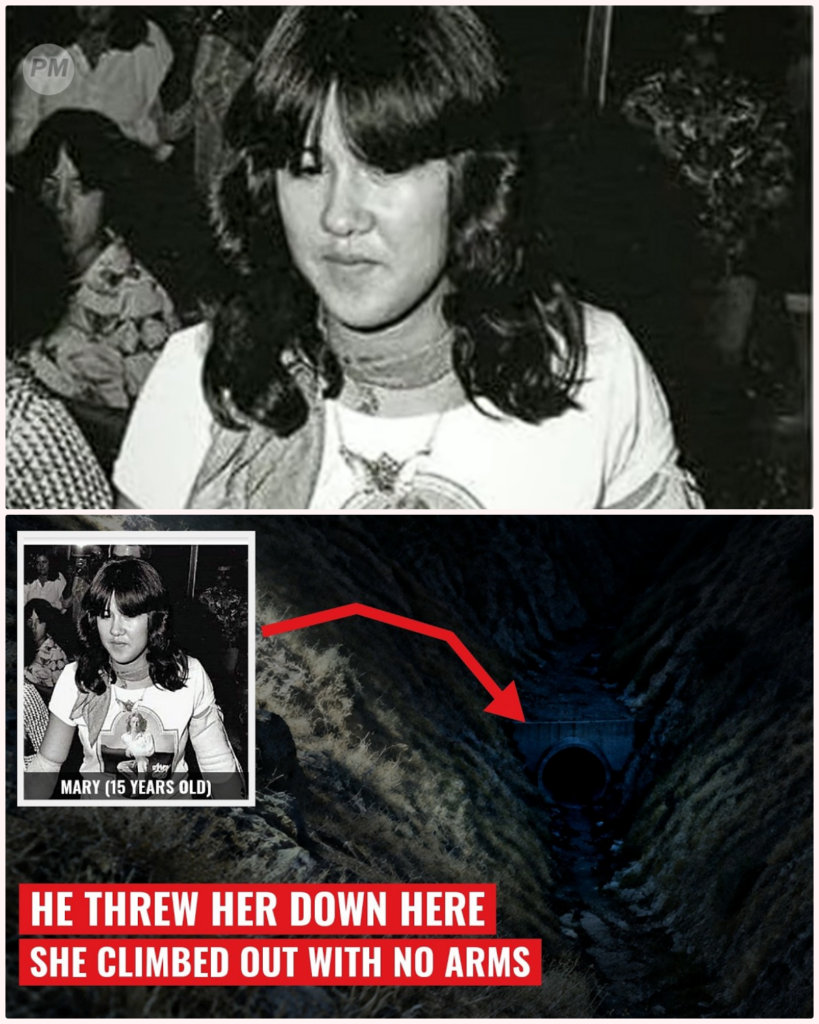
One morning at the end of September 1978, a girl w…
One morning at the end of September 1978, a girl walked along the edge of a road in the dry hills west of Modesto, California.
She was 15 years old. She had no clothes on. And she was holding both of her arms straight up in the air.
She had been walking like that for miles. The young couple who stopped for her that morning would remember it for the rest of their lives.
But the part of this story that should keep you up tonight comes later. Because the man who did this to her was caught.
He was convicted. And 8 years later, the state of California opened the prison door and let him walk out.
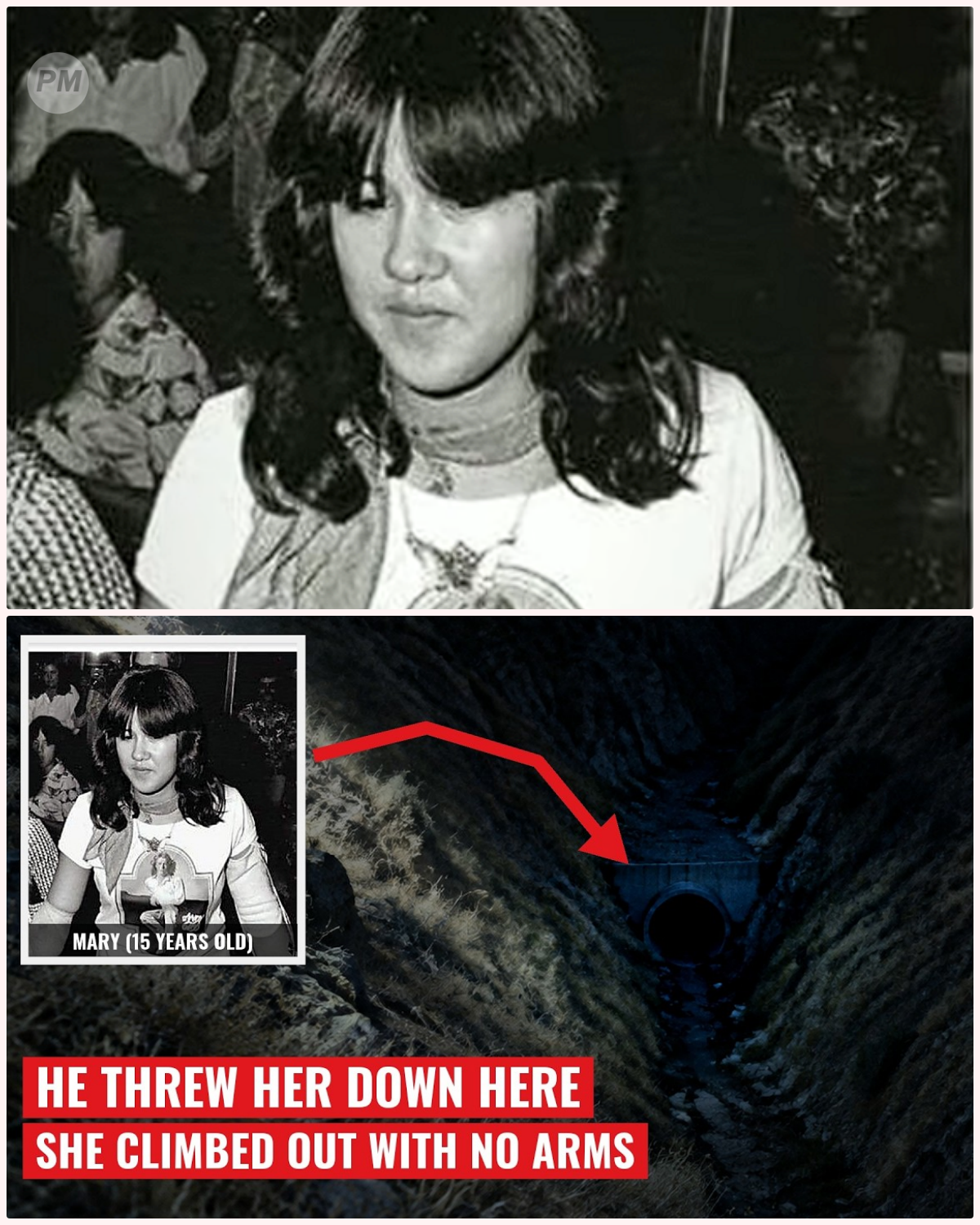
Her name is Mary Vincent. His name was Lawrence Singleton. This is the story of a girl who survived a night nobody should survive, climbed out of a culvert with no hands, and grabbed a police officer in the emergency room and told him to bring her a pen.
It is the story of the law that said 14 years was the most a judge could give him.
It is the story of town after town that rose up and refused to let him live there until the governor had to park him in a mobile home on the grounds of San Quentin.
>> [clears throat] >> By the end, you will hear the promise he whispered to her in a courtroom, the words he said to television cameras 19 years later, and the one sentence Mary said when it was all finally over.
And you will meet the woman who did not survive Lawrence Singleton, a mother of three in Tampa, Florida, who should never have crossed his path at all.
Mary Vincent was born in 1963 and grew up in Las Vegas, Nevada. Her mother dealt blackjack.
Her father was a mechanic who had served in the military. It was a Las Vegas family in every way, and Mary was a Las Vegas kid.
Quick, bright, restless, and above all, a dancer. She dreamed of becoming a professional dancer.
She had lived part of her childhood overseas in the Philippines. And there was one small thing she picked up there.
Something an adult told her once in passing about stopping bleeding with dirt. She did not think about it again for years.
It is going to matter. By the summer of 1978, the house in Las Vegas was falling apart.
Her parents were heading for divorce, and the fighting filled every room. Mary was 15.
She did what a lot of 15-year-olds in the 1970s did when home became unbearable.
She left. For a while, she lived rough. She slept in unlocked cars. She drifted.
She made her way north to the Bay Area, to Berkeley. And by late September, she had decided to head south again to her grandfather, who lived near Los Angeles.
In 1978, the way a broke teenager got from one end of California to the other was with her thumb.
It is hard to explain to anyone who was not alive then how normal hitchhiking was.
Kids did it to get to school. College students crossed whole states that way. There were warnings.
There were stories. But there was also a feeling that most people were decent. And that a ride was a small kindness strangers did for each other every day.
At the end of September, Mary stood by the road with two young men who were also trying to get a ride.
A blue van pulled over. The driver leaned out. He was older, heavy in his 50s with thinning hair and an easy way of talking.
He looked them over. He said there was only room for one. The girl. The van had no seats in the back, just an empty metal box.
Before Mary climbed in, the two young men pulled her aside. Years later, she recalled that the two young men warned her not to get in.
She got in anyway. She was 15. She wanted to get to her grandfather’s, and the man seemed harmless.
He told her his name was Larry. Lawrence Bernard Singleton had been born in Tampa, Florida in 1927.
He had spent much of his working life at sea as a merchant seaman. He had served in the military very with an honorable record.
He had been married. He had a daughter. He kept a second home in Nevada.
To anyone looking at him that afternoon, he was exactly what he seemed. A gray, tired, grandfatherly man doing a kid a favor.
As they drove, he drank. He kept liquor in a milk jug and sipped it while he talked.
Mary noticed. She did not say anything. Somewhere along the way, they stopped at a red light.
Much later after everything, Singleton would tell a prison psychiatrist something about that light that tells you how he saw himself.
He said that if the light had not turned red, maybe none of it would have happened.
As if it was the traffic signal’s fault. The van kept going, and after a while, Mary noticed something.
They had passed the turn for the interstate. He was heading the wrong way. What she did next tells you who Mary Vincent was at 15.
She did not freeze. She did not wait to see what happened. There was a pointed stick lying in the van, a surveyor stake, and she grabbed it.
She held it on him and told him to turn around. And he did. He apologized.
He said it was an honest mistake. He turned back towards the highway, and his voice stayed calm, and slowly the moment passed.
She put the stick down. That was the one chance she had, and he talked her out of it.
A few miles later, he pulled off the road. He said he needed to stop and relieve himself.
Mary got out, too, to stretch her legs, and she bent down to tie her shoe.
He came up behind her and hit her on the head. What happened over the next hours is a matter of court record, and I am not going to describe it to you in detail.

