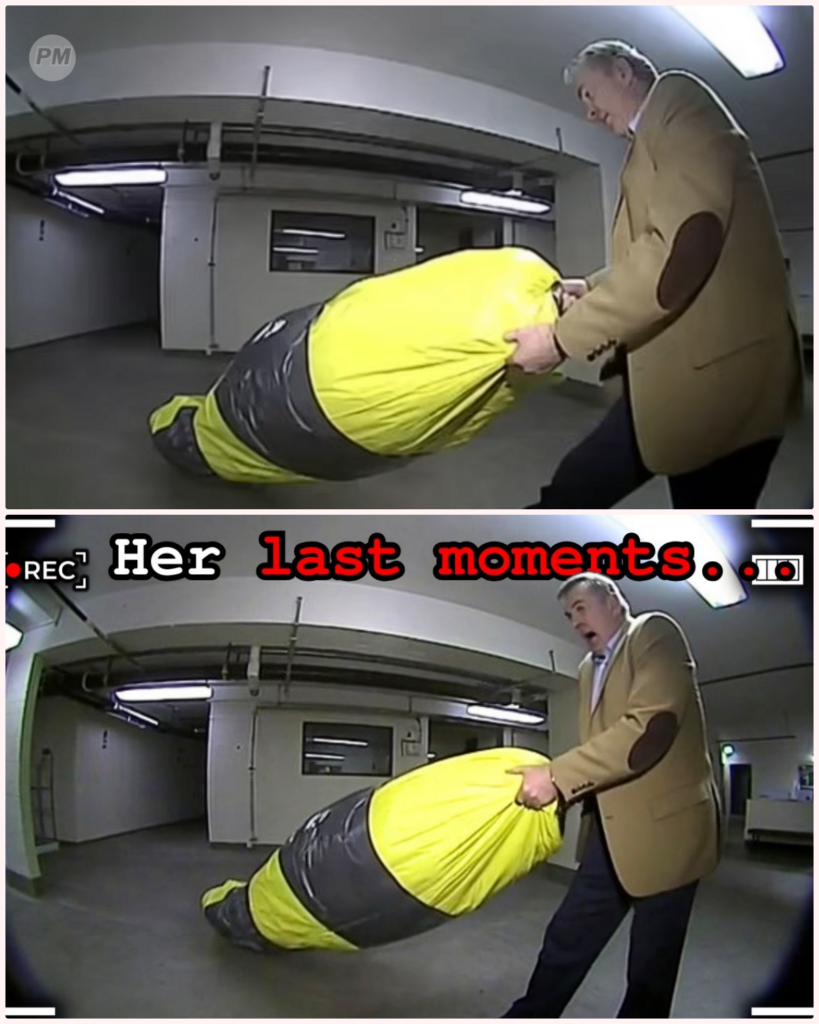
She had stopped pulling at the ropes
She had stopped pulling at the ropes. She lay on the mattress. She stared at the ceiling.
She thought about her mother, her students, her life outside this room. Her mother had reported her missing on September 12th, 2 days after she disappeared.
The police investigated. They checked her apartment. Her car was in the parking lot. Her phone was inside.
Her wallet, her keys. Everything except Layla. They interviewed her coworkers, her friends, her mother.
No one had seen her since September 10th. The last person she had contacted was Malcolm Nightshade.
An email. Saying she wanted to see him. Police interviewed Malcolm on September 14th. He said Layla had emailed him.
He said he had suggested meeting for coffee, but she had never shown up. He said he assumed she had changed her mind.
He seemed concerned, cooperative. He asked the detective to keep him updated. The detective believed him.
Malcolm was the principal of a high school, a pillar of the community. He had no criminal record, no history of violence, no reason to lie.
The case went cold. Meanwhile, in the basement, Malcolm’s behavior began to shift. He stopped withholding food.
He started bringing her meals, not just protein bars, real food, sandwiches, fruit. He even brought her a blanket, a pillow.
Layla did not understand. She did not trust it. Then one night, Malcolm brought something else.
A stack of papers. Old papers, yellowed, wrinkled. He sat down on the floor across from her.
He turned on the bare bulb. He spread the papers out in front of him.
They were her essays from 10 years ago, from his history class. Essays about the French Revolution, the fall of Rome, the Enlightenment.
Malcolm pulled out a red pen. He began reading aloud. Her words, her arguments, her analysis.
And then he started correcting them. Just like he had 10 years ago. Red marks across the pages, notes in the margins.
“This thesis is weak,” he said. “You need to be more specific. The French Revolution was not just about inequality.
It was about the failure of institutional trust.” Layla stared at him. She could not speak.
This was not real. This could not be real. Malcolm continued. Page after page, essay after essay.
He corrected her work as if they were back in his classroom, as if she were still his student, as if nothing had changed.
He did this for hours. When he finished, he stacked the papers neatly. He looked at her.
He smiled. The same smile he had given her 10 years ago when she stayed after class.
“You were always my best student,” he said. “You just needed guidance. You still do.”
He left. The door closed. Layla lay in the dark. She did not cry. She had no tears left.
She just stared at the ceiling and tried to remember who she was before this room.
The next night, Malcolm returned. But this time, he did not bring essays. He brought rope.
Different rope. Thicker. He retied her wrists. Tighter. She asked why. He said she had been pulling at the restraints.
He said she needed to stop fighting. She said she was not fighting. She was just trying to survive.
Malcolm said survival required compliance. He said she would learn that eventually. The nights began to blur together.
Sometimes Malcolm was kind. He brought her books. He read to her. He talked about history, about philosophy, about the students he taught now.
He spoke as if they were colleagues, as if she had chosen to be there.
Other nights he was cruel. He withheld food. He turned off the light and left her in total darkness for hours.
He told her she was ungrateful, that she did not deserve his kindness. Layla could not predict which version of him would appear.
And that unpredictability was worse than the captivity itself. She began to flinch when she heard footsteps.
She began to hold her breath when the door opened. She did not know if he would bring food or pain.
By the third week, Layla had stopped eating. Not because Malcolm withheld food, but because she could not.