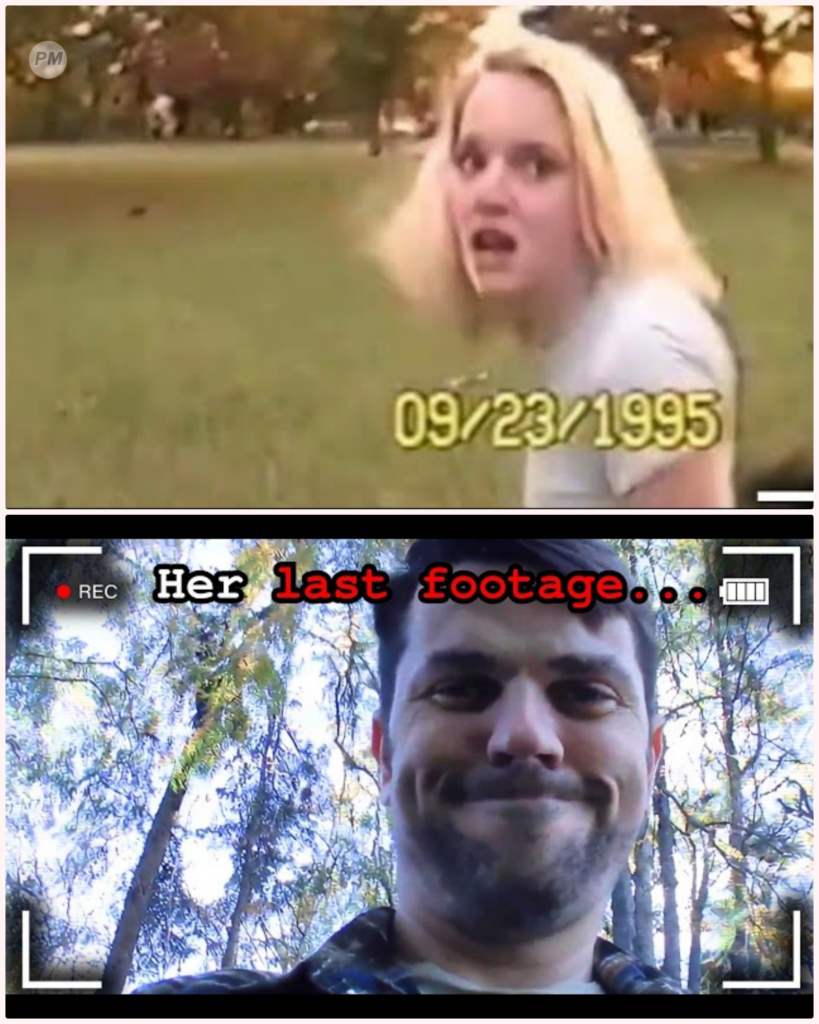
She arrived home at 6:45 p.m
She arrived home at 6:45 p.m. The front door was unlocked. She called Emily’s name.
No answer. She walked through the house. Emily’s backpack was on the kitchen table. Her notebook was open.
Her pen was lying across the page mid-sentence. Her shoes were by the front door.
Her jacket was hanging in the closet. Her wallet was in her bedroom. Her keys were on her desk.
Everything Emily would need to leave the house was still there, except Emily. Patricia checked the backyard.
She checked the garage. She walked to Margaret’s house. Margaret had not seen Emily. Robert had not seen her either.
He said he had been home all day working on his truck in the driveway.
He had not heard anything unusual. Patricia went back home. She called Emily’s friends. None of them had heard from her.
She called Thomas at the plant. He left work immediately. By 7:15 p.m., Patricia called the Spokane Police Department.
Officers arrived at 7:40 p.m. They searched the house. They searched the yard. They walked the neighborhood.
They knocked on every door within a three-block radius. No one had seen Emily leave.
No one had heard a scream. No one had noticed a strange car. No one had seen anything out of the ordinary.
Emily Garrison had vanished from inside her own home in broad daylight, and no one had any idea how.
The Spokane Police Department launched a full missing persons investigation on September 24th. Detective Frank Bowman was assigned to the case.
He was 52 years old. He had worked missing persons for 18 years. He had seen runaways, abductions, murders.
He knew the statistics. When a young woman disappears from her home with no signs of forced entry and no witnesses, the window to find her alive is small, 72 hours.
After that, the chances drop to almost zero. Bowman interviewed Patricia and Thomas. He asked about Emily’s friends, her boyfriends, her habits.
Patricia said Emily did not have a boyfriend. She had never dated. She had a few close friends from school, but she was not social.
She did not go out. She came home after school every day. Bowman asked if Emily had seemed upset recently, depressed, anxious.
Patricia said no. Emily was fine. She was looking forward to college. She was excited about her future.
Bowman asked if there had been any arguments, any conflicts. Patricia said no. Emily was easy.
She never caused problems. Bowman asked about family. Patricia mentioned her sister, Margaret, Margaret’s husband, Robert.
They lived two houses down. They saw Emily regularly. Bowman asked if there had been any issues.
Patricia hesitated. She mentioned that Emily had said she felt uncomfortable around Robert, but she said Emily was just shy.
She did not like being around people. Bowman made a note. He interviewed Margaret and Robert on September 25th.
Robert said he had been home all day on September 23rd. He had been working on his truck in the driveway.
He had seen Patricia leave for work in the morning. He had not seen Emily at all that day.
He did not hear anything unusual, no cars, no voices, nothing. Margaret confirmed Robert’s story.
She said they had been home together all day. They had watched television in the afternoon.
They had not left the house. Bowman had no reason to suspect them. The search expanded.
Volunteers combed Riverside State Park. Police searched the woods along the Spokane River. Divers checked the water near Minnehaha Rocks.
Search dogs were brought in. They tracked Emily’s scent to the end of the driveway.
Then, the trail went cold. Flyers were printed. Emily’s face was plastered on telephone poles across Spokane.
Patricia appeared on KREM 2 News. She begged for information. She begged for Emily to come home.
She said she would not be angry. She just wanted her daughter back. Tips came in.
All of them led nowhere. Someone thought they saw a girl matching Emily’s description at a bus station in Coeur d’Alene.
It was not her. Another caller said they saw Emily getting into a blue sedan near Gonzaga University.
The lead went nowhere. By October, the tips stopped coming. By November, the search teams stopped looking.
By December, the case went cold. Detective Bowman retired in 2003. The case stayed with him.
He told a reporter in 2008 that Emily Garrison was the one he could never solve.
He said he thought about her every year on September 23rd. Patricia never stopped looking.
She kept Emily’s room exactly as it was. The bed made, the books on the shelf, the Pearl Jam posters on the wall.
She called the police every few months. She asked if there were any updates. There never were.
Thomas struggled. The not knowing destroyed him. He developed high blood pressure, anxiety, insomnia. He would wake up in the middle of the night and walk through the house looking for Emily.
Patricia would find him standing in Emily’s room staring at her bed. In 2010, 15 years after Emily disappeared, Thomas died of a heart attack.