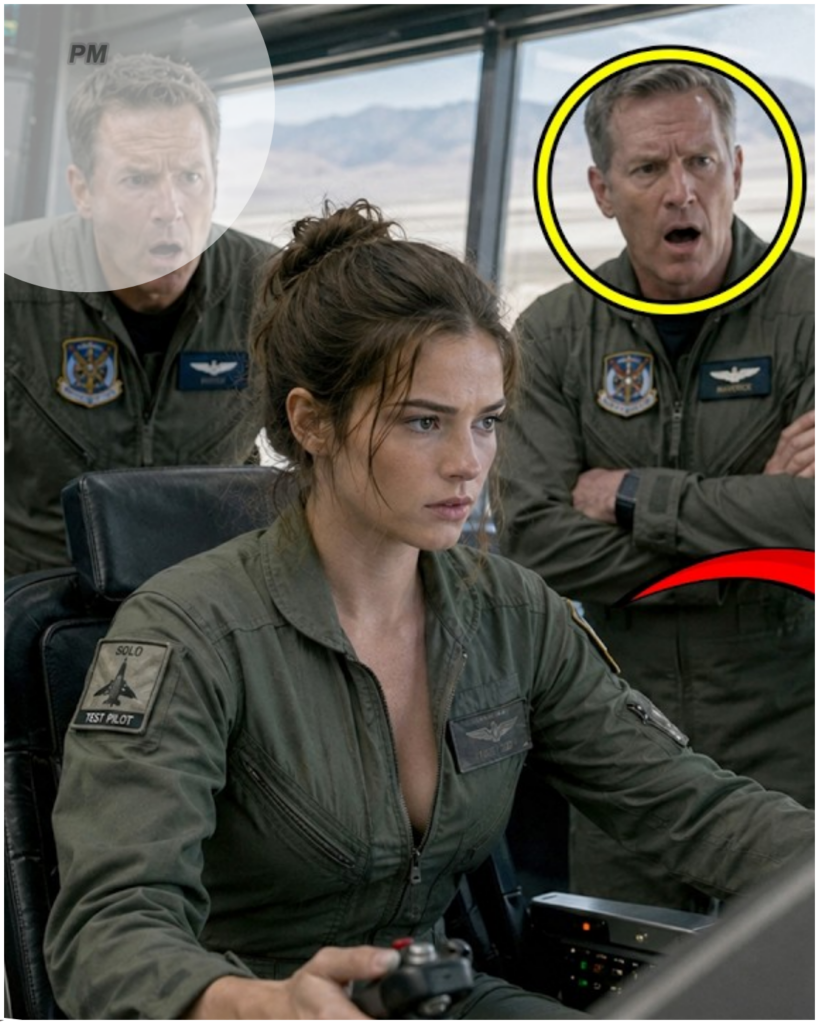
1 2 She felt the subtle, almost imperceptible clic…
1 2 She felt the subtle, almost imperceptible click in the simulator’s force feedback system.
She counted in the dark, and the dark was total. One. Two. There is a particular kind of silence that only exists inside a machine that has stopped talking to you, a silence that is not empty but full, full of the weight of the aircraft, full of the rush of air over skin that should not be there, full of the knowledge that you have just done something no manual has ever authorized.
Sarah closed her eyes beneath the visor and felt it all. She felt the heavy dead weight of the X-44 in the silence, felt the spin in her gut the way a sailor feels a wave, felt the subtle, almost imperceptible click in the simulator’s force feedback system that told her the computer was rebooting the backup gyro.
The hydraulic lock had disengaged. Four seconds. She had four seconds, and she had spent her whole career preparing for four seconds exactly like these without ever knowing it.
She moved. She exploded into motion, a violent blur of muscle memory and precision, and every hour she had ever spent in a cockpit came back to her at once.
She grabbed the stick and shoved it violently to the right, ignoring the searing pain in her ribs, ignoring the voice in her head that said this was too much input too fast.
Her left boot drove the rudder pedal to the floor, and her left hand hit the landing gear lever and forced it down.
The simulator groaned, and the virtual physics engine calculated the sudden, immense drag of the landing gear deploying at high speed, and the rig slammed to the right, throwing Sarah hard against her shoulder restraints.
The G-force compressed her chest until breathing felt like lifting a weight. She gritted her teeth, tasting blood where she had bitten her tongue, and she held the stick rigid, because holding it was the whole job now.
“Fight the panic,” she told herself. “Hold the drag.” It was the same thing she had told Cole, and it was the same thing she had told herself a hundred times in a hundred cockpits, and it had never once been wrong.
Ten seconds passed in absolute, agonizing silence in the bunker. No one breathed. Hayes stared at the black telemetry screen.
Harrison had gone the color of old paper. The technician at the back had his hand over his mouth.
Inside the sim, Sarah felt the rotation stop, felt it the way you feel a car stop skidding, a slow catch and then a hold, and the asymmetric drag had caught the air at last.
The nose dipped, converting the deadly flat spin into a steep conventional dive, and for the first time since the alarm had started, the aircraft was doing something a pilot could work with.
“Primary bus on!” She grunted, slamming the overhead switch back up, and the screens flared to life and the alarms screamed back into existence, and the stick was fluid under her hand again, alive in a way it had not been for hours.
She pulled back gently, milking the aerodynamics, feeling the virtual wings bite into the air, and the nose rose, and the horizon leveled, and the digital sky stopped spinning and held still.
She pulled the VR helmet off and tossed it onto the empty console, breathing heavy, sweat stinging her eyes, and she looked through the open canopy of the simulator at the main screen, where the telemetry feed flickered and stabilized and told her the truth she had bet everything on.
Altitude eight thousand four hundred feet. Status level flight. Hydraulics nominal. The computer was rebooting the backup gyro.
The hydraulic lock had disengaged. Sarah moved. She exploded into motion. A violent blur of muscle memory and precision.
She grabbed the stick and shoved it violently to the right, ignoring the searing pain in her ribs.
Her left boot stomped the rudder pedal hard to the floor. Her left hand slapped the landing gear lever down.
The simulator groaned. The virtual physics engine calculated the sudden, immense drag of the landing gear, deploying at high speed.
The rig slammed to the right, throwing Sarah hard against her shoulder restraints. The G-force simulators compressed her chest.
She gritted her teeth, tasting blood where she had bitten her tongue. She held the stick rigid.
“Fight the panic,” she told herself. “Hold the drag.” 10 seconds passed in absolute agonizing silence in the bunker.
No one breathed. Hayes stared at the black telemetry screen. Harrison looked like he was going to be sick.
Inside the sim, Sarah felt the rotation stop. The asymmetric drag had caught the air.
The nose dipped, converting the deadly flat spin into a steep conventional dive. “Primary bus on!”
Sarah grunted, slamming the overhead switch back up. The screens flared to life. The alarms screamed back into existence, but the stick was fluid.
She pulled back gently, milking the aerodynamics, feeling the virtual wings bite into the air.
The nose rose, the horizon leveled. She pulled the VR helmet off and tossed it onto the empty passenger console.
She was breathing heavy, sweat stinging her eyes. She looked through the open canopy of the simulator at the main screen.
The telemetry feed flickered, then stabilized. Altitude 8,400 ft. Status level flight. Hydraulics nominal. A ragged, heavy breath exploded over the comms.
It was Cole. He sounded like a man who had just breached the surface of the ocean after nearly drowning.
Groom Lake,” Cole gasped, his voice trembling so hard it distorted the microphone. I have I have positive control.
Gear doors are sheared to hell. But I’m flying. I’m flying. The bunker remained totally silent for three agonizing seconds.
Then the technician at the back let out a sharp, breathless laugh. The bunker remained totally silent for three agonizing seconds, and then the technician at the back let out a sharp, breathless laugh, and the sound of it broke the spell.
Sarah did not celebrate. She unbuckled her harness, her fingers trembling slightly, the only outward sign of the adrenaline crash, and she pushed herself out of the warm leather seat, her boots hitting the concrete floor with a heavy thud.
She walked past Hayes, whose mouth was slightly open, and she walked past Harrison, who was staring at her like she had just performed a miracle, and she picked up her bottle of black nail polish from the console and slipped it into her flight suit pocket and headed for the door.
“It wasn’t impossible,” she said to the room without turning around. “You just forgot how to fly.”
She did not wait to see their faces. She did not need to. She had done the job, and the job was over, and everything after this was paperwork and consequences.
The Nevada sun hit her like a physical blow the second she pushed through the heavy steel blast doors.
