What had happened to her is a pattern doctors call…
What had happened to her is a pattern doctors call a lucid interval, and it’s one of the more quietly devastating things that can happen to the human brain after a blow to the head.
When someone takes a hard impact to the side of the skull, it can tear a blood vessel running between the bone and the brain’s outer covering without causing any immediately obvious damage.
For a stretch of minutes or even hours afterward, the person can seem completely fine, sometimes even laughing it off, while the blood is quietly collecting in that narrow space and beginning to press on the brain underneath it without surgery.
That pressure builds until the person slips into unconsciousness and eventually their brain stops regulating basic functions like breathing.
It’s called an epidural hematoma and it explains exactly why Rosalie went from steady and reassuring to gone within a matter of hours with nothing anyone down in that cavern could possibly have done differently.
Corrine spent the rest of Saturday night and all of Sunday, October 13th trapped beside her best friend’s body, cold, wedged, and entirely alone.
She called up toward the trail again and again throughout that day, but the notch saw very few hikers that cold October weekend and nobody passed close enough to hear a voice coming up from under the rocks.
The headlamp Kira had left them was growing weaker, too, and Corrine switched it off for long stretches to save what was left of it.
She could reach Rosalie’s phone on the rock shelf next to her and on Sunday morning she used it to record herself crying explaining that it had been all night and Kira still hadn’t come back.
She turned the camera briefly toward Rosalie, who was already dead, and said she was sorry for climbing down in the first place.
Later that same day she recorded one final, much weaker clip, just a few messages for her parents, her breathing audibly shallow by then since the fall.
Corrine had kept some of her weight off her chest by bracing her forearms on top of the rock.
Through that Sunday the cold inside the cavern slowly drained the strength she needed to hold that position.
Each time her arms gave out her body sank a little lower into the narrowing crack and the stone closed tighter around her ribs.
To breathe, the chest has to expand and hers had less and less room to do it.
Her breaths grew shorter and shallower, the oxygen in her blood dropped, and eventually she slipped into unconsciousness.
She died on the second night sometime between Sunday night, October 13th, and the early hours of Monday, October 14th.
The medical examiner’s office closed out all three findings within the same week. Rosalie Dunbar’s death was ruled consistent with an epidural hematoma from blunt force injury with a fractured ankle as a secondary finding, a combination that would have required emergency surgery she had no way of reaching.
Kerri Ann Haverty’s death was ruled consistent with positional compression asphyxia with hypothermia as a contributing factor.
The bruising and abrasions across her chest and back matching the shape of the rock she’d been wedged against for nearly two days.
Kira Lynn Quist’s death was ruled a result of hypothermia with exhaustion and inadequate food intake over six days as contributing factors.
All three deaths were ruled accidental and nothing in the physical evidence, the phones, the notebook, or the scene itself ever suggested otherwise.
Dale Searles later said in an interview that during a search for a different lost hiker in Maine years earlier, a colleague of his had pointed out that something like 98% of lost hikers in that state are found within 24 hours.
It’s a statistic wardens rely on to stay hopeful on most calls and it’s exactly why this case unsettled him the way it did.
Three experienced young women, two of them never more than a few dozen feet from the marked trail the entire time, had slipped through nearly every version of that statistic at once.
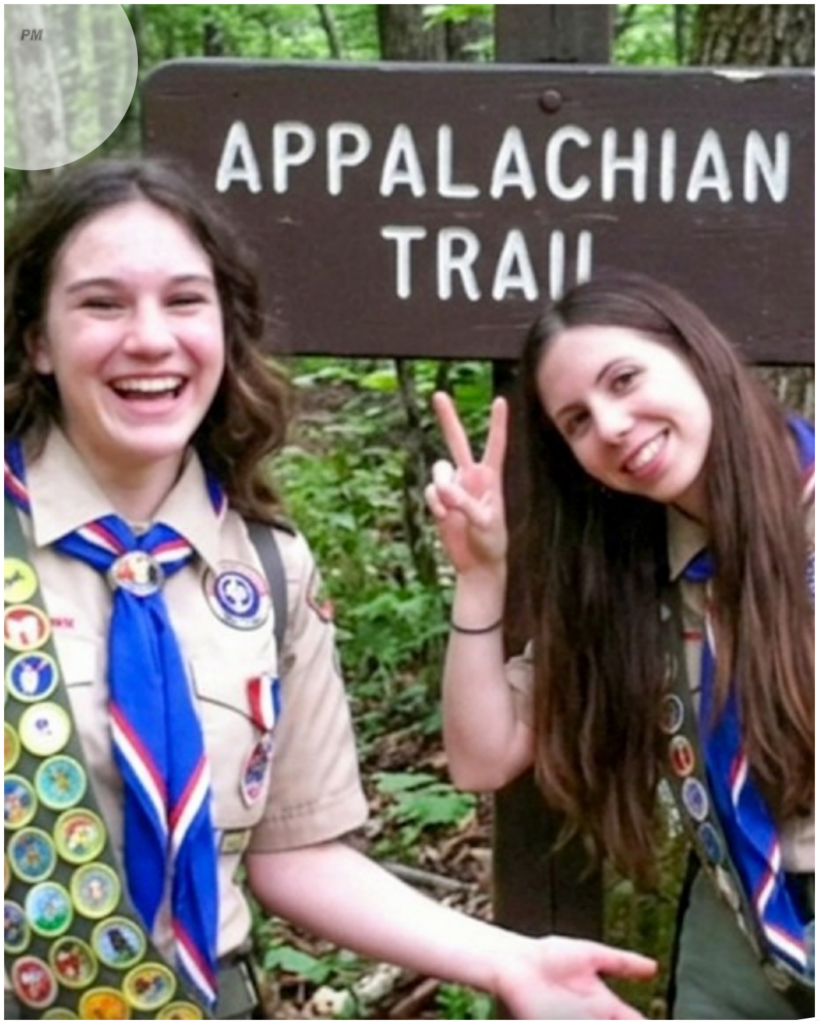
Their old troop leader was interviewed during the investigation and she told Dale about the ice cave she had described to the girls when they were 14 years old and said she had no idea telling three teenagers about cold air and hidden ice in a gorge on a canceled trip that she had planted the exact image that would eventually cost all three of them their lives.
What stays with me about this case is that the choices that cost these three girls their lives were the same ones that had held their friendship together for 13 years.
It was loyalty playing out in a place where loyalty alone was never going to be enough.
>> Mhm.