Pay attention to this footage
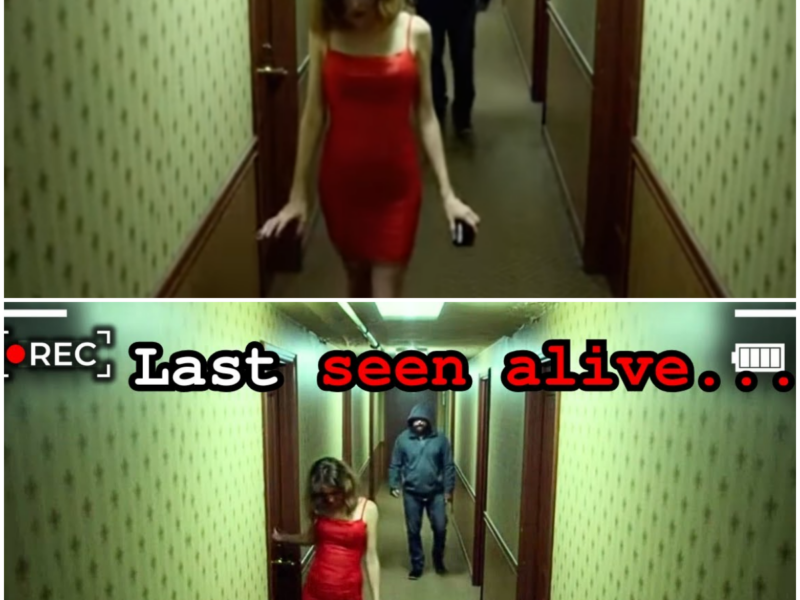
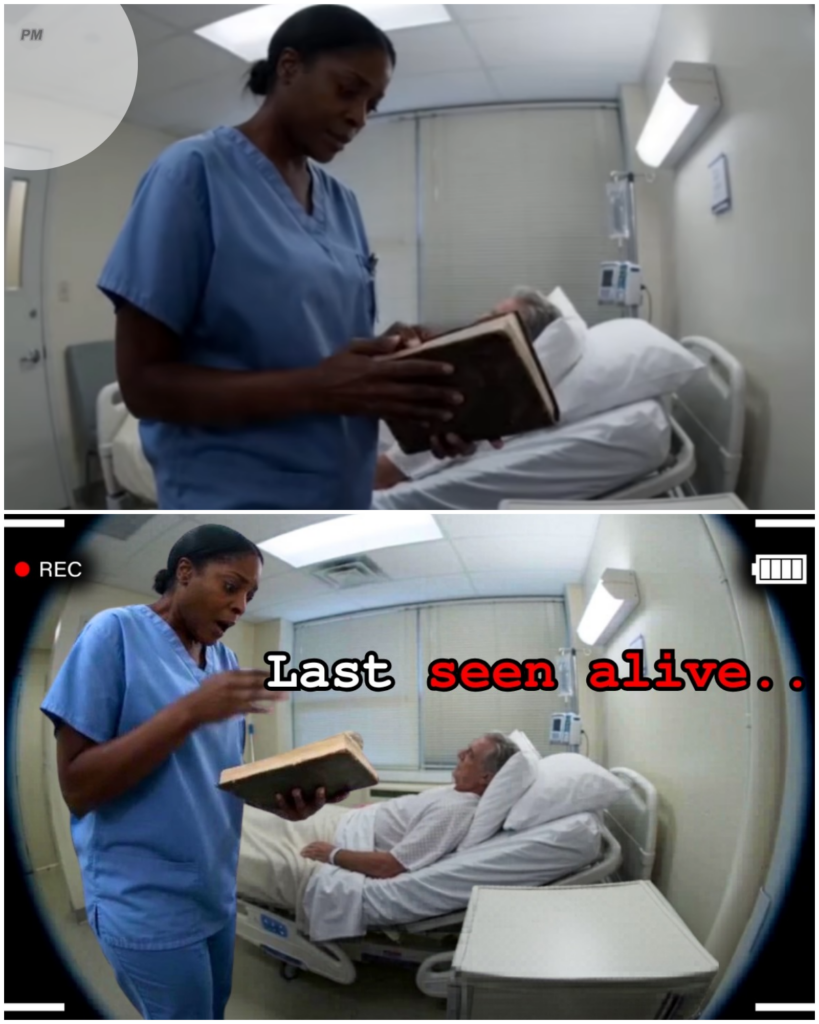
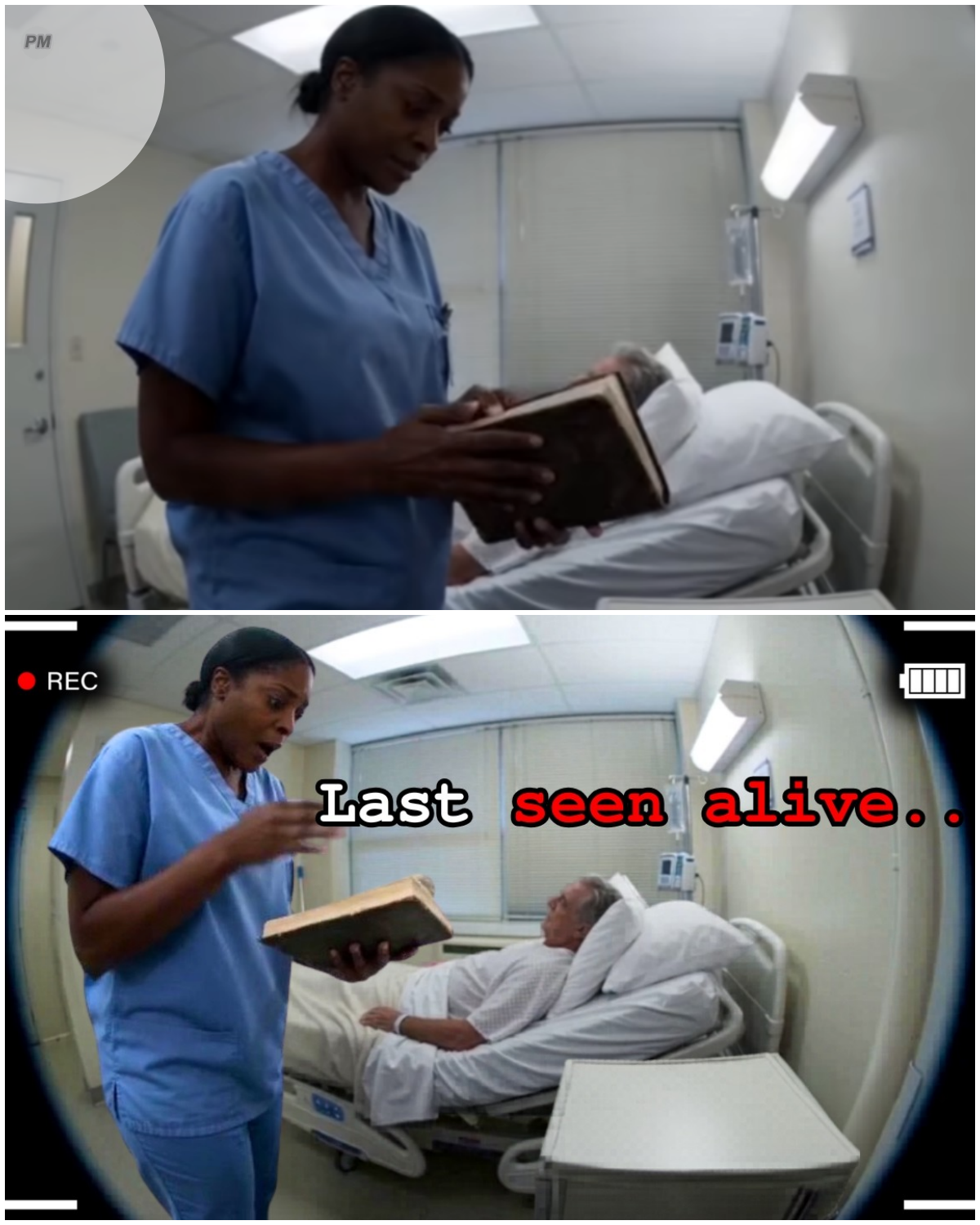
Pay attention to this footage. It was recorded at 2:17 in the morning inside room 114 of Saint Francis Medical Center in Tulsa, Oklahoma.
A nurse enters. She picks up a journal from the nightstand. She reads. 71 hours later, Deja Holloway vanished.
No withdrawn savings, no packed bags, no goodbye. Her phone was on her kitchen counter.
Her car was in the parking lot. Her keys were inside. Her next shift started in 4 hours.
She walked out of her apartment on a Tuesday morning in Tulsa, Oklahoma and no one has seen her since.
The Tulsa Police Department opened a missing persons investigation within 24 hours. It remains open to this day.
The family of the man whose journal she read that night has maintained from the first moment investigators knocked on their door that they have absolutely no idea what happened to her.
Investigators have never believed them. This is the story of Walter Gaines, of what he built in this city for 30 years, of what he stole, of what his children knew, and of the night nurse who read something she was never supposed to read and vanished before she could tell anyone what was in those pages.
Tulsa, Oklahoma is not a city that makes national headlines often. It sits in the northeastern corner of the state, built on oil money and civic pride, and a history it has spent decades trying to reconcile with.
It is the kind of place where reputation moves fast, where a man’s name, if he is tended to it carefully enough, opens doors that money alone cannot.
Walter Gaines had tended to his name for 30 years. By the time he turned 60, he was the kind of man that Tulsa’s civic infrastructure quietly depended on.
Composed, well-dressed in the understated way of men who have never needed to prove anything through clothing, he ran a mid-size commercial real estate firm whose name appeared in the footnotes of half the development projects in the city’s recent history.
He sat on two hospital boards. He had been a deacon at his church for 11 years.
His wife, Carol, had died 4 years earlier. Ovarian cancer. 8 months from diagnosis to burial.
And the people who knew Walter said the loss had changed him in ways that were hard to name.
Not dramatic, not visible, a gradual dimming as if someone had turned a dial down by a degree and never turned it back.
Their two children, Preston and Courtney, had not stayed close after Carol died. Preston had moved to Dallas for work and visited less and less after the funeral.
Courtney lived in Tulsa, but had built a life with little space in it for her father.
Calls became infrequent. Holidays became negotiated. The distance was never discussed openly because in families like the Gaines family, distance is never discussed openly.
Walter lived alone in the house he and Carol had shared for 26 years. He kept the garden the way she had kept it.
He walked the same route on Sunday mornings. He was, by every external measure, a man at peace with what remained of his life.
In January of the following year, he began losing weight. He told no one for 6 weeks.
12 years before his diagnosis, Walter Gaines had established the Gaines Family Foundation. The foundation’s mission was straightforward.
Fund educational programs for children in Tulsa’s lower-income zip codes. After school tutoring, summer reading initiatives, classroom supplies for underfunded schools in the north and east of the city, neighborhoods where the gap between what the district provided and what children actually needed had been wide for decades and showed no sign of narrowing.
The foundation operated with an annual budget between $380,000 and $510,000 drawn from Walter’s personal contributions, a network of civic donors, and an annual fundraising gala that had become one of the quieter fixtures of Tulsa’s charitable calendar.
It was not large by philanthropic standards. What it lacked in scale, it made up for in visibility.
Program directors from local schools spoke about it at community meetings. A wall inside the foundation’s small office on 41st Street displayed photographs of refurbished classrooms, children at summer reading camps, supply drives that had reached over 1,200 students in a single year.
Walter was the foundation’s executive director. He managed the accounts. He approved disbursements. He filed the annual reports with the state.
For 11 years, no one looked closely at the numbers. The pancreatic cancer diagnosis came in January, stage three.
His oncologist delivered the prognosis with the careful precision of someone who has done this many times and has never found a way to make it land softly.
The treatment options were limited. The timeline was measured in months, and the upper end of that range was optimistic.
Walter received this information alone. He did not call Preston. He did not call Courtney.
He sat with the diagnosis for 11 days before his children found out, not because he told them, but because his physician’s office had an emergency contact on file.