Nah's message at 4:08
Nah’s message at 4:08. Morgan’s unanswered calls. Grant’s claim of departure. The 634 conversation about a bus arrangement.
The ticket purchased at 651. The later message presenting that purchase as Nah’s own plan.
The sequence made it possible to see the story being assembled in response to questions.
The defense emphasized the years Grant had spent raising Nenah and asked jurors to view the death as a terrible loss of control during a family confrontation.
The prosecution did not need to deny every good thing he had ever done. The issue was what he did that afternoon and what he did afterward to keep the people searching from reaching her.
Morgan testified about offering to collect her. She had replayed that offer so many times that she knew exactly where the phone had been resting on the coffee shop table when she sent it.
She was asked whether Nenah had said she feared for her life before the visit.
Morgan said no. Nah believed Grant owed her an explanation. She had expected anger, evasion, perhaps another argument.
She had not expected him to kill her. Her aunt described the role he had held in the family.
He was the person trusted with documents, appointments, and signatures. The same access that let him help a child through school later let him misuse the identity of the adult she became.
Nah’s trust had a history. So did his ability to exploit it. Grant was convicted of murder and of offenses connected to the false borrowing.
He received a lengthy prison sentence that ended his freedom. The financial issues attached to Nah’s name still required work after the criminal case.
Her aunt and the professionals assisting the estate gathered the records needed to challenge obligations created without her approval.
The process outlasted the funeral, the first birthday without her, and the trial. Letters continued to arrive with Nenah’s name above amounts she had never agreed to pay.
Her aunt kept them in a folder. Each one another task Nah had expected to handle herself.
Eventually, the disputed records were addressed, but nobody described that as Nenah getting her future back.
The future had been the apartment, the course, the better paying job, the ordinary freedom of deciding where her earnings went.
Morgan helped clear the apartment. They found the work shoes beside the door and a reminder on the refrigerator about the certification deadline.
Nah had circled the date twice. Inside a drawer was a photograph of Grant holding the back of her bicycle when she was little.
Morgan handed it to Nah’s aunt without deciding what should happen to it. Her aunt kept it with the family photographs.
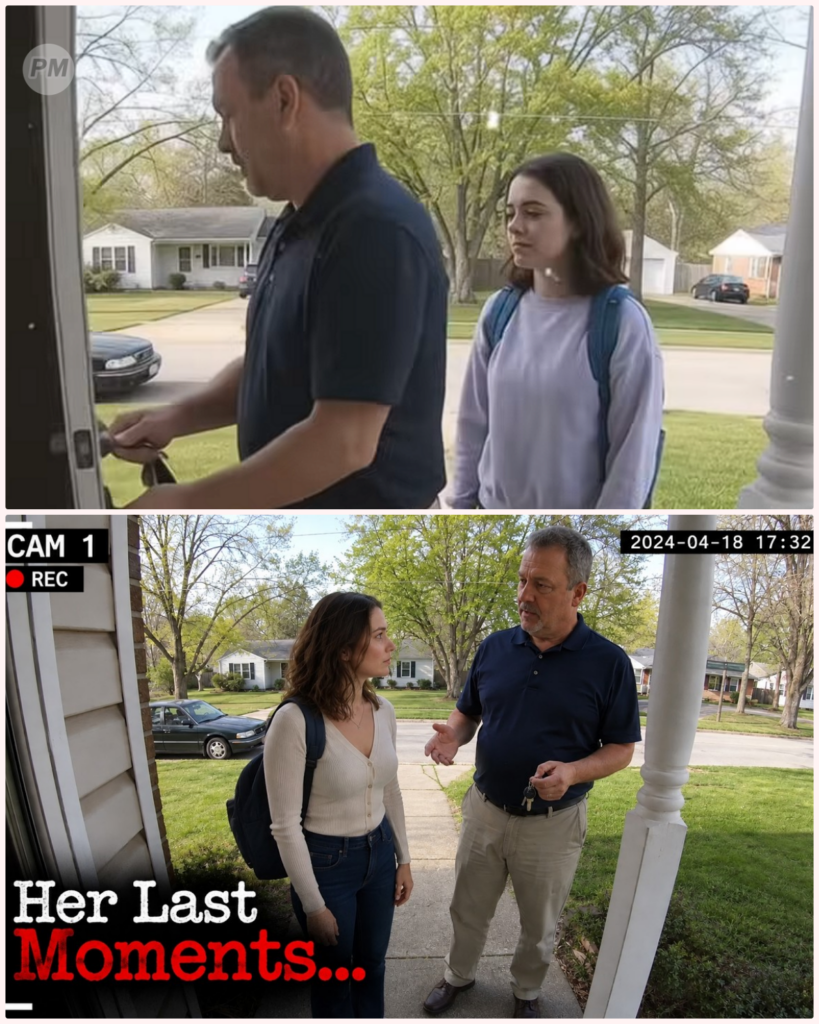
It recorded something that had happened. So did the doorbell clip of the last visit.
Keeping one did not undo the other, and throwing it away would not make the betrayal easier to explain.
The unused bus ticket remained in the case file. For 2 days, it had been offered as proof that Nenah wanted to leave everyone behind.
In the end, it showed how her stepfather tried to borrow one more thing that belonged to her.
The right to say what she had chosen. Her last message survives in Morgan’s phone.
It doesn’t name a destination or ask anyone not to look for her. It says she is getting her documents and going.
She had decided to leave that house. He did not let