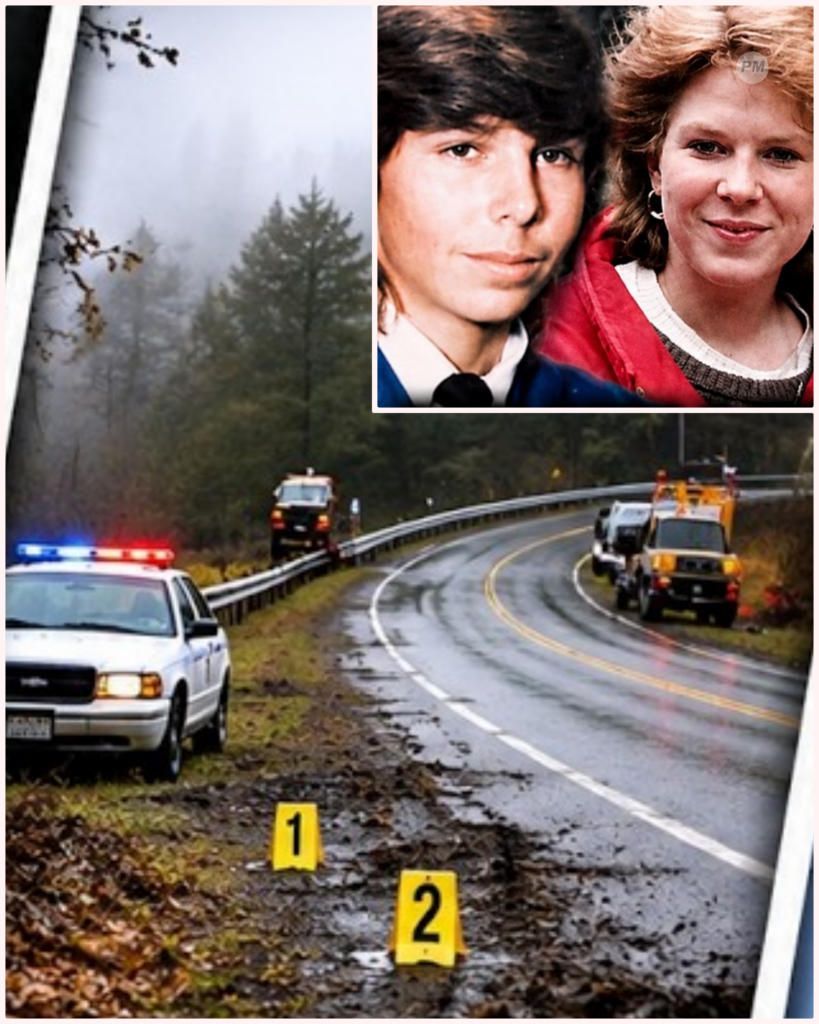
During jury selection, a woman known as juror 40 h…
During jury selection, a woman known as juror 40 had said she wasn’t sure she could be fair.
She said she had experience with violence against women. As a mother, she said, a flood of emotion might cloud her judgment.
The defense asked the judge to dismiss her. The judge refused, and she sat on the jury.
The appeals court said she should have been excused. It wrote that she had expressed actual bias about the precise nature of the allegations and was never sufficiently rehabilitated.
It ordered a new trial. The families were stunned. A new trial have meant reliving everything with no guarantee of the same result.
Prosecutors appealed to the Washington Supreme Court, and on December 22nd, 2022, the state’s high court reversed the reversal.
The question before the court was narrow. Could a defendant appeal the seating of a juror when his own lawyers had a peremptory challenge available and chose not to use it?
The court said, no. Talbot’s attorneys had accepted the jury, including juror 40. Under longstanding precedent, a party that accepts a jury without using all its peremptory challenges cannot later appeal based on the composition of that jury.
The guilty verdicts were reinstated. Talbot remains in the Washington State Penitentiary in Walla Walla.
The Talbot case changed American law enforcement. It was the first to go before a jury, so it was the first real test of whether forensic genealogy could hold up in court.
It did. Since 2018, authorities across the country have used the technique to solve hundreds of cold cases, including murders and sexual assaults from decades ago.
Privacy advocates have raised serious questions about how police use public DNA databases and whether people who upload their DNA for family history understand how it might be used.
John Van Kylenbork has said that if there need to be rules, that’s acceptable. But he believes society owes an obligation to victims like his sister and to itself to use the tool.
In his view, it can both solve crimes and deter them. Before we go, if this story stayed with you, please like and subscribe.
We bring you new crime and cold case stories every week because every victim deserves to be remembered.
Tanya Van Kylenbork wanted to work with animals. Jay Cook was a gentle giant who loved boats and music.
They were 18 and 20 years old, and they were just beginning their lives. For 31 years, their families waited.
A detective read a news story. A genealogist built a tree, and a name that no one had ever considered came out of a cousin’s cheek swab.
We tell the stories of the victims who were forgotten and of the people who refused to let them stay that way.
The next case is already waiting.
