Why Trapper John Left MAS*H After Just Three Seasons
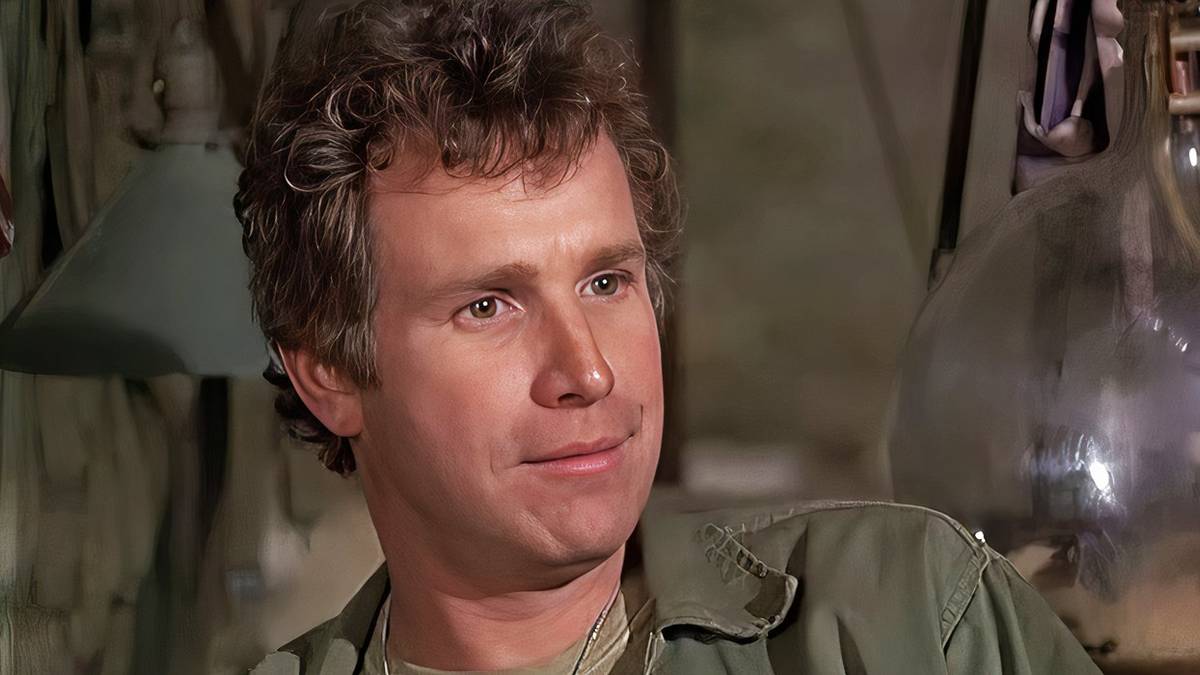
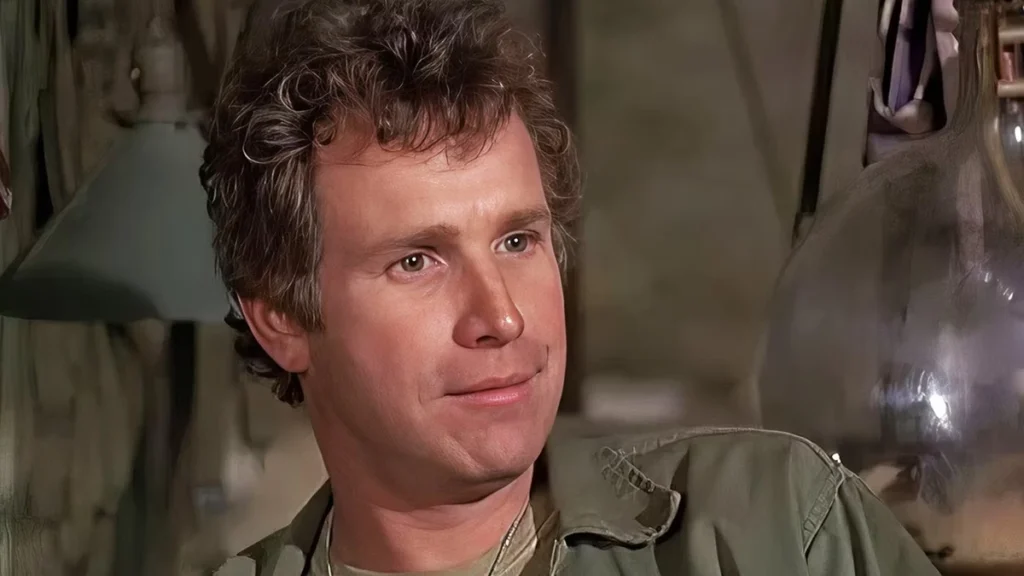
Trapper John McIntyre seemed like a character MAS*H could never afford to lose. Played by Wayne Rogers, he was Hawkeye Pierce’s tentmate, fellow surgeon, drinking partner, and closest friend through the show’s first three seasons. Together, Rogers and Alan Alda gave the 4077th its fast-talking, rule-breaking comic rhythm.
Yet when the fourth season began, Trapper was simply gone. There was no emotional farewell episode, no final speech in the operating room, and no last drink in the Swamp. Hawkeye came back from leave and learned that his best friend had already been discharged.
Behind that abrupt exit was a mix of broken promises, creative frustration, disputes over money, and one unsigned contract that gave Rogers a clean way out.
Hawkeye’s Original Equal
When MAS*H premiered in 1972, it was built as an ensemble comedy about doctors trying to stay sane during the Korean War. Hawkeye and Trapper were meant to stand at the center of that ensemble as partners. They shared the Swamp, mocked military authority, chased nurses, drank homemade gin, and battled Frank Burns and Margaret Houlihan whenever camp rules became too rigid. On paper, the two rebellious surgeons were almost interchangeable.
Rogers had originally considered reading for the part of Hawkeye, but Trapper appealed to him more. He saw the character as warmer and a little less cynical. He also came into the series believing that Trapper and Hawkeye would be roughly equal in importance.
In the earliest episodes, that balance was still there. Rogers and Alda had natural timing together, and their scenes rarely looked like a star dragging along a sidekick. They felt like two old friends who had survived too many nights in surgery and knew exactly how to make each other laugh.
But audiences quickly gravitated to Alda’s Hawkeye. The writers began giving him more of the best jokes, the emotional scenes, the speeches, and the storylines. Trapper remained popular, but the balance Rogers had expected started slipping away.
Trapper Starts to Fade
The problem wasn’t simply that Alan Alda became famous. Rogers and Alda genuinely liked each other, worked well together, and remained friends. Rogers’ frustration was with how his own character was being used.
Hawkeye gradually became the clear center of the show. He was the doctor who most often confronted military hypocrisy, comforted frightened patients, challenged commanding officers, and delivered the episode’s final emotional point. Trapper was increasingly left to agree with Hawkeye, hand him a drink, or help carry out one of his schemes.
Rogers’ manager later put it bluntly: there was little reason for Rogers to spend all day on set just to mix a martini and hand it to Alda.
The imbalance was especially frustrating because Trapper had qualities that could have set him apart. In the original novel and the film, Trapper was particularly skilled at chest surgery. Rogers believed that specialty could have created stories that belonged to his character alone. Instead, the series often blurred the difference between the two doctors, and when Hawkeye was also shown handling chest cases, another piece of Trapper’s identity disappeared.
Rogers wasn’t just asking for more screen time. He wanted Trapper to have a reason to be there beyond serving as Hawkeye’s agreeable companion.
Promises and Paperwork
Creative dissatisfaction was only part of the story. Rogers also had complaints about the business side of the show. Years later, he said promises about billing, percentages, profits, and money never materialized. From his point of view, he had been hearing reassuring words from the start without ever seeing the deal he believed had been discussed.
The contract itself became one of the strangest parts of the story. Rogers had objected to language in the proposed agreement, including what he called an old-fashioned morals clause. The contract was never properly completed, but production went ahead anyway. For three seasons, Rogers appeared on MAS*H without a signed long-term agreement binding him to the series.
That oversight became crucial when he finally decided he’d had enough. The studio reportedly believed it could pressure him into returning, and later pursued a multimillion-dollar breach-of-contract claim. But there was one big problem with that strategy: it’s hard to force someone to honor a contract he never signed.
Walking Away
Rogers made his decision between the third and fourth seasons. He was leaving a hit show just as it was becoming one of the most respected programs on television, and it wasn’t an easy time to go. Many actors spend their whole careers hoping for a role as popular as Trapper John. Rogers knew that leaving could cost him steady work, money, and visibility.
Still, he believed staying would only deepen his unhappiness. He had been led to expect something close to a co-starring role, but the series was moving firmly toward Hawkeye as its central figure. He could accept that, or leave while he still had the freedom to choose.
His exit was sometimes described as a rivalry with Alda, but that misses the point. Rogers wasn’t demanding that Hawkeye become smaller. He wanted Trapper to become fuller.
He never regretted the decision. When asked about leaving, Rogers said, “I’d have regrets if I hadn’t left.” For him, protecting his freedom mattered more than staying attached to a famous show where he felt underused.
The Goodbye That Never Happened
Rogers’ last filmed appearance came in the third-season finale, “Abyssinia, Henry.” The episode was designed as Henry Blake’s farewell, not Trapper’s. Henry received his discharge, said goodbye to the camp, and headed home. The episode ended with Radar’s devastating announcement that Henry’s plane had been shot down over the Sea of Japan. Trapper was there for that unforgettable final scene in the operating room, but viewers had no reason to think they were seeing him for the last time too.
When the fourth season opened, Hawkeye returned from rest and relaxation to discover that Trapper had already received his orders and left Korea. Hawkeye raced to the airfield hoping to catch him, but arrived too late.
That abrupt departure wasn’t a bold creative choice. Rogers was already gone, so the writers had to explain Trapper’s absence without showing him. Still, the missed goodbye became part of the sadness surrounding the character.
Mike Farrell joined the cast as B.J. Hunnicutt, a very different kind of friend for Hawkeye. B.J. was married, devoted to his family, and generally less reckless than Trapper. The replacement worked precisely because the producers didn’t simply hire someone to imitate Rogers.
Life After the 4077th
Leaving MAS*H didn’t end Wayne Rogers’ television career. He soon starred as a private detective in City of Angels, and later found another medical comedy, House Calls, opposite Lynn Redgrave. House Calls became a ratings success, though Rogers eventually left that show too after another contract and salary dispute. He clearly remained willing to walk away when he felt a working arrangement had become unfair.
Rogers also built an unusual second career outside acting. He became a successful investor, businessman, and financial commentator. Long after Trapper left the 4077th, viewers could find Rogers on television talking about markets and money.
MASH ran for eight more seasons without him, becoming a more dramatic series centered heavily on Hawkeye. Rogers’ departure didn’t sink the show, but it did close its first chapter. The early seasons had a loose, rowdy chemistry built by Hawkeye, Trapper, Henry, Radar, Frank, Margaret, and the rest of the original cast. When Rogers and McLean Stevenson both left, that version of MASH disappeared almost overnight.
Trapper’s exit may have been sudden, but the reasons behind it had been building since the first season. Wayne Rogers had signed on to play an equal, and he no longer wanted to stay on as someone else’s sidekick.