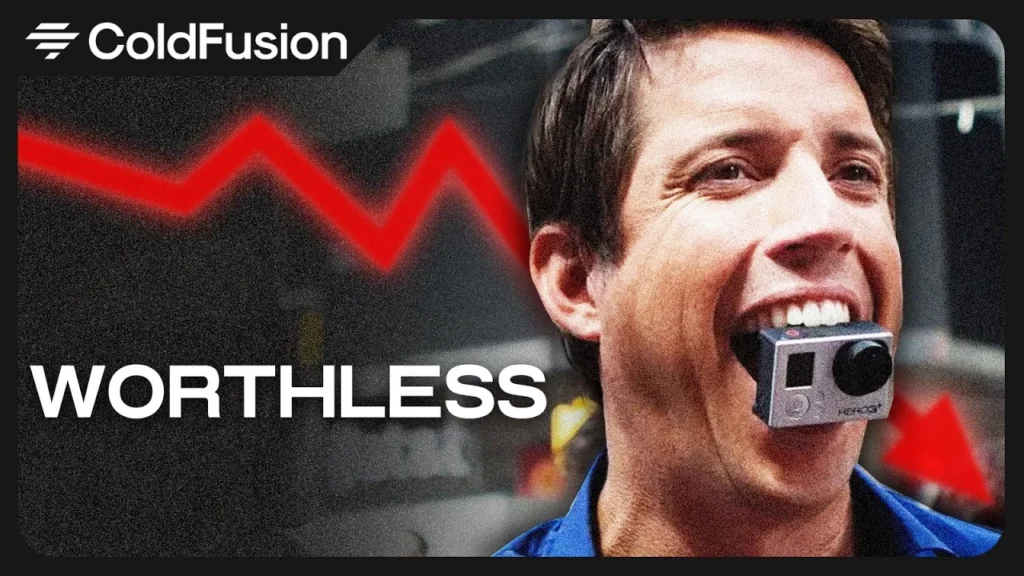
GoPro Lost Nearly 98% of Its Value — Now Its Unexpected AI Pivot Could Change Everything
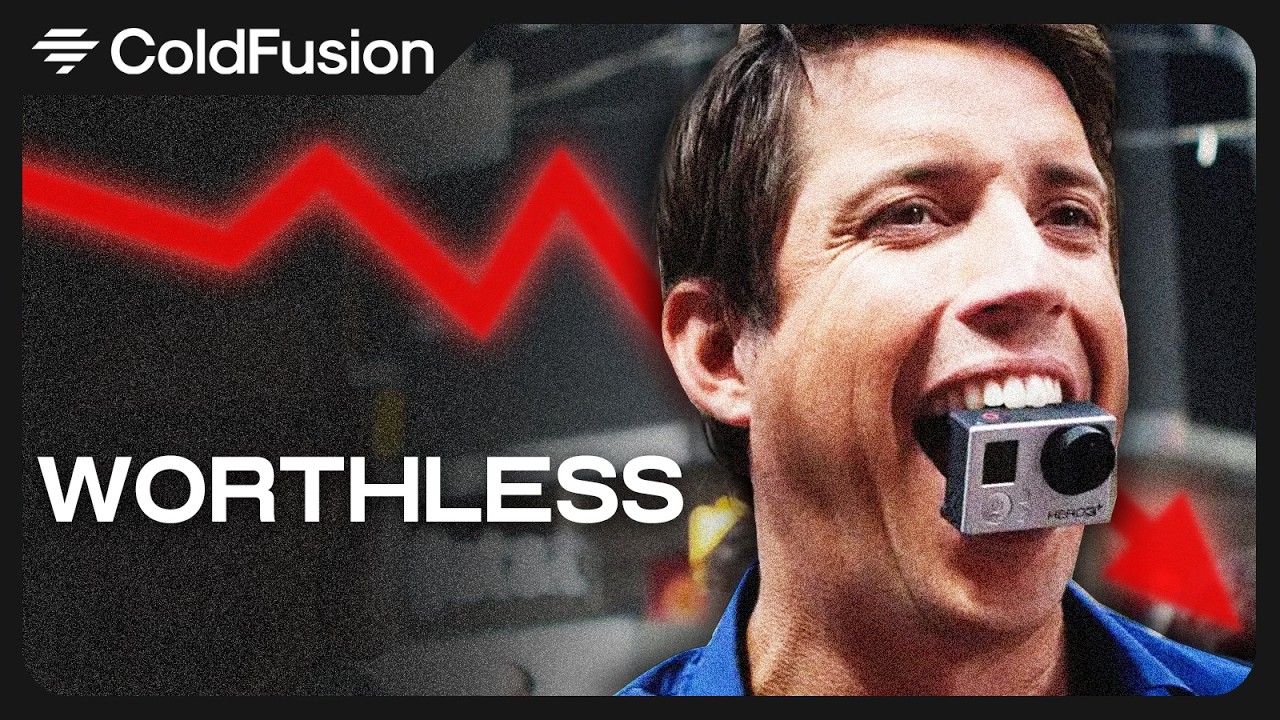
GoPro once seemed unstoppable.
Its cameras traveled to the edge of space, accompanied professional athletes into extreme environments, and helped ordinary people capture extraordinary moments.
At its peak in 2014, the company was valued at approximately $12 billion.
Yet over the following decade, GoPro experienced a dramatic decline that left investors questioning whether one of the world’s most recognizable camera brands could survive.
The company that helped define action photography faced falling sales, increasingly capable competitors, and a business model that struggled to encourage customers to upgrade.
By 2026, its future appeared increasingly uncertain.
Then an unexpected development involving YouTube creator Markiplier, a proposed merger, and artificial intelligence brought GoPro back into the headlines.
The story began in 2002 when entrepreneur Nick Woodman traveled to Australia and Indonesia on a surfing trip.
Woodman wanted to capture photographs of himself riding waves without relying on professional photographers.
Existing equipment was expensive, inconvenient, or unsuitable for the conditions.
He recognized an opportunity to create an affordable camera that athletes could attach to their bodies.
The original GoPro concept was remarkably simple.
Woodman initially developed wrist-mounted cameras and sold inexpensive film-based equipment.
His family helped finance the venture, while he and his girlfriend raised additional money selling necklaces.
The business gradually evolved from a niche surfing accessory into a recognizable consumer electronics brand.
Its major breakthrough arrived with the HD Hero camera in 2009.
The timing was exceptional.
YouTube was expanding rapidly, and audiences were becoming fascinated by first-person footage of surfing, skiing, cycling, and extreme sports.
GoPro cameras allowed enthusiasts to record experiences that previously required specialized filming equipment.
The resulting videos became powerful advertisements for the products themselves.
Every spectacular clip encouraged more people to purchase cameras and create their own footage.
Revenue climbed from approximately $60 million in 2010 to more than $1.5 billion in 2015.
GoPro had become synonymous with an entire category of technology.
Investors responded enthusiastically.
In June 2014, the company went public on the Nasdaq under the ticker GPRO.
Its initial public offering priced shares at $24.
Within months, enthusiasm pushed the stock toward $100, giving GoPro a valuation approaching $12 billion.
But beneath the excitement was a structural problem.
Unlike smartphones, action cameras did not necessarily require frequent replacement.
A customer who purchased a reliable GoPro could continue using it for years.
As the market matured, attracting entirely new buyers became increasingly difficult.
Investors expected GoPro to expand beyond hardware into media, software, and recurring subscription revenue.
Those ambitions proved harder to achieve than anticipated.
In 2015, the company introduced the Hero4 Session, a compact camera with an initial price of approximately $400.
Consumers struggled to justify its price compared with other GoPro models offering additional features.
The company reduced the price repeatedly, but the product’s disappointing reception exposed weaknesses in its strategy.
GoPro also attempted to transform itself into a media company.
Its enormous collection of user-generated footage appeared to offer opportunities for licensing, programming, and advertising.
However, managing rights and building sustainable audiences around individual clips proved difficult.
The media initiative failed to develop into the major business investors had envisioned.
An even more damaging setback followed in 2016.
GoPro launched the Karma drone, hoping to enter the rapidly growing consumer drone market.
Shortly afterward, reports emerged of units losing power during flight.
The company recalled approximately 2,500 drones.
Meanwhile, DJI introduced the Mavic Pro, a compact competitor that offered significant technological advantages.
GoPro eventually abandoned the drone business in 2018.
The failure demonstrated how difficult it was to compete against specialized manufacturers with strong engineering capabilities and established product ecosystems.
Competition intensified across the camera market as well.
Smartphones gained improved stabilization, waterproofing, and increasingly sophisticated video capabilities.
For casual users, carrying a separate action camera became less necessary.
Dedicated competitors, particularly DJI and Insta360, also challenged GoPro with innovative hardware and software.
GoPro retained a recognizable brand, but recognition alone could not guarantee continued market leadership.
The company responded through restructuring, workforce reductions, and greater emphasis on subscription services.
Its subscription business offered cloud storage and camera replacement benefits, creating recurring revenue beyond hardware sales.
That strategy generated meaningful income, but it arrived after years of declining enthusiasm for the company’s traditional products.
By 2026, the documentary describes GoPro confronting severe financial pressure.
Revenue had fallen, restructuring continued, and questions emerged about its ability to sustain operations.
Then Mark Fischbach, better known as Markiplier, entered the story.
The popular YouTube creator had built a massive audience through gaming videos and independent entertainment projects.
His filmmaking activities also gave him a professional interest in affordable, durable camera equipment.
According to the documentary, he accumulated approximately 8.5% of GoPro’s shares.
His ownership became public through a regulatory filing.
When financial media reported the investment, GoPro shares experienced a sharp increase.
Markiplier’s involvement attracted attention because he was not a conventional institutional investor.
He was a creator whose audience had grown through the same online video culture that helped make GoPro famous.
The investment also prompted questions about transparency.
The documentary describes a favorable camera review featuring an affiliate discount code without simultaneous disclosure of his substantial ownership interest.
Critics questioned whether viewers had received sufficient information to evaluate potential financial incentives.
Markiplier defended his enthusiasm for the product and his belief in the brand.
The controversy highlighted the increasingly complicated relationship between online creators, commercial recommendations, and financial investments.
A more surprising development followed.
The documentary reports that GoPro announced a proposed transaction involving a private photonics company called Starboard Optical.
The proposed arrangement would move GoPro toward optical technology, artificial intelligence infrastructure, and potentially defense-related applications.
Rather than relying primarily on consumer action cameras, the combined business would pursue opportunities involving high-speed optical communications.
Photonics technology plays an important role in modern computing infrastructure.
Optical transceivers convert electrical signals into light-based communications, allowing enormous quantities of data to travel between computing systems.
As artificial intelligence workloads expand, demand for faster and more efficient data transmission has become increasingly important.
This creates potential opportunities for companies developing specialized optical components.
For GoPro, however, such a transformation would represent a dramatic departure from its origins.
A company founded to help surfers photograph themselves could become associated with infrastructure supporting AI data centers.
The proposed transaction also raises questions about what happens to GoPro’s identity.
Its name remains familiar to millions of consumers.
Its camera technology and subscription business retain commercial value.
But a corporate restructuring that prioritizes photonics could leave traditional camera customers wondering whether the brand’s original mission will continue.
The documentary compares the arrangement with a reverse merger, in which a private company gains access to public markets through an existing listed business.
Such transactions can provide financial opportunities, but they also involve risks concerning valuation, ownership, and strategic execution.
The proposed merger should not be confused with a completed transformation.
Its final consequences depend upon regulatory requirements, shareholder decisions, financing, and implementation.
GoPro’s history offers a broader lesson about technological success.
Creating a new product category does not guarantee permanent control over it.
Early leadership can attract competitors who eventually develop more advanced products.
Meanwhile, changing consumer expectations can undermine advantages that once seemed impossible to challenge.
GoPro helped democratize action photography and inspired an entire generation of creators.
Its cameras became symbols of adventure, accessibility, and personal storytelling.
Yet its commercial decline demonstrates that cultural influence and financial performance are not the same thing.
The company’s proposed new direction may offer opportunities beyond consumer electronics, but those opportunities carry different technological and competitive challenges.
Whether GoPro can establish a sustainable second chapter remains uncertain.
Its future may depend less on the cameras that made it famous and more on technologies that most consumers never see.
That would be an extraordinary outcome for a business that began with a surfer, a wrist strap, and a simple desire to capture the perfect wave.


