The bottle had been in the evidence locker for 32 years. It was a standard brown glass beer bottle.
The kind sold at every convenience store and bait shop in Southern Louisiana in 1991.
Unremarkable in every way except for the partial fingerprint on its surface and the location in which it had been found.
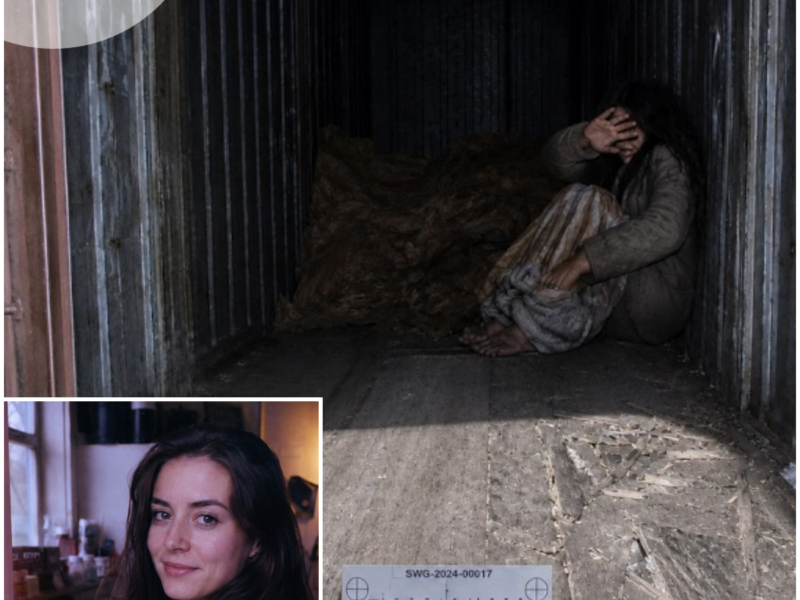
It had been collected from the deck of a commercial fishing boat called the Marie Claire on the morning of August 19th of that year.
After the water patrol unit that found the boat drifting in the inner Atchafalaya Basin had radioed in what they had discovered and the first responding deputy had climbed onto the deck and understood immediately that what he was looking at was a crime scene.
He photographed everything before touching anything. He swabbed the bottle. He photographed the print, lifted it with tape, placed it in a labeled evidence bag, and wrote in his field notes that the partial appeared to be a clean index or middle finger, right hand, with good ridge detail in the upper portion.
He had understood that a fingerprint found near the body of a man who had been killed on that deck was the kind of thing you preserved correctly even when you did not yet have anyone to match it against.
The database available in Terrebonne Parish in 1991 held the prints of people who had been through the criminal justice system in Louisiana.
The person whose print was on that bottle had not yet been through it. The match came on a Wednesday morning in April of 2023, 6 minutes after the Terrebonne Parish Cold Case Unit submitted a batch of archived prints from pre-2000 homicides to the state’s expanded identification system as part of a statewide modernization initiative.
6 minutes for a match that had not been possible in 1991 or 2001 or 2011.
6 minutes to identify a man who had walked away from Raymond Trosclair’s boat in August of 1991 and spent the next 32 years living three parishes away in Breaux Bridge.
Raymond Trosclair was 41 years old when he died. He had been fishing the coastal waters and inland basins of Terrebonne Parish since he was 19 years old.
Learning the trade from his father, the same way his father had learned it from his father.
Which was to be on the water every day that the weather allowed. And to pay careful attention to everything the water told you.
The commercial fishing communities of coastal Terrebonne Parish in 1991 were organized around the docks at Chauvin and Dulac and Cocodrie and Grand Caillou.
And the rhythms of those docks, the pre-dawn departures, the midday returns, the afternoon maintenance and preparation for the following morning structured the lives of the people who worked them in the total way that a demanding trade structures life when the work and the income and the community are all the same thing.
Raymond was known along the docks at Chauvin as a man who kept his boat meticulously.
And he was reliable in the ways that matter most in commercial fishing. He showed up when he said he would.
He maintained his equipment with the thoroughness of someone who understood that a mechanical failure at sea is more than an inconvenience.
And he knew the weather patterns and tidal movements of the Terrebonne Basin with the specific accumulated knowledge of 20 years of careful attention.
He had a gift for reading the water that other fishermen noticed and occasionally sought his opinion on.
Not because he offered it unsolicited, but because when he said something about conditions, he had usually been paying attention longer than anyone else in the conversation.
He had three children with his wife, Cecile, whom he had married at 22 in the same church where his parents had married, two daughters who were 15 and 13 in 1991, and a son, Daniel, who was eight, and who Raymond coached in baseball on Saturday mornings through the spring and early summer.
He was the kind of father who showed up for everything his children did and who remembered the names of their friends and noticed when something was bothering them.
He had an informal business partnership with a man named Glenn Arsenaux, another Chauvin fisherman who operated a secondary boat that the two of them shared costs on and split catch proceeds from.
The arrangement had worked without friction for two years and had become contentious through 1990 and into 1991 when a difficult season produced below-average catches and the question of how to distribute the reduced proceeds exposed disagreements that had not existed when the catches were better.
Neither man had put the terms of the arrangement in writing at the start, which meant that the disputes about shared expenses and profit splits had no document to appeal to and had to be resolved through argument between two men who were each certain they were right.
People along the Chauvin docks knew the two of them were not currently getting along.
Raymond had mentioned the situation to several of them in the weeks before August, describing it with the measured frustration of a man who has been treated unfairly and is still deciding what his response should be.
On the morning of August 18th, 1991, Raymond left the Chauvin docks at 5:00 on the Marie Claire.
He was alone, going out the way he went out most mornings, early before the day built its heat, when the basin was still quiet and the water had the particular quality of southern Louisiana water at dawn, which the people who work it describe as a different kind of water than the water that arrives at noon.
He had told Cecile he was going to check the crab traps in the inner basin and expected to be back by noon.
He did not come back by noon. He did not come back by evening. At 9:00 that night, Cecile called the Terrebonne Parish Sheriff’s Office because Raymond Trahan Claire came back when he said he would come back, and the absence of that was its own answer.
A water patrol unit found the Marie Claire the following morning, drifting in the inner Atchafalaya Basin about 6 miles from where Raymond had planned to work.
Raymond was on the deck. He had been killed. A beer bottle, not Raymond’s brand, not a brand that Cecile recognized as something Raymond drank, was on the deck rail near where his body lay.
Detective Harold Boudreaux of the Terrebonne Parish Sheriff’s Office was assigned to the Trahan Claire case on the morning of August 19th.
He was a South Louisiana man who had grown up 30 miles from Chauvin and understood the commercial fishing communities of coastal Terrebonne in the way of someone who had grown up adjacent to them.
Their loyalties, their financial arrangements, their codes about what you said to outsiders and what you kept among people who worked the same water.
He also understood the specific reluctance of people in a close-knit trade to say more than necessary to a detective in a dress shirt who was asking about a neighbor’s death.
And he adjusted his approach accordingly, spending more time than might have seemed necessary simply being present at the docks in the days following Raymond’s death, listening before asking.
He built his investigative picture methodically. The business dispute with Glenn Arseneaux became the focus within the first week.
It was the most recent conflict in Raymond’s life, the one most visibly known among the dock community, the one that provided an obvious motive and a person attached to it.
Boudreaux approached Arseneaux carefully, giving him room to establish his account without narrowing it prematurely.
Arseneaux was cooperative in a way that Boudreaux noted as thorough rather than spontaneous. He returned calls promptly, answered questions completely and directly, and expressed grief for Raymond’s death in terms that were specific enough to be credible.
He said he had been at his own dock in Dulac on the morning of August 18th, working on the bilge pump of the secondary boat, a task that three other fishermen confirmed had been underway when they passed the dock and had offered help that Arseneaux declined.
His alibi placed him in Dulac throughout the morning and into early afternoon with independent corroboration at multiple points.
Boudreaux pressed on the gaps and found nothing that gave way. The fingerprint on the beer bottle did not match Arseneaux.
It matched no one in the 1991 databases. The bottle was labeled, photographed, and placed in the evidence locker, where it remained for 32 years under the fluorescent lights of a climate-controlled archive, waiting for the database to grow large enough to contain the name of the man who had touched it.
The years after Raymond’s death were the years that Cecile organized around his absence in the practical way of a woman who has three children and a household and cannot afford to be anything other than functional even while being something other than whole.
She had grown up in a fishing community and understood that the water took people and that there was no negotiating with it.
But Raymond had not been taken by the water. He had been taken by a person and the difference between those two kinds of loss was the difference between grief that could eventually find a resting place and grief that could not.
Because the grief with a person attached to it always wanted the question answered and the question had no answer.
Her daughters grew up and moved away. The older one to Baton Rouge, the younger into nursing.
Her son Daniel who had been 8 years old the summer his father did not come home from checking the crab traps became a commercial fisherman himself.
He went through the same Chauvin docks worked the same inner basin waters brought in shrimp and crabs and redfish the same way his father had and was 39 years old in 2023 and had never been told whose fingerprint was on the beer bottle found on his father’s boat.
Cecile worked as a bookkeeper for a Houma area construction contractor and drove to the cemetery on the 18th of August and on Christmas mornings and on Raymond’s birthday in March.
She called the Terrebonne Parish Sheriff’s Office Cold Case Line once a year for 30 years.
The detective who took the calls was generally kind and consistently unable to offer anything new.
She called anyway. The grave received her visits and the Cold Case Line received her calls.
And for 32 years, neither one produced the answer she was driving to the cemetery to find.
Every case on this channel represents weeks of research and real records and lives that deserve a full answer.
If you want us to keep telling stories like Raymond’s, take a moment to like this video and subscribe.
Tell us in the comments where you are watching from. Now, let’s get back to that Wednesday morning in April of 2023.
The Terrebonne Parish Cold Case Unit’s submission of archived pre-2000 fingerprint evidence to Louisiana’s modernized AFIS system was a routine administrative step in the statewide evidence modernization initiative.
A project that had produced 18 matches across the state in the 3 years it had been underway.
Each one a case that had collected its biological evidence correctly and then waited for the database to grow large enough to match it.
Detective Marisol Fontenot was working through the submission queue on a Wednesday morning in April of 2023 when the result came back on the beer bottle print at 9:43.
She read the result twice. Then, she pulled the Trosclair case file from the archive.
The match was a man named Theodore Broussard whose fingerprints had entered the Louisiana AFIS database following his arrest on an aggravated assault charge in Lafayette Parish in 2018.
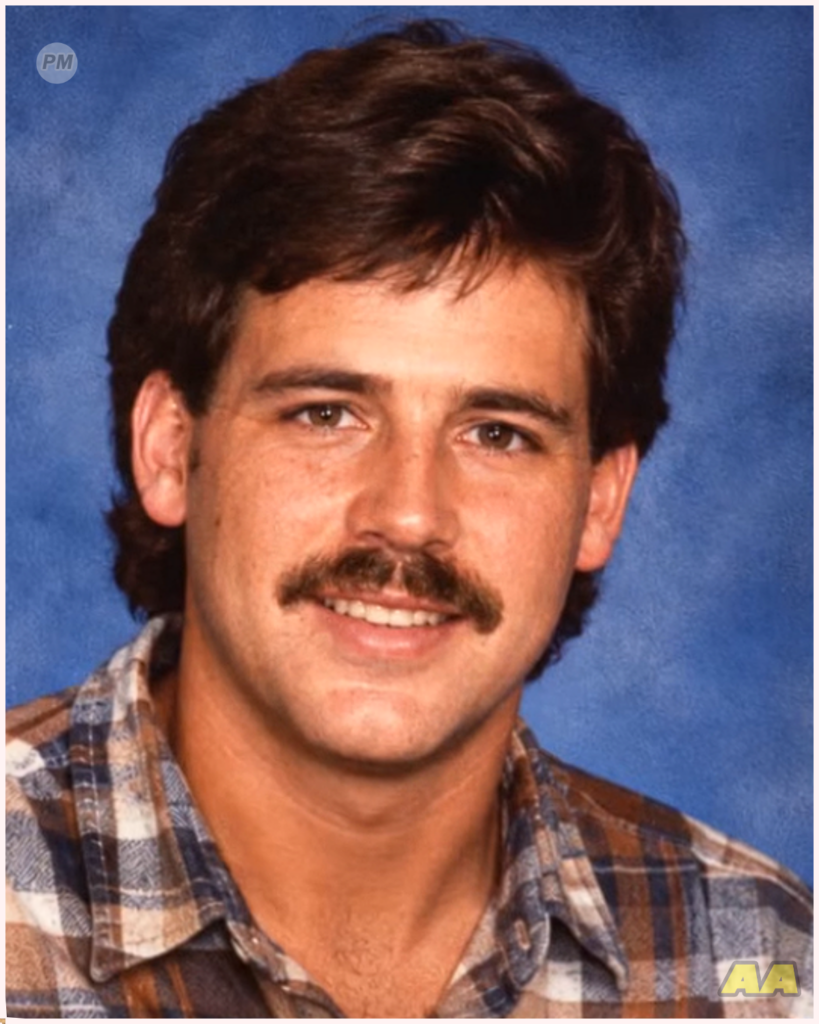
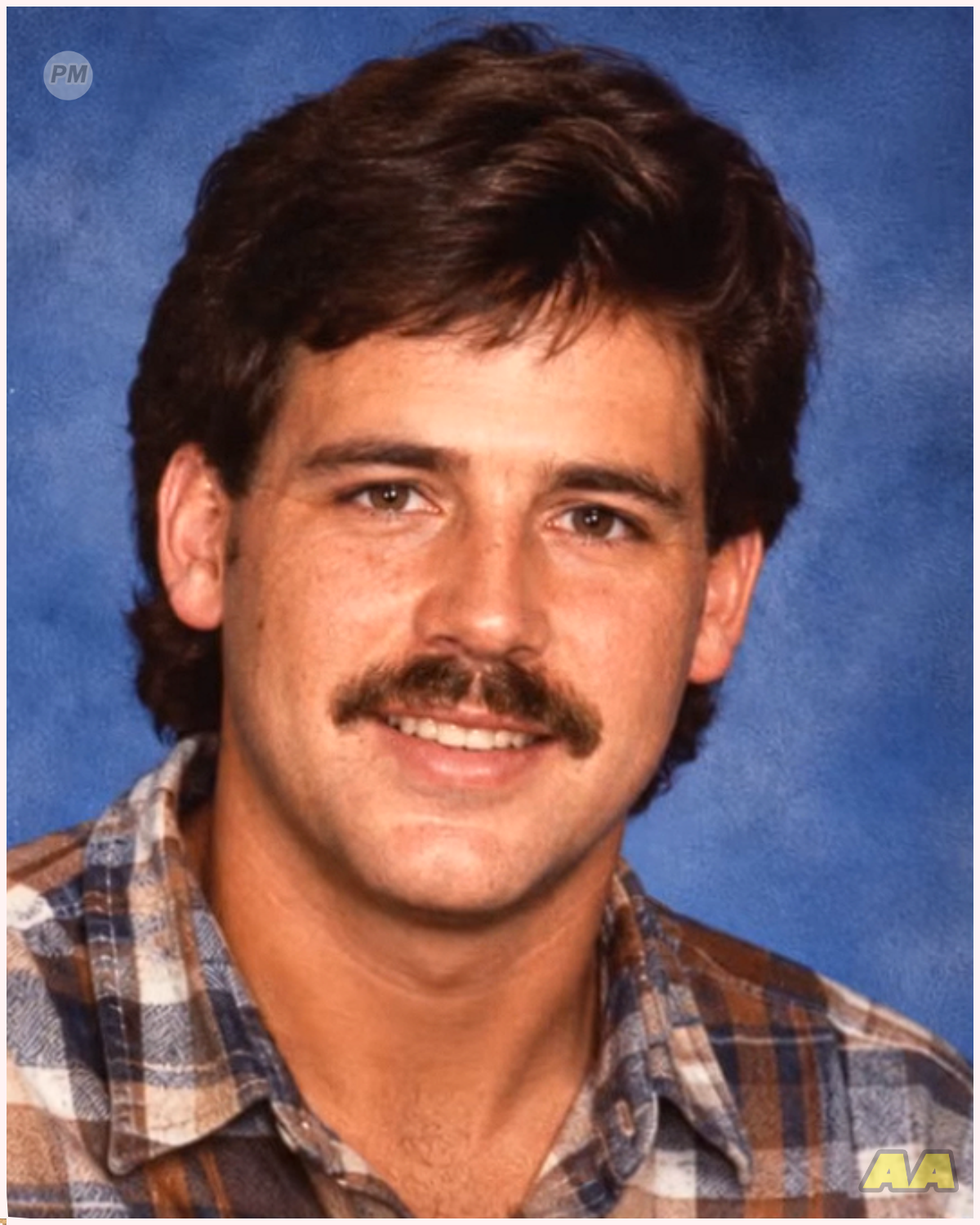
He was 61 years old and living in Breaux Bridge. In 1991, he had been 29, working the commercial fishing trade out of Dulac on a boat that docked near the secondary boat in the Trosclair Arseneaux partnership.
He had not been among the people identified during the original investigation, not because he had been overlooked, but because his name had not surfaced in the accounts given by the people Boudreaux had spoken with, and the fingerprint had not found him in 1991 because he was not yet in the database.
Fontenot spent 3 weeks building the picture of Broussard’s connection to Raymond Trosclair. She located four retired fishermen from the Dulac docks who provided accounts of Broussard’s presence in that community and of a separate financial grievance he had held against Raymond, an equipment arrangement Raymond had ended in Broussard’s view without adequate compensation.
None of them had known in 1991 that Broussard’s name was relevant. None had been asked about him.
The information had been in their memories for 32 years, available to whoever asked. Broussard was arrested at his home in Breaux Bridge in May of 2023.
He was 61 years old and had been living three parishes from Chauvin for three decades.
He entered a not guilty plea. The case is currently awaiting trial in Terrebonne Parish Superior Court.
Cecile Trosclair was told by Detective Fontenot on a morning in May. Her son Daniel was with her.
She asked one question, had this man been on Raymond’s boat before? Fontenot said the evidence was consistent with that.
Cecile said, “Raymond would have offered him a beer. That was Raymond. He offered anyone who came on his boat a beer.”
She had been making her annual August calls for 32 years. She had called the previous August and been told there was nothing new.
9 months later the answer arrived. The beer bottle had been in the locker the whole time, and the name had been in the database for 4 years, and the two had simply not yet been introduced to each other.
Cecile Trusclair was told by Detective Fontenot on a morning in May. Her son, now 40 years old and working a boat out of the same docks as his father, was with her when the call came.
Cecile listened to the full explanation, then asked one question. Had the man been near Raymond’s boat before?
Fontenot said the evidence suggested yes. Cecile said, “Raymond would have offered him a beer.
That’s what Raymond did. He would have offered anyone on his boat a beer.” Raymond Trusclair kept his boat meticulously and coached his son’s baseball team on Saturday mornings in the spring, and knew the weather and the tidal patterns of the Terrebonne Basin with 20 years of careful attention behind the knowing.
He left the Chauvin docks at 5:00 on an August morning to check his crab traps in the inner basin, and told Cecile he expected to be back by noon.
He was a man who came back when he said he would. He did not come back that day.
A beer bottle sat on the deck rail beside his body with a partial fingerprint on it that no database in 1991 was large enough to connect to a name.
The deputy who photographed it and swabbed it and placed it in an evidence bag understood what he was preserving.
He preserved it correctly and placed it in a locker, where it remained for 32 years, waiting for the world to build a database large enough to tell it what it already knew.
The bottle waited through the statewide database expansions of 1995 and 2001 and 2011. It waited through the 2018 arrest in Lafayette Parish that finally entered the right name into the right system.
It waited for a Wednesday morning in April of 2023 for a detective monitoring a submission queue for 6 minutes of computer processing.
Then, it was finished waiting. Cecile drove to the cemetery on the August 18th that followed the arrest.
She brought flowers from the garden Raymond had planted in the first year of their marriage, which she had been tending alone for 32 years without him.
She stayed for an hour and told Raymond what the detective had told her. What does it say about our evidence systems that a fingerprint correctly collected and properly preserved in 1991 required 32 years and a sequence of database expansions to find its match?
And how many other correctly gathered pieces of evidence are still sitting in correctly labeled bags and climate-controlled lockers across this country waiting for the right database, or the right technology, or the right modernization initiative to arrive and tell them what they already know?
What do we say to the deputies who collected evidence correctly in 1991 and could do nothing more with it?
And to the detectives who were right about the evidence, but wrong about which person had done it?
What is justice for a man like Raymond Trocclair who worked the same water his grandfather had worked and who left on a familiar morning to check his crab traps and was killed by someone who accepted his hospitality and drank a beer on his boat before doing what they came to do?
And what do we say to the son who works the same docks as his father and was 40 years old before anyone told him whose fingerprint was on the bottle.
Leave your thoughts in the comments. We read everyone. Justice is coming for Raymond Trask Claire after 32 years.
Stories like his are why this channel exists. If you believe that correctly preserved evidence deserves its answer no matter how long that answer takes to arrive, subscribe and more solved cases are waiting for you in the description below.
Thank you for watching.